Theme 2026: Empowering Inclusion: Bridging Gaps for Social Justice
by BEST Childcare Consulting
Social justice is not a standalone concept taught on a single day — it is a lived experience for children, shaped by how they are treated, included, listened to, and valued every day within early learning environments. The Early Years Learning Framework (EYLF v2.0) places strong emphasis on equity, inclusion, and children’s rights, recognising that early childhood settings play a critical role in shaping children’s sense of fairness, belonging, and agency.
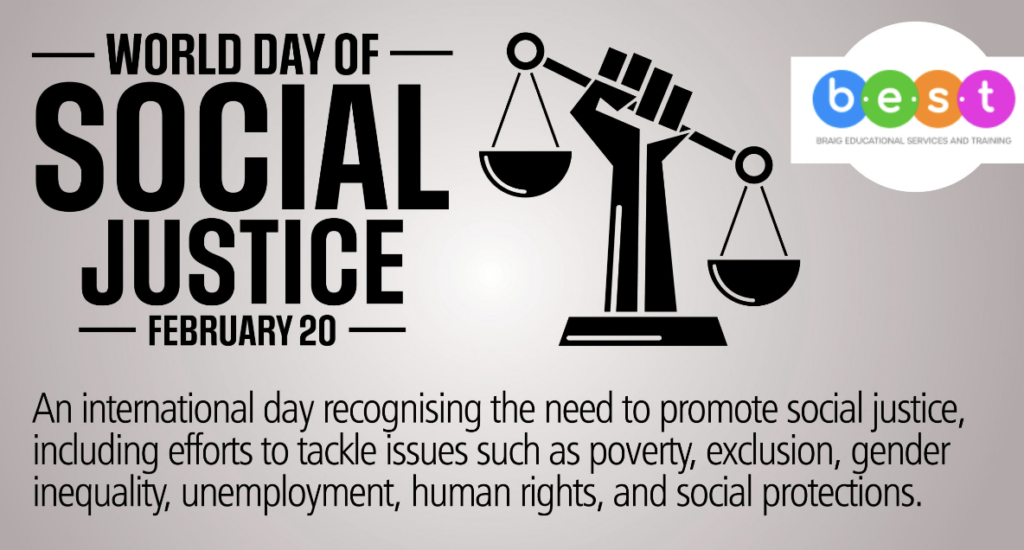
World Day of Social Justice, led by the United Nations, provides early childhood education and care services with a timely opportunity to critically reflect on practice. The 2026 theme, “Empowering Inclusion: Bridging Gaps for Social Justice,” aligns closely with Exceeding-level practice under the National Quality Standard by challenging services to move beyond symbolic activities and demonstrate how inclusion, anti-bias practice, and advocacy are intentionally embedded, thoughtfully reflected upon, and continuously strengthened.
When social justice is embedded into everyday interactions, environments, policies, and leadership decisions, children learn that fairness is not abstract — it is something they experience, practise, and contribute to. This article explores how services demonstrated Exceeding practice through World Day of Social Justice, with practical programming ideas and Quality Improvement Plan (QIP) examples across all seven Quality Areas.
Educational Programming Ideas (with links)
Belonging and Fairness in Everyday Life
Explore fairness through daily routines — whose voices are heard, how decisions are made, and how children can participate meaningfully.
- Use group discussions, voting, and shared decision-making to explore fairness
- Resource: EYLF v2.0 Practice Guide – Equity, Inclusion and Diversity
https://www.acecqa.gov.au/nqf/national-law-regulations/approved-learning-frameworks
Stories That Challenge Bias and Celebrate Diversity
Use books to open conversations about difference, fairness, and standing up for others.
- Say Hello by Rachel Isadora
- Our World, Bardi Jaawi Life at Ardiyooloon by One Arm Point Remote Community School
- All Are Welcome by Alexandra Penfold
- Book ideas and teaching notes:
https://childrenslibrary.org
Children as Active Citizens
Support children to notice unfairness and think about how they can help others.
- Create a “Kindness Wall” or “Helping Hands” project
- Encourage children to suggest ways to include others in play
- Resource: UNICEF – Children’s Rights Explained
https://www.unicef.org/child-rights-convention
Identity, Culture and Representation
Ensure children see themselves and others reflected respectfully in the environment.
- Review dolls, dramatic play resources, images, and music for diversity
- Invite families to share language, traditions, or stories
- Resource: Narragunnawali Classroom Resources
https://www.narragunnawali.org.au
Fairness Through Emotional Literacy
Teach children language for emotions, empathy, and advocacy.
- Support children to express when something feels unfair
- Model respectful conflict resolution
- Resource: Be You – Mental Health & Inclusion
https://beyou.edu.au
Quality Improvement Plan (QIP) Write-Ups
QA1 – Educational Program and Practice
Embedded Practice:
Educators consistently embedded social justice concepts into the program through intentional teaching, inclusive resources, and child-led discussions about fairness, belonging, and participation.
Critical Reflection:
The team regularly reflected on whose perspectives were represented within the program and adjusted planning to ensure diverse identities, cultures, and abilities were meaningfully included rather than tokenistic.
Meaningful Engagement:
Children actively engaged in conversations about fairness and inclusion, contributing ideas and demonstrating empathy through their play, relationships, and decision-making.
QA2 – Children’s Health and Safety
Embedded Practice:
The service promoted emotional safety by creating environments where children felt secure to express concerns, emotions, and experiences of unfairness.
Critical Reflection:
Educators reflected on power dynamics within routines and interactions, adjusting practices to ensure all children experienced dignity, respect, and protection.
Meaningful Engagement:
Children were supported to develop self-advocacy skills and to seek help from trusted adults, strengthening their sense of agency and wellbeing.
QA3 – Physical Environment
Embedded Practice:
The environment consistently reflected inclusive imagery, culturally diverse resources, and accessible spaces that supported participation for all children.
Critical Reflection:
Educators evaluated the environment through an equity lens, identifying and addressing barriers that may limit access, comfort, or inclusion.
Meaningful Engagement:
Children interacted confidently with environments that affirmed identity, difference, and belonging, fostering curiosity and respect for others.
QA4 – Staffing Arrangements
Embedded Practice:
Educators worked collaboratively to model respectful relationships, inclusive language, and shared responsibility for social justice principles.
Critical Reflection:
The team reflected on unconscious bias, communication styles, and equity in practice through professional discussions and ongoing learning.
Meaningful Engagement:
Strong, respectful relationships among educators positively influenced children’s understanding of fairness, cooperation, and advocacy.
QA5 – Relationships with Children
Embedded Practice:
Educators consistently demonstrated empathy, respect, and responsiveness, supporting children to feel valued and heard.
Critical Reflection:
Interactions were reviewed to ensure consistency, fairness, and responsiveness to individual children’s strengths, needs, and backgrounds.
Meaningful Engagement:
Children formed trusting relationships and confidently engaged in peer interactions that reflected empathy, inclusion, and mutual respect.
QA6 – Collaborative Partnerships with Families and Communities
Embedded Practice:
Families were actively engaged as partners, with their cultures, values, and voices informing inclusive practice.
Critical Reflection:
The service reflected on whose voices were being heard and sought additional strategies to strengthen engagement with diverse family groups.
Meaningful Engagement:
Families reported a strong sense of belonging and trust, contributing to a shared commitment to equity and social justice.
QA7 – Governance and Leadership
Embedded Practice:
Service leadership embedded social justice principles within policies, procedures, and the Quality Improvement Plan.
Critical Reflection:
Leaders critically reflected on governance practices to ensure equity, transparency, and inclusive decision-making across the service.
Meaningful Engagement:
Educators were empowered through leadership support to advocate for inclusive practices and continuous improvement.
Links and Resources
- United Nations – World Day of Social Justice
https://www.un.org/en/observances/social-justice-day - EYLF v2.0 & Practice Guides
https://www.acecqa.gov.au - Be You – Inclusion & Mental Health
https://beyou.edu.au - UNICEF – Children’s Rights
https://www.unicef.org - Narragunnawali – Reconciliation in Education
https://www.narragunnawali.org.au
BEST Childcare Consulting
At BEST Childcare Consulting, we support services to move beyond compliance and embed social justice as everyday practice — reflected in programming, relationships, leadership, and governance. When inclusion and equity are truly lived values, they are visible to children, families, educators, and assessors alike.
As always, use these inspirations to lead your service throughout the whole year in your everyday practices to truly earn an Exceeding rating.
Contact us TODAY.