By BEST Childcare Consulting
The ocean is one of Earth’s greatest gifts to humanity — it gives us oxygen, regulates our climate, feeds communities, and connects life across the planet. For young children, water is often their first source of wonder: the sound of waves, the feel of rain, the mystery of creatures beneath the surface. These early moments of curiosity lay the foundation for lifelong respect and care for our natural world.
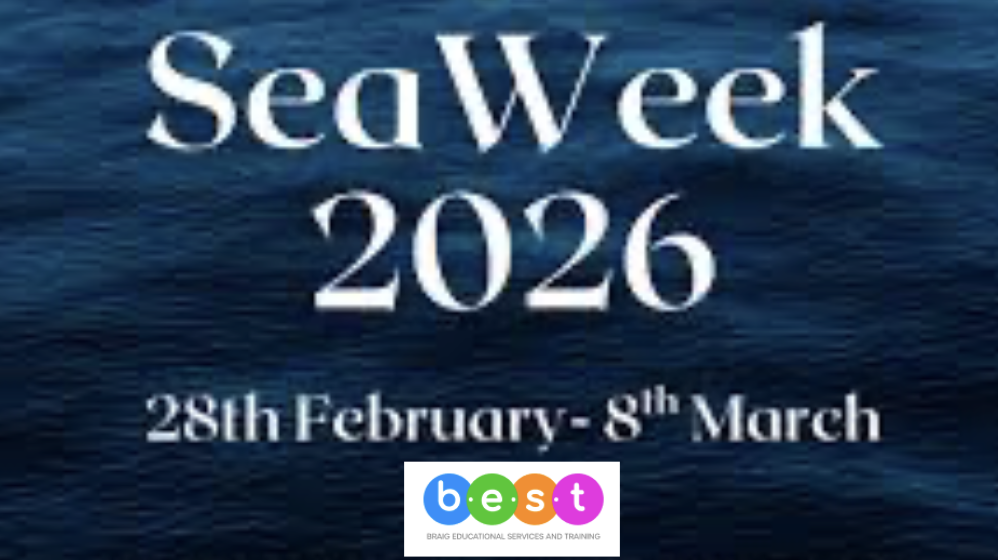
Sea Week Australia 2026 invites early childhood education and care services to slow down, look deeper, and help children understand their relationship with Planet Water. Under the theme “Caring for Planet Water”, Sea Week is not about teaching children facts alone — it is about nurturing empathy, responsibility, and connection. It is about helping children recognise that even small actions, taken every day, can protect the oceans that sustain all life.
When Sea Week is embedded thoughtfully into everyday practice — through play, inquiry, relationships, and sustainable routines — it becomes far more than a calendar event. It becomes a living example of Exceeding practice: intentional teaching, strong environmental stewardship, and children empowered as capable, caring global citizens.
Educational Programming Ideas (with links)
Planet Water: Why the Ocean Matters
Explore how oceans regulate climate, produce oxygen, and support life through age-appropriate discussions, globes, maps, and visual resources.
Link learning to rain, rivers, drinking water, and children’s everyday experiences.
Sea Week official resources: https://www.ausmarinescience.com/seawweek
CSIRO Oceans (children’s learning): https://www.csiro.au/en/research/environmental-impacts/oceans
Marine Life Inquiry Projects
Investigate Australian marine animals (whales, turtles, reef fish, seahorses).
Use books, small-world play, loose parts, and art to represent marine habitats.
Australian Marine Conservation Society – Ocean Education: https://www.marineconservation.org.au
Great Barrier Reef Marine Park Authority – Kids resources: https://www.gbrmpa.gov.au/learn/learning-resources
Caring for Seas Through Sustainable Practice
Connect plastic use, rubbish, and water pollution to ocean health.
Introduce waste audits, reusable containers, and water-saving routines.
Clean Up Australia – Education resources: https://www.cleanup.org.au/schools
Planet Ark – Sustainability for early learning: https://planetark.org
Creative Expression: Oceans Through Art & Music
Use blues, greens, recycled materials, shells, and textures to create ocean artworks.
Explore ocean sounds, movement, and music to represent waves and marine animals.
ABC Education – Sustainability & arts: https://education.abc.net.au
Community & Family Partnerships
Invite families to share coastal experiences, fishing stories, or cultural connections to sea Country.
Partner with local councils, coastal groups, or libraries for displays and excursions.
National Library of Australia – Children & environment: https://www.nla.gov.au
Quality Improvement Plan (QIP) Write-Ups
QA1 – Educational Program and Practice
Exceeding Theme 1: Embedded Practice
Educators consistently embedded ocean sustainability concepts into the program throughout Sea Week and beyond, linking children’s interests to water, weather, animals, and environmental care.
Exceeding Theme 2: Critical Reflection
The team critically reflected on how sustainability concepts were introduced, adjusting teaching strategies to ensure learning remained play-based, meaningful, and developmentally appropriate.
Exceeding Theme 3: Meaningful Engagement
Children actively contributed ideas, questions, and theories about oceans and water, guiding the direction of inquiry projects and shared learning experiences.
QA2 – Children’s Health and Safety
Exceeding Theme 1: Embedded Practice
Healthy environments were promoted through water conservation practices, sun safety discussions linked to beach environments, and hygiene routines connected to caring for shared resources.
Exceeding Theme 2: Critical Reflection
Educators reflected on how environmental health links to human wellbeing, ensuring children understood safety, care, and responsibility in age-appropriate ways.
Exceeding Theme 3: Meaningful Engagement
Children participated in practical actions such as conserving water and reducing waste, building a strong sense of agency and responsibility.
QA3 – Physical Environment
Exceeding Theme 1: Embedded Practice
Indoor and outdoor environments were intentionally adapted to reflect ocean learning through natural materials, recycled resources, and water-focused play spaces.
Exceeding Theme 2: Critical Reflection
Educators reflected on how environments could promote sustainability daily, not only during Sea Week, and adjusted layouts and resources accordingly.
Exceeding Theme 3: Meaningful Engagement
Children collaborated in creating ocean-themed learning spaces, demonstrating ownership and respect for their environment.
QA4 – Staffing Arrangements
Exceeding Theme 1: Embedded Practice
Educators worked collaboratively, sharing knowledge and strengths to ensure consistent sustainability messaging across the service.
Exceeding Theme 2: Critical Reflection
The team reflected on professional learning needs related to sustainability education and environmental responsibility.
Exceeding Theme 3: Meaningful Engagement
Educators engaged in reflective discussions together, strengthening shared philosophy and practice around environmental education.
QA5 – Relationships with Children
Exceeding Theme 1: Embedded Practice
Respectful, responsive relationships supported children to express ideas, concerns, and emotions about caring for oceans and living things.
Exceeding Theme 2: Critical Reflection
Educators reflected on how conversations about environmental responsibility can empower rather than overwhelm young children.
Exceeding Theme 3: Meaningful Engagement
Children felt confident sharing their thoughts and solutions, demonstrating empathy and care for marine life.
QA6 – Collaborative Partnerships with Families and Communities
Exceeding Theme 1: Embedded Practice
Families were actively involved in Sea Week learning through shared stories, resources, and sustainable practices at home.
Exceeding Theme 2: Critical Reflection
The service reflected on how family knowledge and cultural connections to water enriched children’s understanding.
Exceeding Theme 3: Meaningful Engagement
Strong partnerships supported shared responsibility for sustainability learning between home and service.
QA7 – Governance and Leadership
Exceeding Theme 1: Embedded Practice
Sustainability and environmental responsibility were clearly embedded within the service philosophy, policies, and planning.
Exceeding Theme 2: Critical Reflection
Leaders reflected on how national campaigns like SeaWeek could strengthen long-term quality improvement and educational vision.
Exceeding Theme 3: Meaningful Engagement
Leadership supported educators with time, resources, and encouragement to deepen sustainability practice across the service.
Links & Resources
Sea Week Australia: https://www.ausmarinescience.com/seawweek
Australian Marine Conservation Society: https://www.marineconservation.org.au
Great Barrier Reef Marine Park Authority (Kids): https://www.gbrmpa.gov.au/learn/learning-resources
CSIRO Oceans: https://www.csiro.au
Clean Up Australia (Schools): https://www.cleanup.org.au/schools
Planet Ark: https://planetark.org
ABC Education – Sustainability: https://education.abc.net.au
BEST Childcare Consulting
At BEST Childcare Consulting, we support services to move beyond calendar events and embed meaningful, evidence-based practice that assessors can clearly see, hear, and feel. National campaigns like Sea Week Australia provide powerful opportunities to demonstrate sustainability, intentional teaching, and children as capable contributors to a better future.
As always, use these inspirations to lead your service throughout the whole year in your everyday practices to truly earn an Exceeding rating.
Contact us TODAY.