
By BEST Childcare Consultancy
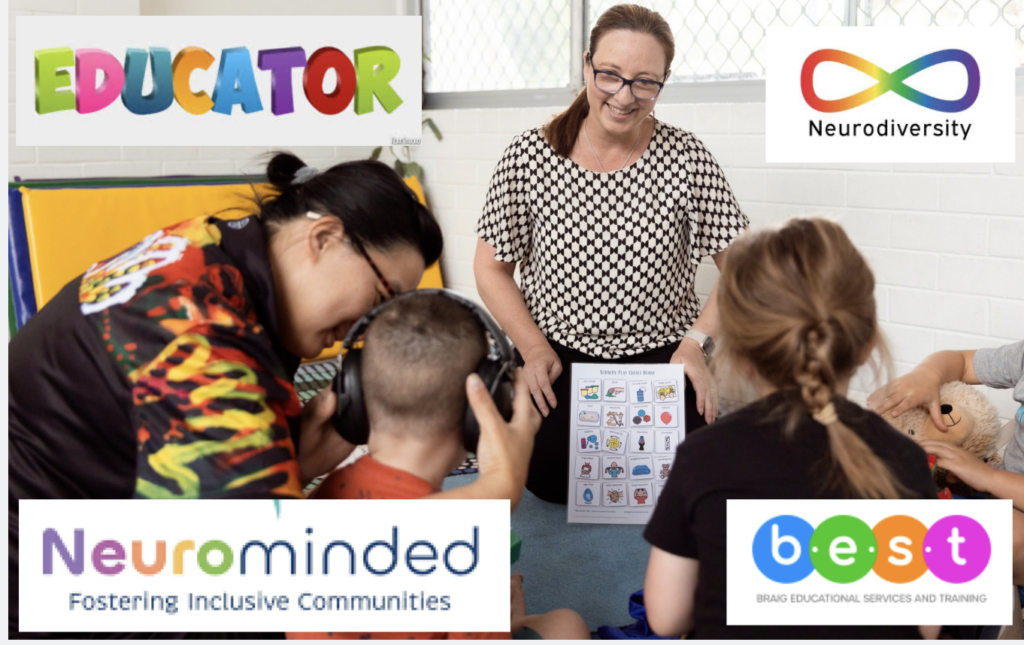
Recently, I had the opportunity to spend time with the team at Neurominded, and it was a genuinely meaningful experience. Their depth of knowledge, combined with the way they centre respect, understanding, and practical support for neurodiverse individuals, offered valuable insight into how we can do better as a sector. It prompted reflection not just on how we support children, but on how we show up for one another as educators.
Creating truly inclusive early childhood environments means recognising that educators themselves are neurodiverse, and that this diversity strengthens our teams. A neurodiversity-affirming approach invites us to move beyond one-size-fits-all expectations and instead build workplaces that are flexible, supportive, and grounded in genuine understanding. When educators feel seen, valued, and supported to work in ways that align with their strengths, this has a profound impact—not only on their own wellbeing, but on the quality of care, connection, and learning we provide for children.
Understanding Neurodiverse Educators
Neurodiversity invites us to genuinely value the different ways educators think, feel, communicate, and experience the world. It recognises that autism, ADHD, and other neurological differences are not deficits, but part of the rich diversity that strengthens our teams. When we truly embrace this perspective, we move away from expecting educators to fit into rigid systems, and instead create workplaces that adapt to people. This means offering clarity, predictability, and flexibility, while recognising and celebrating individual strengths—whether that be deep focus, creativity, honesty, or unique ways of problem-solving. At its heart, supporting neurodiverse educators is about creating environments where people feel safe to be themselves, where they are understood rather than judged, and where they can contribute in ways that feel authentic. When educators feel valued and supported, this flows directly into the relationships they build with children, creating more compassionate, inclusive, and responsive learning environments for all.
How do we keep things fair when not everyone needs the same thing?
It’s a fair question—but it rests on a common misconception that fairness means treating everyone the same. In practice, fairness in early childhood settings is about ensuring that every educator has what they need to participate, contribute, and succeed. Neurodiversity-affirming supports don’t give some educators an advantage; they remove barriers that may otherwise limit someone’s ability to work effectively.
When you introduce supports such as clear systems, visual tools, flexible communication, and predictable routines, you are not creating a “special arrangement” for one person—you are improving the environment for everyone. Most educators benefit from greater clarity, reduced overwhelm, and more supportive workplaces. What may begin as an adjustment for one educator often becomes a more efficient, inclusive way of working for the whole team.
Making this fair comes down to transparency and a shared understanding that different people need different supports at different times. Strong leadership fosters a culture where this is normalised—where asking for support is safe, strengths are recognised, and flexibility is seen as a collective benefit rather than an individual exception. In this way, fairness is not about sameness, but about creating conditions where every educator can do their best work—and where the whole team, and ultimately the children, benefit as a result.
Educational Programming Ideas
1. Universal Design for Learning (UDL) for staff systems
Design systems so all educators can access information in different ways (visual, written, verbal), reducing cognitive load and supporting diverse processing styles. This ensures expectations are clear, consistent, and inclusive.
https://neurominded.com.au/our-services/
2. Visual supports for planning and routines
Provide visual schedules, checklists, and step-by-step task guides to support organisation, memory, and task completion. These tools reduce overwhelm and support executive functioning for all educators.
https://neurominded.com.au/resources/
3. Sensory-responsive staff environments
Create staff spaces that reduce sensory overload by considering lighting, noise, and visual clutter. Providing quiet areas and flexible workspaces supports regulation, focus, and wellbeing.
https://neurominded.com.au/our-services/
4. Strength-based role allocation
Recognise and intentionally use each educator’s strengths (e.g. attention to detail, creativity, routine-building, relationship skills) when assigning responsibilities. This promotes confidence, competence, and job satisfaction.
https://neurominded.com.au/
5. Coaching and mentoring models
Provide ongoing, on-the-floor coaching and reflective mentoring to support educators to embed inclusive practices into their daily work. This ensures strategies move beyond theory into consistent practice.
https://neurominded.com.au/our-services/
QIP Write-Up
QA1 – Educational Program and Practice
Embedded:
The service embedded inclusive planning systems by implementing flexible documentation formats, visual supports, and clear processes that enabled all educators to engage meaningfully in programming. These approaches supported consistency while recognising diverse cognitive and communication styles.
Critical Reflection:
Critical reflection identified that traditional documentation and planning expectations created barriers for some educators, impacting confidence and participation. Adjustments were made to simplify systems and improve accessibility.
Engagement:
Educators actively contributed to the co-design of programming systems, ensuring that practices reflected diverse needs and promoted ownership, consistency, and sustainability across the service.
QA2 – Children’s Health and Safety
Embedded:
The service embedded sensory-aware practices that supported both educator wellbeing and their capacity to respond effectively to children’s needs. This contributed to safer, calmer environments and improved co-regulation.
Critical Reflection:
Reflection identified that sensory overload and cognitive fatigue in educators could impact supervision and responsiveness. Strategies were implemented to proactively support regulation and maintain high-quality care.
Engagement:
Educators contributed insights into their own sensory and regulation needs, informing practical adjustments that enhanced both staff wellbeing and child safety outcomes.
QA3 – Physical Environment
Embedded:
The physical environment was adapted to include low-stimulation areas, flexible workspaces, and clearly organised resources to support accessibility for all educators. These changes promoted focus, organisation, and reduced overwhelm.
Critical Reflection:
Environmental audits identified areas that were visually cluttered or overstimulating, impacting educator capacity to engage effectively. Adjustments were prioritised to create more inclusive and functional spaces.
Engagement:
Educators were actively involved in reviewing and redesigning environments, ensuring that changes were practical, meaningful, and responsive to diverse needs.
QA4 – Staffing Arrangements
Embedded:
Inclusive staffing practices were embedded through flexible role allocation, mentoring systems, and supportive rostering that recognised individual strengths and needs. This supported equitable participation and professional growth.
Critical Reflection:
The service reflected on staff wellbeing data and recognised that traditional staffing expectations did not support all educators equally. Adjustments were made to improve inclusion and retention.
Engagement:
Ongoing consultation with educators ensured that staffing arrangements remained responsive, fair, and aligned with individual capabilities and preferences.
QA5 – Relationships with Children
Embedded:
Supporting neurodiverse educators enabled the development of authentic, attuned relationships with children, grounded in empathy, understanding, and shared experiences. This strengthened children’s sense of belonging.
Critical Reflection:
The service reflected on how educator wellbeing and confidence directly influenced relational practice and responsiveness to children.
Engagement:
Educators engaged in reflective discussions about how their own neurodiversity informed their interactions, contributing to more inclusive and responsive practices.
QA6 – Collaborative Partnerships with Families
Embedded:
Educators utilised clear, accessible communication strategies that supported effective partnerships with families, including multiple formats for information sharing.
Critical Reflection:
Reflection identified that communication methods were not always inclusive or accessible for all educators or families. Adjustments were made to improve clarity and consistency.
Engagement:
Families were invited to provide feedback on communication approaches, strengthening trust and ensuring inclusive engagement practices.
QA7 – Governance and Leadership
Embedded:
Leadership embedded a neurodiversity-affirming culture through policies, ongoing professional learning, and coaching models that supported inclusive practice.
Critical Reflection:
Leaders critically reflected on existing professional development approaches and identified gaps in knowledge related to neurodiversity and inclusion.
Engagement:
Partnerships with external organisations such as Neurominded supported continuous improvement, ensuring practice remained aligned with current research and sector expectations.
Useful links
1. Neurominded Resource Hub
https://neurominded.com.au/resources
What it teaches:
This resource hub offers downloadable tools designed to build educator confidence and capability in inclusive practice. Resources include behaviour observation tools (e.g. ABC STAR), inclusion planners, visual supports, and social skills tracking templates.
In practice, educators learn how to:
- Understand behaviour as communication
- Plan proactive, child-centred supports
- Use visual strategies to increase participation
- Create inclusive environments where all children can thrive
While not a formal course, these resources function as hands-on professional learning, directly applicable to everyday practice.
2. Autism Essentials (Reframing Autism)
What it teaches:
A free, self-paced online course that provides a neurodiversity-affirming understanding of autism, grounded in lived experience.
Educators will learn:
- What autism is from a strengths-based perspective
- Communication and social differences
- How autistic people think and process information
- Respectful, affirming language and approaches
This course is particularly powerful for shifting mindset—not just practice.
3. Emerging Minds – Free Online Training
https://emergingminds.com.au/training/online-training
What it teaches:
A suite of free courses focused on child development, mental health, and wellbeing for professionals working with children aged 0–12.
Educators will learn:
- How to support children’s emotional wellbeing
- Trauma-informed and responsive practice
- Working collaboratively with families
- Early intervention strategies
4. Positive Partnerships (Autism Training)
https://www.positivepartnerships.com.au
What it teaches:
Nationally recognised free autism training for educators and families, focused on evidence-based inclusive practice. (Also linked through Neurominded resources).
Educators will learn:
- Practical strategies for supporting autistic children
- Behaviour support approaches
- Communication and engagement strategies
- Building partnerships with families
5. Free Webcasts & Community Learning (Neurominded collaborations)
https://childaustralia.org.au/professional-development/free-tips-resources/webcasts-and-webinars
What it teaches:
Neurominded collaborates on free webcasts and community sessions that focus on real-world, practical strategies for inclusion.
Educators will learn:
- Creating calm and regulated environments
- Supporting neurodiverse children in group settings
- Building connection and confidence in practice
6. Thriving Kids Advisory Group Final Report (Australian Government)
https://www.health.gov.au/resources/publications/thriving-kids-advisory-group-final-report
What it teaches:
This national report outlines a reformed approach to supporting children aged 0–8 with developmental differences, including autism, by prioritising early, accessible, and needs-based supports within everyday settings such as early childhood education.
Educators will learn:
- The importance of not waiting for a diagnosis to provide support
- How to focus on children’s functional needs and strengths
- The role of early childhood services in early intervention and inclusion
- The importance of family-centred, coordinated approaches
This report reinforces best practice in ECEC—shifting from reactive, diagnosis-driven models toward proactive, inclusive environments where all children are supported to participate, belong, and thrive.
BEST Childcare Consultancy
At BEST, we believe that truly inclusive services begin with how we support one another. When educators feel safe, understood, and valued for who they are, they are able to bring their whole selves into their work—and that is where the magic happens. Embracing neurodiversity within your team is not just about adjustments or strategies; it is about building a culture of respect, curiosity, and genuine care. It is about noticing strengths, listening deeply, and creating environments where every educator can thrive, not just cope.
When we invest in our educators in this way, we see the ripple effect—stronger relationships, more responsive practice, and environments where children experience true belonging. Inclusion is not something we “add on”; it is something we live, every day, in the way we communicate, collaborate, and lead.
At BEST, we are here to support you on that journey—walking alongside your team to embed meaningful, sustainable change that makes a real difference.
As always, use these inspirations to lead your service throughout the whole year in your everyday practices to truly earn an exceeding rating.
Contact us TODAY.