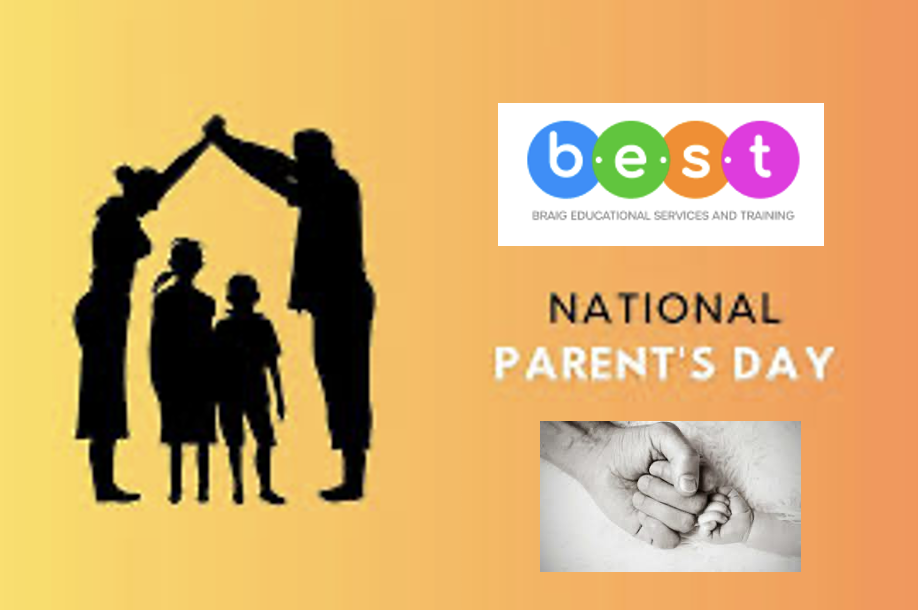
Perfect for Parents’ Day (26 July 2026) & National Stepfamily Awareness Day (25 July 2026)
By BEST Childcare Consulting
Families are at the heart of children’s learning, development and wellbeing. Every child arrives at our service with a unique family story, shaped by the people who love, support and care for them. These significant relationships help children develop a sense of identity, security, belonging and confidence.
Parents’ Day on 26 July provides an opportunity to recognise and celebrate the extraordinary contribution parents and caregivers make every day. It acknowledges the commitment, advocacy, encouragement and love that families provide as they support children to grow, learn and thrive.
National Stepfamily Awareness Day on 25 July reminds us that families come in many different forms. Across Australia, children may belong to blended families, stepfamilies, kinship care arrangements, foster families, single-parent families, multi-generational households and many other family structures. Each family brings unique strengths, experiences and perspectives that enrich our communities.
For early childhood services, these events provide a valuable opportunity to celebrate diversity, strengthen partnerships with families and help children understand that there is no single way to be a family. By embracing family diversity and promoting belonging, services strengthen outcomes across the Early Years Learning Framework (EYLF) and National Quality Standard (NQS).
What is Parents’ Day?
Parents’ Day recognises the important role parents and caregivers play in nurturing, supporting and advocating for children. It celebrates the dedication shown by families every day and highlights the importance of strong partnerships between home and educational settings.
When educators work collaboratively with families, children experience greater consistency, stronger relationships and improved learning and wellbeing outcomes.
What is National Stepfamily Awareness Day?
National Stepfamily Awareness Day promotes awareness and understanding of the experiences of blended and stepfamilies. It encourages communities to recognise that families may be formed in many different ways and that every family deserves respect, inclusion and support.
For young children, understanding family diversity helps build empathy, acceptance and a strong sense of belonging. It also ensures children see their own family represented positively within the learning environment.
Educational Programming Ideas
Family Diversity Photo Gallery
Invite families to contribute photographs showing the important people in their child’s life. Create a family gallery wall that celebrates the diversity of your service community.
Encourage children to share stories about:
- Who lives in their home
- Important family members
- Family traditions
- Special celebrations
- People who help care for them
Resource:
https://raisingchildren.net.au/family-life
My Family, My Story Book
Create individual family books where children draw and describe the people who are important to them.
These may include:
- Parents
- Stepparents
- Grandparents
- Siblings
- Foster carers
- Kinship carers
- Extended family
- Family friends
- Pets
Children can revisit their books throughout the year to strengthen identity and belonging.
Resource:
https://www.acecqa.gov.au/nqf/national-approved-learning-frameworks
Family Circles Instead of Family Trees
Traditional family trees do not always reflect the complexity of modern families.
Invite children to create:
- Family circles
- Family houses
- Family gardens
- Relationship webs
This allows every child to represent the people who matter most to them.
Resource:
https://aifs.gov.au
Thank You Families Project
Support children to create:
- Appreciation cards
- Paintings
- Collaborative murals
- Handmade gifts
- Video messages
Children can share what they love and appreciate about the people who care for them.
Family Traditions Investigation
Invite families to share:
- Favourite meals
- Cultural celebrations
- Bedtime routines
- Weekend activities
- Family traditions
Educators can compare similarities and differences while reinforcing respect for diversity.
Resource:
https://raisingchildren.net.au
Family Helpers Dramatic Play Area
Create dramatic play experiences that reflect family life.
Include:
- Cooking and meal preparation
- Caring for babies
- Family celebrations
- Household routines
- Family outings
Ensure dolls, books and resources represent diverse families.
People Who Care For Me Activity
Invite children to identify trusted adults who support them.
This may include:
- Mum
- Dad
- Stepmum
- Stepdad
- Grandparents
- Aunties and uncles
- Foster carers
- Educators
This activity supports belonging, relationships and protective behaviours.
Resource:
https://www.protectivebehaviourswa.org.au
Family Picnic or Afternoon Tea
Host a family event that brings children, educators and families together.
Ideas include:
- Family picnic
- Community afternoon tea
- Family art project
- Gratitude tree
- Storytelling session
- Family games afternoon
These experiences strengthen connections and build community.
QIP write up
Quality Area 1 – Educational Program and Practice
Embedded Practice
Educators intentionally embedded learning experiences that explored family diversity, identity, belonging and relationships throughout the curriculum. Children’s family stories, experiences and contributions informed planning and documentation.
Critical Reflection
The team critically reflected on whether learning environments, resources and experiences represented the diverse family structures within the service community. Educators considered how bias and assumptions about families could influence practice.
Meaningful Engagement with Families and Community
Families contributed photographs, stories, traditions and cultural perspectives that enriched the educational program. These contributions strengthened authentic connections between home and the service.
Quality Area 2 – Children’s Health and Safety
Embedded Practice
Educators promoted children’s emotional wellbeing by fostering secure relationships, inclusion and belonging. Discussions about trusted adults supported children’s understanding of safety, support networks and protective behaviours.
Critical Reflection
The team reflected on how family circumstances and transitions may impact children’s wellbeing and behaviour. Educators reviewed strategies to ensure all children felt emotionally safe, valued and supported.
Meaningful Engagement with Families and Community
Families shared information about significant relationships and support networks, enabling educators to provide responsive and individualised care for children.
Quality Area 3 – Physical Environment
Embedded Practice
Family photographs, books, displays and cultural contributions were embedded throughout the environment. Learning spaces reflected the identities, cultures and family structures represented within the service.
Critical Reflection
Educators reviewed resources and displays to ensure family diversity was authentically represented and that environments promoted inclusion and belonging for every child.
Meaningful Engagement with Families and Community
Families contributed photographs, artefacts and stories that strengthened connections between home and the learning environment and enhanced children’s sense of belonging.
Quality Area 4 – Staffing Arrangements
Embedded Practice
Educators consistently demonstrated respectful and inclusive language when discussing families and relationships. Team members promoted positive interactions that recognised and valued diversity.
Critical Reflection
The team reflected on personal assumptions and unconscious bias regarding family structures and considered how these may influence communication and decision-making.
Meaningful Engagement with Families and Community
Educators worked collaboratively with families to understand their unique circumstances and ensure respectful, responsive communication practices were maintained.
Quality Area 5 – Relationships with Children
Embedded Practice
Children were supported to develop a positive sense of identity through opportunities to share their family stories, experiences and relationships. Educators celebrated each child’s unique family context.
Critical Reflection
The team reflected on how children discussed family differences and considered strategies to promote empathy, inclusion and respectful relationships.
Meaningful Engagement with Families and Community
Family input helped educators better understand children’s experiences, strengthening relationships and supporting responsive interactions with children.
Quality Area 6 – Collaborative Partnerships with Families and Communities
Embedded Practice
Strong partnerships with families were embedded through ongoing communication, consultation and collaboration. Families were recognised as children’s first and most influential teachers.
Critical Reflection
The service reflected on how effectively all family types were welcomed, included and represented within service practices. Opportunities to strengthen engagement with diverse family groups were identified and implemented.
Meaningful Engagement with Families and Community
Parents, carers, grandparents and extended family members actively participated in learning experiences, events and decision-making processes, strengthening the service community.
Quality Area 7 – Governance and Leadership
Embedded Practice
Leadership fostered an inclusive culture that celebrated family diversity and prioritised respectful partnerships with families. Policies, procedures and practices reflected the values of equity, inclusion and belonging.
Critical Reflection
Leaders reviewed enrolment processes, communication systems and service practices to ensure they respected and represented contemporary family structures.
Meaningful Engagement with Families and Community
Family feedback informed continuous improvement processes and service decision-making. Leadership actively sought diverse family perspectives to strengthen service quality and inclusion.
Links and Resources
Family Diversity and Family Relationships
Raising Children Network
https://raisingchildren.net.au/family-life
Australian Institute of Family Studies
https://aifs.gov.au
Relationships Australia
https://www.relationships.org.au
Early Childhood Education
ACECQA – Approved Learning Frameworks
https://www.acecqa.gov.au/nqf/national-approved-learning-frameworks
Early Childhood Australia
https://www.earlychildhoodaustralia.org.au
Children’s Wellbeing
Be You
https://beyou.edu.au
Protective Behaviours WA
https://www.protectivebehaviourswa.org.au
Emerging Minds
https://emergingminds.com.au
BEST Childcare Consulting
Every child deserves to feel proud of their family and confident that the important people in their life are valued and respected. By celebrating Parents’ Day and National Stepfamily Awareness Day, services can strengthen children’s sense of belonging, build stronger family partnerships and promote a culture of inclusion that reflects the diversity of modern Australia.
When children learn that families come in many different forms, they develop empathy, respect and appreciation for the unique experiences of others. These are powerful foundations for lifelong learning, positive relationships and strong communities.
As always, use these inspirations to lead your service throughout the whole year in your everyday practices to truly earn an Exceeding rating.
Contact us TODAY.