
Tag Archives: Transitions

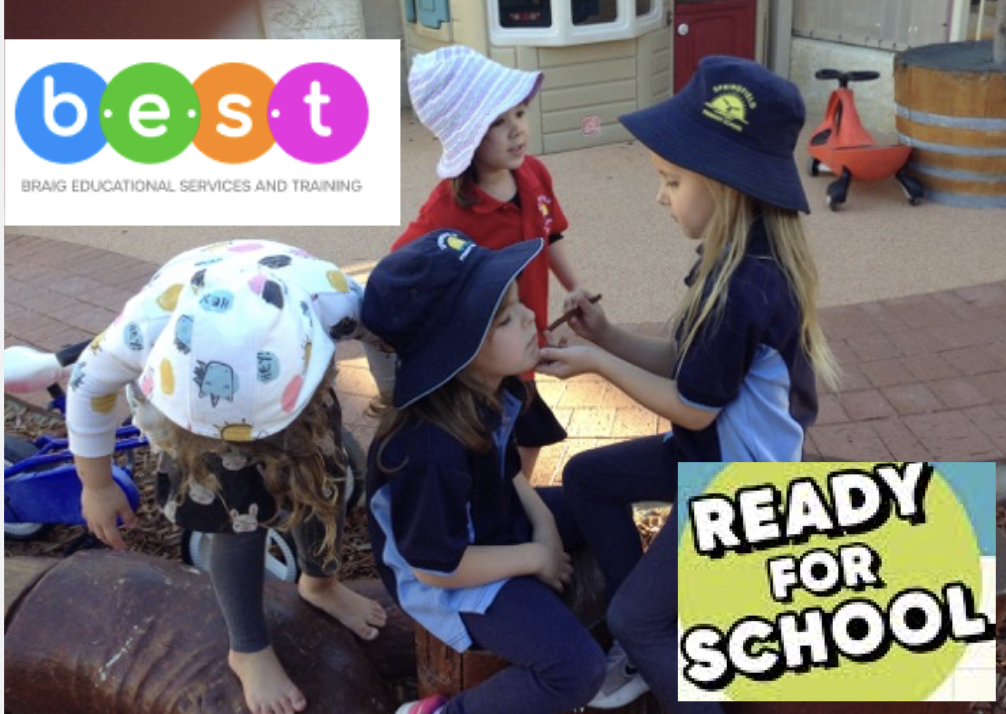
How Childcare Gets Children Ready for Transition to Big School

Starting “big school” is one of the most profound transitions in a child’s early life — a moment filled with excitement, uncertainty, and enormous growth. It is also one of the most meaningful responsibilities we hold as early childhood professionals. Long before a child walks through a school gate for the first time, their sense of confidence, belonging, and readiness has been shaped by the relationships, routines, and experiences they have known in early learning.

In Western Australia, true school readiness is not about worksheets, early academics, or asking children to grow up too fast. It is about nurturing secure, capable, and curious learners who feel emotionally safe, confident in themselves, and ready to engage with the world around them. When children feel supported and understood, they are far more prepared to embrace change and new challenges.

Early learning services play a critical role in this transition — whether children attend Kindergarten at a school or remain in long day care — by intentionally embedding foundational skills through play, strong relationships, and everyday routines. These experiences, built steadily over time, create the foundations for lifelong learning.

This article explains how schooling works in Western Australia, what Kindergarten and Pre-Primary actually mean for families, and how services can intentionally program for school readiness while demonstrating genuine, Exceeding-level practice under the National Quality Standard.
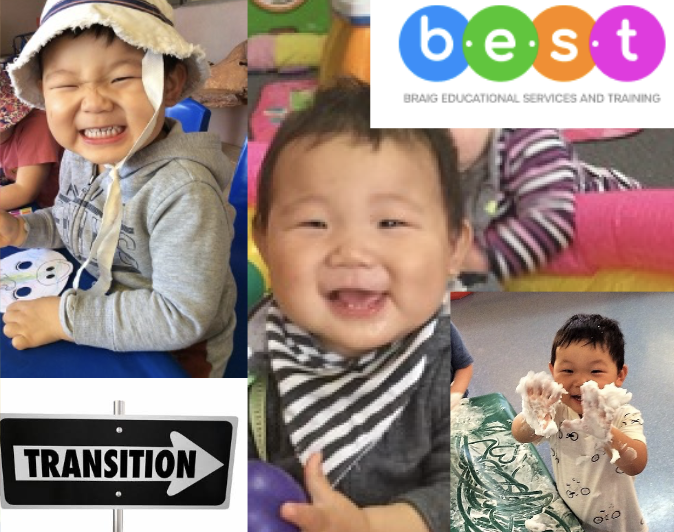
How Childcare Supports Children to Transition to the Next Room 

Transitions within early childhood education are not small moments — they are defining ones. For a young child, moving to a new room represents growth, change, and a shift in relationships that can feel both exciting and uncertain. How these moments are experienced shapes a child’s sense of belonging, confidence, and trust in learning environments.

For young children, changing rooms means new educators, new peers, new expectations, and new routines. It is exciting — and it can also feel uncertain. How educators hold this transition can shape a child’s confidence, sense of belonging, and trust in learning spaces for years to come.

High-quality early learning services approach room transitions with intention, respect, and heart — recognising that every transition is both a learning opportunity and an emotional experience.

Room transitions and “graduations” are not simply operational decisions — they are deeply emotional and developmental experiences for young children. When transition practices are intentionally embedded within the educational program, children are more likely to feel secure, valued, and supported as they move into the next stage of their learning journey. Thoughtfully planned transitions honour children’s relationships, celebrate growth, and strengthen partnerships with families, reflecting high-quality, child-centred practice in early childhood education and care.