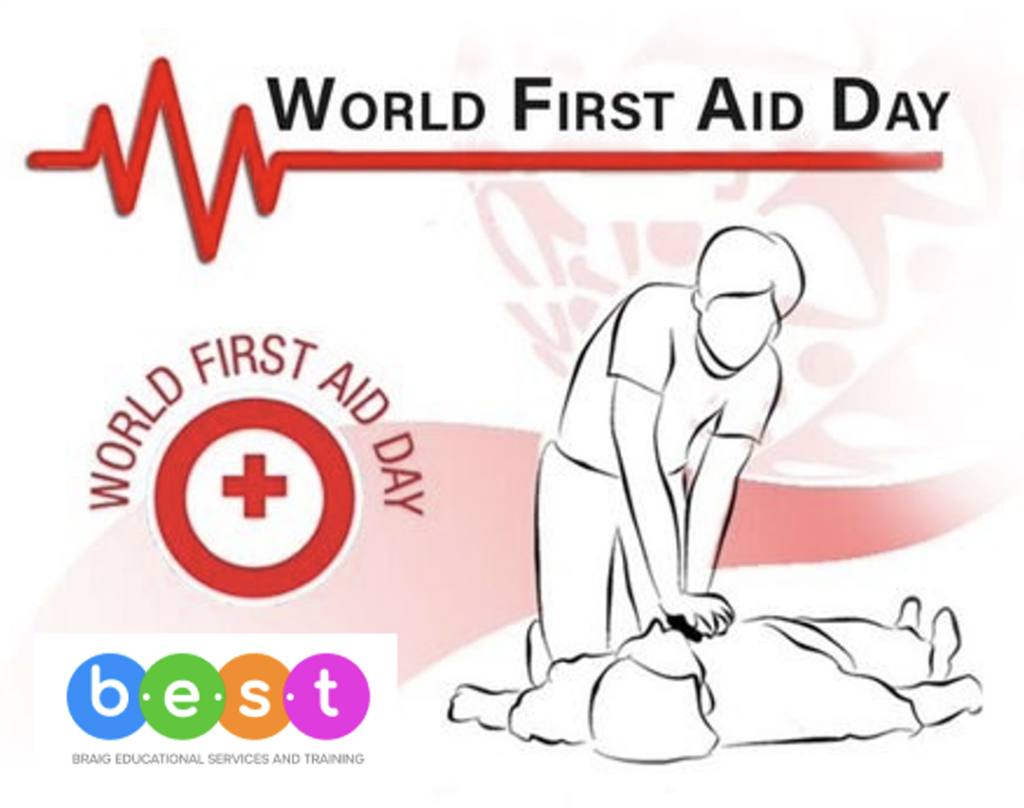
Perfect for World First Aid Day 12 September 2026
By BEST Childcare Consulting
Every day in early childhood education, educators respond to scraped knees, bumped heads, asthma episodes, allergic reactions and unexpected emergencies with calm, confidence and compassion. First aid is far more than a qualification or compliance requirement—it is about protecting children’s lives, promoting wellbeing and giving families confidence that their children are safe in our care.
World First Aid Day, coordinated by the International Federation of Red Cross and Red Crescent Societies (IFRC), reminds us that first aid is a skill everyone can learn. The 2026 global theme, “First Aid in Migration Contexts,” highlights the importance of ensuring that all people, regardless of their circumstances, have access to life-saving first aid knowledge and compassionate care.
Although the global campaign focuses on supporting people affected by migration and displacement, its message resonates strongly within Australian early childhood education. Every child, family and educator deserves to feel safe, supported and prepared. By embedding first aid awareness into everyday learning, services not only strengthen emergency preparedness but also help children develop empathy, resilience and confidence to care for themselves and others.
Understanding the Theme First Aid in Migration Contexts
The official World First Aid Day 2026 theme acknowledges that millions of people around the world experience displacement through conflict, disasters and humanitarian emergencies. During these situations, immediate access to first aid knowledge can save lives while also providing reassurance, dignity and hope.
While most Australian early childhood services will not directly work within humanitarian settings, the message reminds us that first aid should never be viewed as knowledge reserved for health professionals. Every educator, family member and community member has the ability to learn basic first aid skills that may one day save a life.
For early childhood education and care services, this means continuing to create environments where:
- educators maintain current first aid qualifications;
- emergency procedures are regularly practised;
- children learn simple ways to seek help;
- families understand the importance of first aid knowledge; and
- kindness, empathy and helping others become part of everyday learning.
World First Aid Day is therefore an excellent opportunity to revisit emergency procedures, refresh staff knowledge, engage families in conversations about safety and introduce children to age-appropriate concepts of helping others.
Educational Programming Ideas
Babies (Birth–2 Years)
Caring Hands Sensory Play
Provide babies with soft toy teddies, dolls and baby-safe medical play items such as toy bandages, soft cloths and toy stethoscopes. Educators model gentle caring behaviours by wrapping a teddy’s arm, giving cuddles and talking about helping others when they are hurt.
As babies imitate these caring actions through play, educators introduce simple language including:
- “Helping.”
- “Gentle hands.”
- “Are you okay?”
- “Let’s help Teddy.”
This experience supports secure relationships, empathy, communication and social learning without introducing fear about injuries.
Learning opportunities
- Social and emotional development
- Language development
- Empathy
- Secure attachments
- Imaginative play
Ideas and developmental information:
https://raisingchildren.net.au
Toddlers (2–3 Years)
Helping Heroes Dramatic Play
Create a dramatic play area with toy ambulances, telephones, dolls, bandages, doctor kits and high-visibility clothing.
Children naturally role-play helping others by comforting dolls, calling for assistance and caring for friends.
Educators extend learning by asking questions such as:
- Who could help?
- What could we do?
- How can we comfort someone?
- Who do we ask when we need help?
Rather than teaching medical procedures, the focus remains on recognising when someone needs help and seeking assistance from a trusted adult.
Learning opportunities
- Communication
- Emotional regulation
- Problem solving
- Cooperative play
- Community awareness
Ideas:
https://raisingchildren.net.au/preschoolers/play-learning
Three-Year-Old Kindergarten
Emergency Services Discovery
Invite children to investigate the important people who help keep communities safe.
Using books, photographs and dramatic play, children explore the roles of:
- Paramedics
- Nurses
- Doctors
- Firefighters
- Police
- State Emergency Service volunteers
Educators can discuss when these helpers might be needed while reinforcing that emergencies are rare and that many people work together to keep communities safe.
Children can design emergency vehicles, build hospitals using construction materials or role-play community helpers.
Learning opportunities
- Community connections
- Literacy
- Oral language
- STEM
- Dramatic play
Four-Year-Old Kindergarten
Calling for Help
Introduce children to basic emergency awareness by discussing trusted adults, recognising emergencies and learning Australia’s emergency number 000.
Children practise identifying situations where they should immediately seek an adult rather than attempting to solve the problem themselves.
Activities may include:
- matching community helpers to different emergencies;
- practising giving their first name;
- learning their service name;
- discussing safe ways to ask adults for help; and
- sequencing what happens when an ambulance arrives.
The emphasis should always remain on seeking help from adults rather than teaching children to manage emergencies independently.
Learning opportunities
- Personal safety
- Oral language
- Confidence
- Community understanding
- Decision making
Outside School Hours Care
Junior First Aid Challenge
Older children enjoy practical problem-solving experiences.
Set up rotating stations including:
- assembling a small first aid kit;
- identifying hazards around the playground;
- creating emergency action posters;
- designing wellbeing campaigns;
- practising calling for help during role-play;
- discussing sun safety, hydration and active lifestyles.
Children can also research different emergency services and present their findings to younger children.
These experiences promote leadership, responsibility and community awareness while reinforcing that first aid begins with recognising risk and seeking appropriate help.
Resources:
Keeping First Aid Embedded Throughout the Year
World First Aid Day should be more than a once-a-year event. High-quality services embed health, safety and wellbeing into everyday practice so children develop confidence gradually through meaningful experiences.
Simple ways to keep first aid learning alive include:
- maintaining well-stocked first aid kits and checking expiry dates regularly;
- scheduling routine emergency evacuation and lockdown rehearsals;
- reviewing children’s medical management plans with families;
- incorporating community helpers into dramatic play throughout the year;
- inviting organisations such as St John WA or local emergency services to visit the service;
- discussing safety during risky play, outdoor exploration and excursions;
- modelling calm responses to minor injuries;
- encouraging children to identify trusted adults when they need help; and
- reflecting on incidents to continually improve policies, procedures and educator practice.
For educators, World First Aid Day is also an ideal reminder to review first aid qualifications, practise using trainer devices for asthma and anaphylaxis, revisit emergency response procedures and ensure every member of the team understands their role during an emergency.
When first aid becomes part of everyday conversations, children’s confidence grows, educators remain prepared and families gain reassurance that health and safety are genuine priorities rather than compliance tasks.
QIP write ups
Quality Area 1 – Educational Program and Practice
Embedded Practice
Educators intentionally embedded first aid awareness into the educational program through play-based learning experiences that encouraged children to identify trusted adults, recognise community helpers and develop caring behaviours. Learning experiences reflected children’s interests and were documented as part of the ongoing program.
Critical Reflection
The team reflected that introducing first aid concepts through dramatic play and everyday conversations increased children’s confidence while reducing fear around emergencies. Educators recognised that authentic learning opportunities were more meaningful than isolated awareness activities.
Meaningful Engagement
Families contributed ideas, discussed their own occupations within health and emergency services, and shared experiences that extended children’s understanding of caring for themselves and others.
Quality Area 2 – Children’s Health and Safety
Embedded Practice
Educators consistently reviewed emergency procedures, first aid kits, medical management plans and risk assessments to ensure children remained safe. Safe practices were reinforced daily through routines, intentional teaching and responsive interactions.
Critical Reflection
The team evaluated emergency responses, first aid procedures and incident records to identify opportunities for continuous improvement. Reflections strengthened educator confidence and ensured policies remained current and effective.
Meaningful Engagement
Families were informed about first aid procedures, emergency planning and children’s medical management requirements. Ongoing communication strengthened partnerships and promoted consistent approaches between home and the service.
Quality Area 3 – Physical Environment
Embedded Practice
Indoor and outdoor learning environments were organised to minimise hazards while encouraging children to assess risk, make safe choices and participate confidently in active play. First aid resources and emergency equipment remained accessible and regularly maintained.
Critical Reflection
Educators reflected on how thoughtfully designed environments promoted children’s independence while maintaining appropriate levels of safety. Risk-benefit assessments supported challenging play without compromising children’s wellbeing.
Meaningful Engagement
Children contributed to identifying hazards within the learning environment and participated in discussions about keeping themselves and others safe. Families supported safety initiatives by providing feedback and sharing ideas.
Quality Area 4 – Staffing Arrangements
Embedded Practice
All educators maintained current first aid, CPR, anaphylaxis and emergency asthma management qualifications in accordance with legislative requirements. Staff regularly participated in emergency rehearsals and collaborative discussions to strengthen emergency preparedness.
Critical Reflection
The team reflected on emergency simulations and first aid responses to ensure every educator clearly understood their responsibilities. Regular review increased confidence and promoted consistent practice across the service.
Meaningful Engagement
Leadership encouraged educators to share professional knowledge, mentor colleagues and participate in ongoing professional learning relating to health, safety and emergency management.
Quality Area 5 – Relationships with Children
Embedded Practice
Educators supported children to care for themselves and others by modelling empathy, reassurance and calm responses during minor incidents. Conversations focused on recognising emotions, seeking help and supporting friends with kindness.
Critical Reflection
The team reflected that nurturing children’s emotional wellbeing was equally as important as responding to physical injuries. Educators intentionally fostered resilience, confidence and emotional security through everyday interactions.
Meaningful Engagement
Children actively participated in discussions, dramatic play and problem-solving experiences that encouraged helping behaviours and strengthened respectful relationships throughout the service.
Quality Area 6 – Collaborative Partnerships with Families and Communities
Embedded Practice
The service developed partnerships with families and community organisations to strengthen children’s understanding of health, safety and emergency services. Information relating to first aid, medical conditions and emergency preparedness was shared throughout the year.
Critical Reflection
Educators reflected that engaging families in conversations about first aid strengthened trust and promoted consistent approaches to children’s health and wellbeing across home and the service.
Meaningful Engagement
Community organisations, including emergency services and health professionals where available, contributed to children’s learning through visits, educational resources and collaborative experiences.
Quality Area 7 – Governance and Leadership
Embedded Practice
Leadership ensured policies, procedures, emergency management plans and first aid practices complied with current legislation and reflected best practice. Continuous review supported a strong culture of safety and quality improvement.
Critical Reflection
Service leaders analysed incident data, emergency rehearsals and educator feedback to identify trends and implement improvements that enhanced children’s health and safety outcomes.
Meaningful Engagement
Feedback from educators, children and families informed ongoing improvements to health and safety practices, ensuring decision-making remained collaborative and responsive to the needs of the service community.
Official Links and Resources
World First Aid Day
International Federation of Red Cross and Red Crescent Societies (IFRC) – World First Aid Day
https://www.ifrc.org
Australian Children’s Education and Care Quality Authority (ACECQA)
Approved Learning Frameworks
https://www.acecqa.gov.au/approved-learning-frameworks
National Quality Standard
https://www.acecqa.gov.au/nqf/national-quality-standard
Guide to the National Quality Framework
https://www.acecqa.gov.au/nqf/about/guide
St John Ambulance Australia
National First Aid Information
https://stjohn.org.au
St John WA
First Aid Information and Community Education
https://stjohnwa.com.au
Australian Red Cross
First Aid and Emergency Preparedness Resources
https://www.redcross.org.au
Kidsafe Australia
Child Injury Prevention Resources
https://kidsafe.com.au
Raising Children Network
Health, Safety and Child Development Information
https://raisingchildren.net.au
Healthdirect Australia
Trusted Health Information
https://www.healthdirect.gov.au
Australian Government Department of Health, Disability and Ageing
Health Information and Preventive Health Resources
https://www.health.gov.au
From the BEST Team
First aid is one of the most important skills an educator can possess. While policies, procedures and qualifications ensure compliance, it is the confidence, compassion and professionalism of educators that truly make the difference when a child needs help.
World First Aid Day reminds us that creating safe environments is about much more than responding to emergencies. It is about empowering children to care for one another, building trusting relationships with families, maintaining a culture of preparedness and continually striving for excellence in health and safety practices.
By embedding first aid awareness into everyday learning, services nurture children who grow with confidence, empathy and an understanding that even small acts of kindness can make a significant difference.
As always, use these inspirations to lead your service throughout the whole year in your everyday practices to truly earn an Exceeding rating.
Contact us TODAY.