Author Archives: Jennifer Scafidas

How Childcare Gets Children Ready for Transition to Big School

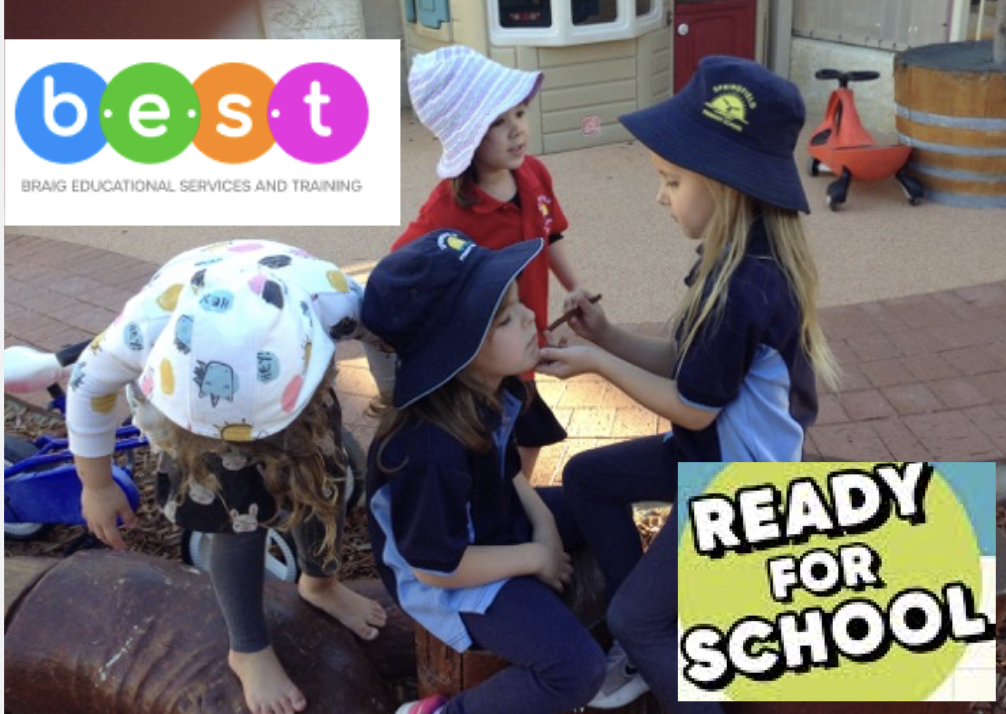
Starting “big school” is one of the most profound transitions in a child’s early life — a moment filled with excitement, uncertainty, and enormous growth. It is also one of the most meaningful responsibilities we hold as early childhood professionals. Long before a child walks through a school gate for the first time, their sense of confidence, belonging, and readiness has been shaped by the relationships, routines, and experiences they have known in early learning.

In Western Australia, true school readiness is not about worksheets, early academics, or asking children to grow up too fast. It is about nurturing secure, capable, and curious learners who feel emotionally safe, confident in themselves, and ready to engage with the world around them. When children feel supported and understood, they are far more prepared to embrace change and new challenges.

Early learning services play a critical role in this transition — whether children attend Kindergarten at a school or remain in long day care — by intentionally embedding foundational skills through play, strong relationships, and everyday routines. These experiences, built steadily over time, create the foundations for lifelong learning.

This article explains how schooling works in Western Australia, what Kindergarten and Pre-Primary actually mean for families, and how services can intentionally program for school readiness while demonstrating genuine, Exceeding-level practice under the National Quality Standard.
How Childcare Supports Children to Transition to the Next Room 

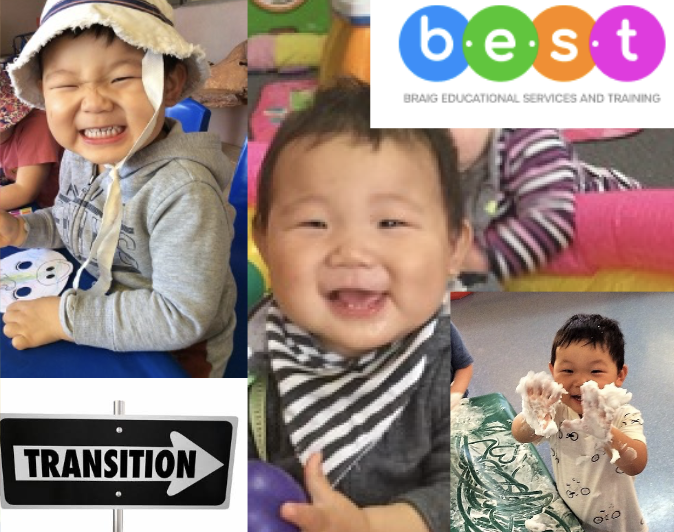
Transitions within early childhood education are not small moments — they are defining ones. For a young child, moving to a new room represents growth, change, and a shift in relationships that can feel both exciting and uncertain. How these moments are experienced shapes a child’s sense of belonging, confidence, and trust in learning environments.

For young children, changing rooms means new educators, new peers, new expectations, and new routines. It is exciting — and it can also feel uncertain. How educators hold this transition can shape a child’s confidence, sense of belonging, and trust in learning spaces for years to come.

High-quality early learning services approach room transitions with intention, respect, and heart — recognising that every transition is both a learning opportunity and an emotional experience.

Room transitions and “graduations” are not simply operational decisions — they are deeply emotional and developmental experiences for young children. When transition practices are intentionally embedded within the educational program, children are more likely to feel secure, valued, and supported as they move into the next stage of their learning journey. Thoughtfully planned transitions honour children’s relationships, celebrate growth, and strengthen partnerships with families, reflecting high-quality, child-centred practice in early childhood education and care.

Saying Goodbye to Children Who Have Grown Up With Us as Part of Our Childcare Family

Saying goodbye to children who have been part of a service for many years is one of the most meaningful — and emotional — moments in early childhood education and care. These are the children who took their first steps in familiar rooms, formed their earliest friendships in well-loved playgrounds, and built their sense of identity within a trusted learning community. They may leave taller, more confident, and ready for the next stage, but the connections formed remain deeply significant.

For educators, these transitions carry pride, gratitude, and a quiet sense of loss. Children leave not because the relationship ends, but because it has done its work well. They move forward with the security, resilience, and confidence nurtured through years of consistent care, responsive teaching, and meaningful relationships.

At its heart, a respectful goodbye is as important as a thoughtful welcome. How services support children and families during long-term transitions reflects the quality of relationships, emotional wellbeing practices, and service culture. When farewells are intentional and child-centred, they honour the shared journey, strengthen partnerships with families, and reinforce each child’s enduring sense of belonging.

This BEST article explores meaningful programming approaches and Quality Improvement Plan practices that support children, families, and educators through long-term goodbyes with care, dignity, and purpose — ensuring every farewell is a celebration of growth, connection, and readiness for what comes next.

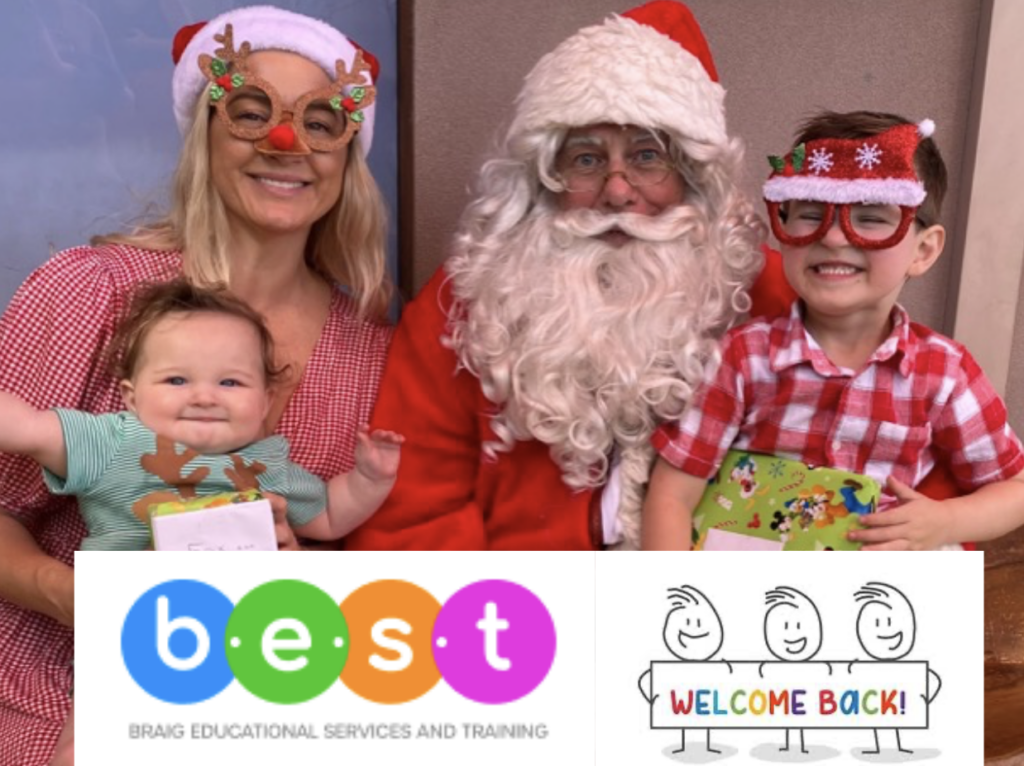
Welcoming Children Back to Childcare After the Christmas Break

The return to childcare after the Christmas and New Year break can be a tender, emotional, and sometimes unpredictable time—for children, families and educators. For many children, returning to childcare after the Christmas break can feel overwhelming. Routines have changed, family time has been intense or comforting, expectations feel unfamiliar again, and emotions can sit close to the surface. Some children return full of stories and excitement, while others return quietly, missing home, siblings, or the slower pace of the holidays.

At BEST Childcare Consulting, we believe January is not about rushing children back into structure, productivity, or “normal.” It is about reconnection.

This is a time to soften expectations, slow the pace, and prioritise what matters most — emotional safety, belonging, joy, and relationships. When children feel safe, seen, and regulated, learning naturally follows.

This article and accompanying QIP write-up reflect a conscious decision to treat January as a leisure-inspired, relationship-centred month, supporting children’s social and emotional wellbeing while also protecting educator wellbeing during a high-emotion transition period.

How to Talk to Children Under 5 About the Bondi Beach Shootings in Australia

When something frightening happens in the world, it doesn’t stay on the news — it enters our homes, our workplaces, and our hearts. The recent events in Bondi have deeply shaken many adults, and even when we try to protect them, our youngest children feel it too.

Babies and young children do not understand headlines or details, but they are highly attuned to the emotions of the adults around them. They sense changes in tone, body language, routines, and emotional energy. When adults feel distressed, children often feel unsettled — even without words being spoken.

In early childhood education and at home, our role is not to explain tragedy, but to hold safety, calm, and connection. This article has been created to gently support educators and families in responding to children under five with reassurance, age-appropriate language, emotional safety, and compassion — while also recognising the importance of caring for ourselves as adults.

There are no perfect words in moments like these. What matters most is presence, predictability, and love.

On 14 December 2025, a mass shooting occurred at Bondi Beach in Sydney during a Hanukkah celebration, resulting in multiple deaths and injuries. Authorities have classified it as a terrorist attack with antisemitic motives and are continuing investigations.  

For adults, this is deeply upsetting — and young children can sense this distress even if they don’t understand the details. What they need most right now is reassurance, safety, and simplified, truthful communication.

What you need to know about the Gender Undervaluation Determination (10 December 2025)

On 10 December 2025, the Fair Work Commission handed down a decision that deeply resonated across the early childhood education and care sector. It formally acknowledged what educators, leaders and families have known—and lived—for decades: the work of caring for, educating and protecting young children has been systematically undervalued, in large part because it is a female-dominated profession.

Known as the Gender Undervaluation Determination, this landmark decision brings long-overdue recognition to the skill, responsibility, emotional labour and professional judgement embedded in children’s services. It introduces formal changes to the Children’s Services Award 2010, reshaping classification structures and increasing minimum pay rates over time.

For early learning services, this moment represents far more than a pay rise. It is a meaningful step toward fair recognition, workforce sustainability, and the professional respect that educators deserve for the vital role they play in shaping children’s lives, families’ trust, and our broader community.

This article contains and explains all you need to do to get ready for the changes next year and QIP write ups you can use to demonstrate your exceeding practices.

What Childcare Centres Need to Know About the New Infant Sleep Safety Standards Before 19 January 2026

Every baby deserves to drift into sleep in a space that is safe, stable, and carefully designed to protect them. In childcare, families trust us with their child during their most vulnerable moments—when they are resting, sleeping, and unable to advocate for themselves. As educators and leaders, we do not simply provide sleep environments; we provide reassurance, confidence, and peace of mind to families.

From 19 January 2026, all infant sleep equipment used within education and care services must meet new national safety requirements. These changes are not minor—they are about preventing suffocation, entrapment, overheating, falls and other tragic outcomes.

Moving early, planning with intention, and training our teams ensures that we honour the responsibility families place in us. By upgrading equipment, updating policies, and embedding safe-sleep practice into everyday routines, we do more than meet compliance—we actively protect children.

This article explains what has changed, what your service must do, and how to prepare confidently.

Exceeding Outcomes for Every Child: Integrating the National Best Practice Framework for Early Childhood Intervention with Building Bridges for Inclusive Education for Hearing Impaired Children

Creating genuinely inclusive early childhood environments requires more than good intentions — it requires evidence-informed practice, meaningful family partnerships, universal design, and a deep understanding of each child’s communication and developmental needs. The National Best Practice Framework for Early Childhood Intervention (NBPF-ECI) gives educators the clarity, consistency and guidance needed to support children with developmental concerns, delays or disabilities within their everyday settings. When paired with practical tools such as Building Bridges, services are empowered to deliver high-quality, culturally safe, strengths-based, bilingual and accessible support for deaf and hard-of-hearing children. This article shows you exactly how to bring the Framework to life in childcare — demonstrating what inclusive practice looks like, how it benefits all children, and how these actions lead directly to Exceeding-level outcomes across all seven Quality Areas.

Embedding Respect, Fairness and Dignity in Early Childhood Education to Earn an Exceeding Rating 

Every smile, every kind word, every shared toy — these are small but powerful expressions of human rights in action. On Human Rights Day 2025, we celebrate the idea that dignity, fairness, and equality are not lofty ideals; they are everyday essentials. They exist in the way we listen to children, support their safety, and include every family in our care community.

For children under five, human rights are lived through the comfort of belonging, the joy of being heard, and the security of being cared for. As educators, we bring these rights to life through play, conversation, and compassion. This year’s theme — “Our Everyday Essentials” — reminds us that human rights are positive, essential, and attainable. They are the building blocks of safety, happiness, and connection.

When early childhood educators teach children about kindness, fairness, and inclusion, we are not just nurturing values — we are shaping a culture of respect that lasts a lifetime.

The 3 Day CCS Guarantee — Supporting Families, Educators, and Services for January 2026

From 5 January 2026, the Australian Government will introduce the 3 Day Guarantee, giving all CCS-eligible families access to a minimum of 72 hours of subsidised early childhood education and care (ECEC) per fortnight, regardless of their activity-test hours.
This is one of the most significant CCS reforms in years — and it will affect families, educators, operations, finances, CCS processing, session structures and occupancy.
This comprehensive BEST article explains everything childcare services need to know about the 3 Day Guarantee starting 5 January 2026. It covers:
• What the changes mean for families, educators and services
• What families must do before January 2026
• What services need to do now and in January
• How to prepare your childcare software for CCS changes
• Whether new CWAs are required (yes, for most families)
• How to use these reforms to increase occupancy
• Full QIP entries for QA6 and QA7, already written and ready to insert into your service’s QIP