Category Archives: Childcare Compliance

How do I prepare for a CCS Spot Check?

In August 2025, the Australian Government released the Strengthening Regulation of Early Childhood Education and Care Safety through the Child Care Subsidy (CCS) – Provider Guidelines, marking a major shift in how safety, quality, and funding integrity are regulated across the early childhood education and care (ECEC) sector.

Under this strengthened framework, CCS approval is no longer just about meeting administrative requirements — it’s about demonstrating a whole-of-service commitment to safety, quality assurance, and governance accountability. The Guidelines empower the Department of Education to use data analytics, risk profiling, and unannounced CCS spot checks to verify that services receiving federal funding are operating safely, ethically, and transparently.

For approved providers and nominated supervisors, this framework acts as both a compliance roadmap and a reflection tool. It encourages services to regularly self-assess their systems — reviewing incident management, staff suitability, documentation accuracy, and financial integrity before any issues arise.

A practical way to prepare is through the Commonwealth’s free Geccko online training platform (Get Early Childhood Compliance Knowledge Online). Geccko helps educators, leaders, and administrators understand their obligations under the Family Assistance Law (FAL) — covering topics such as enrolment integrity, session reporting, gap-fee requirements, and governance responsibilities. Completion certificates can also serve as evidence of staff competence and proactive compliance during a CCS spot check.

Embedding both the CCS Provider Guidelines and Geccko training outcomes into your Quality Improvement Plan (QIP) demonstrates Exceeding-level practice across multiple Quality Areas — particularly QA2 (Children’s Health and Safety), QA4 (Staffing), and QA7 (Governance and Leadership). It shows your service is not only compliant but continually reflecting, improving, and modelling a culture of safety and integrity at every level.

What you need to know about the New National Education Register, becoming mandatory from February 2026

Australia’s early childhood education and care (ECEC) sector is entering a new chapter in workforce accountability and child safety. Education Ministers have commissioned ACECQA to establish a National Educator Register—a landmark initiative designed to bring greater transparency, oversight, and consistency across the sector.

For the first time, every educator, teacher, coordinator, volunteer, and support worker in ECEC services will be recorded in a single national system. This foundational register, integrated into the National Quality Agenda IT System (NQA ITS), will provide regulators, providers, and families with confidence that the people caring for children are qualified, checked, and accountable.

More than just a compliance measure, the register represents a cultural shift. It is about lifting professional standards, closing gaps in child safety protections, and giving governments the data needed to better plan and support the workforce. While challenges exist—including privacy, workload, and consistency across states—the register is an opportunity for services to show leadership and commitment to exceeding practice.

Testing will begin in December 2025, with full mandatory use from February 2026. Now is the time for services to prepare, so that when the register launches, they are not only compliant but also positioned as leaders in child safety and professional excellence.

What you need to know about the changes to ECRU spot checks 

Starting November 2025, the Federal Government will significantly step up compliance monitoring, introducing an additional 1,600 unannounced spot checks every year across early childhood education and care (ECEC) services. This forms part of the Department of Education’s Joint Action on Child Safety, aimed at ensuring every service is meeting safety, quality, and governance requirements under the National Quality Framework (NQF).

For providers, this means being “audit ready” at all times — with current policies, staff records, attendance data, and safety procedures available for immediate inspection. The Education and Care Regulatory Unit (ECRU) has released updated compliance monitoring checklists (1 September 2025) for Long Day Care, OSHC, and Family Day Care services to help you prepare.

Federal Government’s new powers to suspend or cut funding for providers that fail to meet required standards

The Australian Federal Government has taken a major step to strengthen safety and quality across the early childhood education and care (ECEC) sector. Under new legislation, the Department of Education now has expanded powers to suspend, impose conditions, or even cut Child Care Subsidy (CCS) funding for providers that fail to meet required standards.

This change is designed to ensure that every child receives education and care in a safe, high-quality environment — and that families can have confidence in the services they choose. For providers, it signals a clear expectation: compliance with the National Quality Framework (NQF) and Family Assistance Law is non-negotiable, and services must be able to demonstrate ongoing commitment to safety, governance, and continuous improvement.

Staying ahead of these changes is not just about avoiding penalties — it’s about protecting children, safeguarding your service’s reputation, and showing families that your organisation leads with integrity and quality.

Key Childcare Documents to Download URGENTLY (September 2025)

September 2025 brings important updates for childcare services, with new regulations and guidance now in effect. Key documents from ACECQA, ECRU, and the WA Department of Communities provide the tools services need to stay compliant and strengthen child safety practices.

Quick Checklist – What You Should Have Saved/downloaded
o ACECQA Information Sheet (Sept 2025)
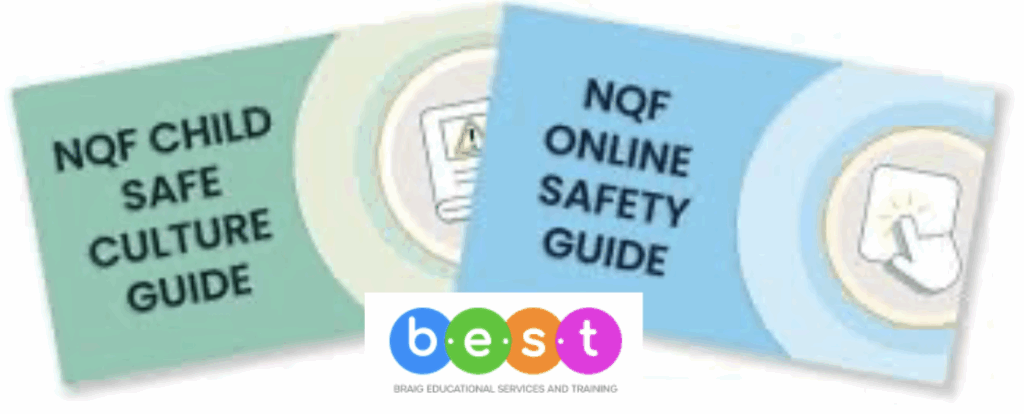
o NQF Child Safe Culture Guide
o NQF Online Safety Guide
o National Model Code on Digital Technology & Images
o Current Guide to the NQF
o ECRU Compliance Bulletins (WA)
o ECRU Legislation Updates (WA)
o ECRU Monitoring & Spot Check Guidance (WA)
o WA Dept. of Communities – Mandatory Reporting of Child Sexual Abuse resources & training

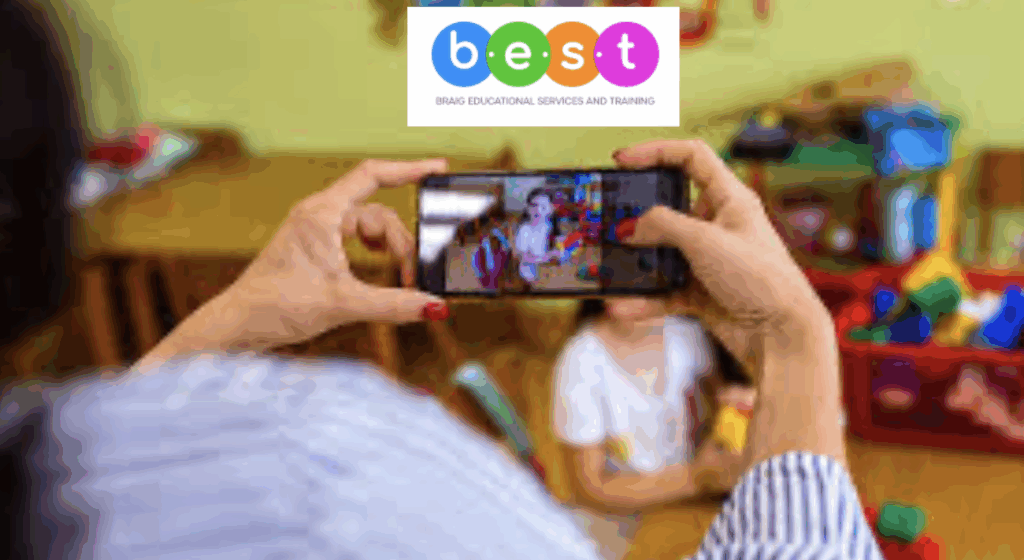
National Model Code: Taking Images and Videos in Early Childhood Education and Care is now Mandatory 

The Model Code used to be voluntary best practice (2024) but has now become mandatory from 1 September 2025 under the NQF regulations.

From 1 September 2025, the Safe Use of Digital Technologies and Online Environments Policy Guidelines will officially require services to align with the National Model Code under NQF Regulations (e.g., Regs 168–170) All approved providers must implement the additional requirements covering the restricted use of personal devices by Friday 26 September 2025.

Adherence to the National Model Code and its record-keeping components not only ensures legal alignment but fundamentally safeguards children’s privacy, dignity, and safety. Restricting device use, securing consent, and maintaining strict data protocols build trust with families and uphold the rights of every child. As regulatory reforms unfold, early implementation positions services at the forefront of child-safe practice.

New resources for the New Child Safety Regulations Changes

From 1 September 2025 and 1 January 2026, new reforms will come into effect that strengthen expectations around proactive child safety, leadership accountability, and the safe use of digital technologies. Understanding these changes is not optional—it is essential. By preparing now, you can help ensure our service moves beyond minimum compliance to show a genuine, whole-team commitment to child safety—something that sits at the heart of quality practice and professionalism in early educationThese changes come from the Review of Child Safety Arrangements under the NQF, released by ACECQA in December 2023. To support you, ACECQA has developed two new guides: the NQF Child Safe Culture Guide, focused on embedding child-safe practice in everything we do, and the NQF Online Safety Guide, which helps services manage risks and build safe digital environments for children. Updates will also be made to core reference materials, including the Guide to the NQF, so our everyday practice, policies, and reflections are aligned.

Childcare Compliance and the Child Care Subsidy (CCS) in Western Australia

The Child Care Subsidy (CCS) is the primary form of government assistance to help families cover the cost of childcare. Services must be approved by Services Australia and comply with federal law to receive and administer CCS payments.