Category Archives: Exceeding the NQS BEST tips

How Childcare Supports Children to Transition to the Next Room 

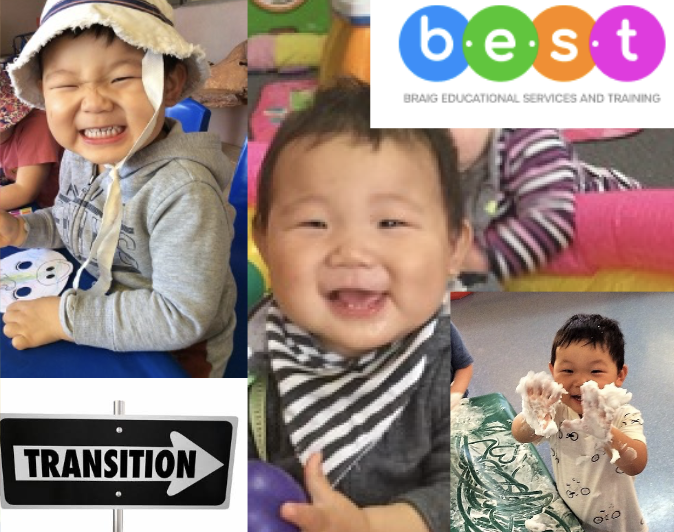
Transitions within early childhood education are not small moments — they are defining ones. For a young child, moving to a new room represents growth, change, and a shift in relationships that can feel both exciting and uncertain. How these moments are experienced shapes a child’s sense of belonging, confidence, and trust in learning environments.

For young children, changing rooms means new educators, new peers, new expectations, and new routines. It is exciting — and it can also feel uncertain. How educators hold this transition can shape a child’s confidence, sense of belonging, and trust in learning spaces for years to come.

High-quality early learning services approach room transitions with intention, respect, and heart — recognising that every transition is both a learning opportunity and an emotional experience.

Room transitions and “graduations” are not simply operational decisions — they are deeply emotional and developmental experiences for young children. When transition practices are intentionally embedded within the educational program, children are more likely to feel secure, valued, and supported as they move into the next stage of their learning journey. Thoughtfully planned transitions honour children’s relationships, celebrate growth, and strengthen partnerships with families, reflecting high-quality, child-centred practice in early childhood education and care.
Saying Goodbye to Children Who Have Grown Up With Us as Part of Our Childcare Family

Saying goodbye to children who have been part of a service for many years is one of the most meaningful — and emotional — moments in early childhood education and care. These are the children who took their first steps in familiar rooms, formed their earliest friendships in well-loved playgrounds, and built their sense of identity within a trusted learning community. They may leave taller, more confident, and ready for the next stage, but the connections formed remain deeply significant.
For educators, these transitions carry pride, gratitude, and a quiet sense of loss. Children leave not because the relationship ends, but because it has done its work well. They move forward with the security, resilience, and confidence nurtured through years of consistent care, responsive teaching, and meaningful relationships.

At its heart, a respectful goodbye is as important as a thoughtful welcome. How services support children and families during long-term transitions reflects the quality of relationships, emotional wellbeing practices, and service culture. When farewells are intentional and child-centred, they honour the shared journey, strengthen partnerships with families, and reinforce each child’s enduring sense of belonging.

This BEST article explores meaningful programming approaches and Quality Improvement Plan practices that support children, families, and educators through long-term goodbyes with care, dignity, and purpose — ensuring every farewell is a celebration of growth, connection, and readiness for what comes next.

Welcoming Children Back to Childcare After the Christmas Break

The return to childcare after the Christmas and New Year break can be a tender, emotional, and sometimes unpredictable time—for children, families and educators. For many children, returning to childcare after the Christmas break can feel overwhelming. Routines have changed, family time has been intense or comforting, expectations feel unfamiliar again, and emotions can sit close to the surface. Some children return full of stories and excitement, while others return quietly, missing home, siblings, or the slower pace of the holidays.

At BEST Childcare Consulting, we believe January is not about rushing children back into structure, productivity, or “normal.” It is about reconnection.

This is a time to soften expectations, slow the pace, and prioritise what matters most — emotional safety, belonging, joy, and relationships. When children feel safe, seen, and regulated, learning naturally follows.

This article and accompanying QIP write-up reflect a conscious decision to treat January as a leisure-inspired, relationship-centred month, supporting children’s social and emotional wellbeing while also protecting educator wellbeing during a high-emotion transition period.

Exceeding Outcomes for Every Child: Integrating the National Best Practice Framework for Early Childhood Intervention with Building Bridges for Inclusive Education for Hearing Impaired Children

Creating genuinely inclusive early childhood environments requires more than good intentions — it requires evidence-informed practice, meaningful family partnerships, universal design, and a deep understanding of each child’s communication and developmental needs. The National Best Practice Framework for Early Childhood Intervention (NBPF-ECI) gives educators the clarity, consistency and guidance needed to support children with developmental concerns, delays or disabilities within their everyday settings. When paired with practical tools such as Building Bridges, services are empowered to deliver high-quality, culturally safe, strengths-based, bilingual and accessible support for deaf and hard-of-hearing children. This article shows you exactly how to bring the Framework to life in childcare — demonstrating what inclusive practice looks like, how it benefits all children, and how these actions lead directly to Exceeding-level outcomes across all seven Quality Areas.

Embedding Respect, Fairness and Dignity in Early Childhood Education to Earn an Exceeding Rating 

Every smile, every kind word, every shared toy — these are small but powerful expressions of human rights in action. On Human Rights Day 2025, we celebrate the idea that dignity, fairness, and equality are not lofty ideals; they are everyday essentials. They exist in the way we listen to children, support their safety, and include every family in our care community.

For children under five, human rights are lived through the comfort of belonging, the joy of being heard, and the security of being cared for. As educators, we bring these rights to life through play, conversation, and compassion. This year’s theme — “Our Everyday Essentials” — reminds us that human rights are positive, essential, and attainable. They are the building blocks of safety, happiness, and connection.

When early childhood educators teach children about kindness, fairness, and inclusion, we are not just nurturing values — we are shaping a culture of respect that lasts a lifetime.

Earning Exceeding Through Inclusion: Connecting, Collaborating & Celebrating Every Child

In our early childhood services, every child deserves to feel seen, heard and valued — not just for one week, but every day. Social Inclusion Week invites us to pause and reflect: How inclusive are we really? It encourages us to strengthen our communities, bridge differences and honour the richness of every child’s story.

This year’s theme — “Connect, Collaborate & Celebrate!” — is a powerful call to action for educators, families and children alike. It’s not just about recognising inclusion; it’s about actively building it, working together, and celebrating what makes each person unique. 

In parallel, the National Best Practice Framework for Early Childhood Intervention (NBPF-ECI) provides a robust, evidence-informed guide that services can draw on to enhance inclusive practice, particularly for children with developmental concerns, delays or disability — helping ensure every child truly belongs.  

By embedding both the ethos of Social Inclusion Week and the framework’s guidance, educators can ensure children’s voices, rights and participation are central — and thereby support Exceeding-level practice across the entire service.

Achieving Exceeding by Embracing Children’s Rights

Every smile, question, and idea a child shares is a glimpse into the future we are shaping together.
World Children’s Day, celebrated globally on 20 November, is more than a date — it is a promise. A promise to listen to children, to see the world through their eyes, and to ensure their voices help guide the decisions we make today.

This year’s theme — “Listen to the Future. Stand up for Children’s Rights.” — reminds us that children are not just the hope for tomorrow; they are citizens of today, with ideas worth hearing and rights worth protecting.

The day also honours the adoption of the United Nations Convention on the Rights of the Child (UNCRC), which enshrines every child’s right to play, to learn, to be safe, and to be heard. For those of us in early childhood education and care, these principles are lived out every day — in the way we listen to children’s stories, respond to their emotions, and make space for their creativity and voice.

World Children’s Day 2025 invites educators, families, and communities to pause and reflect:

Are we truly listening? Are we creating environments where every child feels valued, empowered, and understood?

When we say “Listen to the Future,” we are recognising that children’s voices are not background noise — they are the melody that guides us toward a more compassionate, equitable world.

Learn more about the global campaign and UNICEF’s call to action here: UNICEF – World Children’s Day 2025

Achieving Exceeding Through the Munch & Move Program

In early childhood education, every shared meal, outdoor game, and joyful movement holds the power to shape lifelong habits. The Munch & Move program reminds us that when we nurture healthy bodies, we also nurture healthy minds and confident learners.

For services in Western Australia striving to demonstrate excellence under the National Quality Standard (NQS), Munch & Move provides far more than a set of health messages — it offers a whole-of-service approach to wellbeing, family connection, and reflective practice. It is a gentle yet powerful reminder that quality care extends beyond education — it lives in the everyday choices we make to help children eat well, move often, and feel good in their bodies.

Originally developed by the NSW Ministry of Health, Munch & Move is a free, evidence-based initiative designed to build children’s healthy eating habits, physical literacy, and fundamental movement skills. While it is not formally accredited outside New South Wales, it has become a nationally recognised best-practice model — one that WA services can confidently adopt, adapt, and celebrate as part of their journey toward Exceeding practice.

When educators, leaders, and families unite around these principles, the result is more than compliance — it’s culture. Munch & Move becomes a living reflection of what “Exceeding” truly means: a service where children thrive, families feel empowered, and educators lead with purpose and pride.

Sing, Play, Connect: Earning Exceeding Through Nursery Rhymes

World Nursery Rhyme Week is a global celebration of the joy, rhythm, and connection that rhymes bring to early childhood education. Each year, thousands of early learning settings worldwide participate by exploring five official rhymes that promote language development, cultural belonging, and joyful expression.

In 2025, the five official rhymes are:
Sing a Song of Sixpence
Humpty Dumpty
When I Was One (I Played the Drum)
I Hear Thunder
Two Little Dickie Birds

Nursery rhymes are more than melodies — they are gateways to literacy, numeracy, social connection, and cultural identity. Embedding rhyme and song throughout your educational program builds a strong foundation for communication, belonging, and wellbeing — and when reflected upon intentionally, these practices contribute to Exceeding-level evidence across all 7 Quality Areas.

Early childhood professionals can register for free as official ambassadors and access downloadable packs, lyric posters, and activity ideas at www.worldnurseryrhymeweek.com.

Embedding a Recycling Ethos to Achieve Exceeding

In today’s context of increasing environmental awareness and global resource constraints, embedding a strong recycling culture within your early childhood service is not just socially responsible — it supports children’s sense of agency, belonging, and stewardship of the world they inhabit. The campaign National Recycling Week (10–16 November 2025) run by Planet Ark Environmental Foundation highlights the “reduce – reuse – recycle” hierarchy and the circular economy as critical to sustaining resources. 

Incorporating recycling into your everyday program supports children to investigate, question, problem‐solve, collaborate and make meaningful change; it aligns very strongly with the Exceeding themes of Embedded Practice, Critical Reflection and Meaningful Engagement. Embedding recycling means more than a one-off activity — it becomes part of your service’s identity, routines, environment and learning culture.

Below are practical educational programming ideas followed by a QIP (Quality Improvement Plan) style write-up for each of the 7 Quality Areas (QA) under the National Quality Standard (NQS), each weaving in the three Exceeding themes.