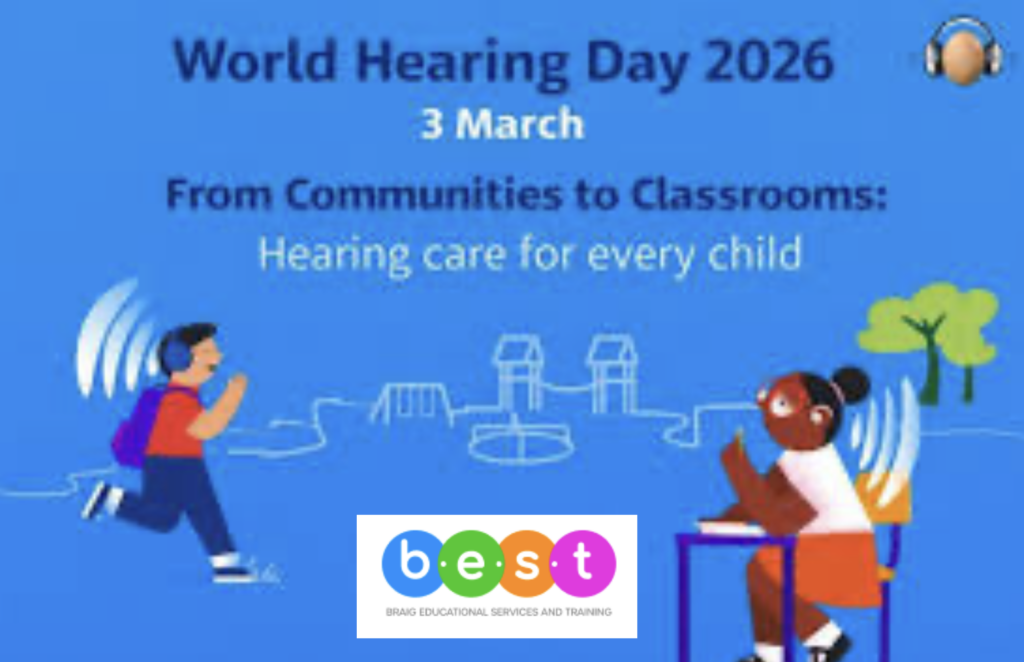
The 2026 World Hearing Day theme, “From communities to classrooms: hearing care for all children,” is more than a public health message. It is a reminder of our responsibility as early childhood professionals. It calls us to look closely at the environments we create, the noise we allow, the language we model, and the inclusion we practise every single day. This theme emphasises the importance of preventing avoidable hearing loss, ensuring early identification and care, and embedding hearing health and inclusive communication into everyday community and early learning environments. It recognises that supporting children’s ability to hear, listen and communicate is foundational to learning, wellbeing and participation in all aspects of ECEC life.
In early childhood education, hearing care is not only about ears — it is about belonging. It is about ensuring that every child can access learning, connection, relationships and joy. It is about noticing when a child leans closer to hear. It is about recognising when frustration may stem from not fully understanding. It is about slowing down our speech, adding visual cues, learning a few Auslan signs, and adjusting our spaces so every child can participate with confidence.
Our classrooms are communities. And our communities shape futures. When we intentionally embed hearing awareness into our everyday practice, we are not simply acknowledging a calendar event — we are strengthening children’s identities, protecting their wellbeing, and building bridges between health, education and family life. This is the work of early childhood