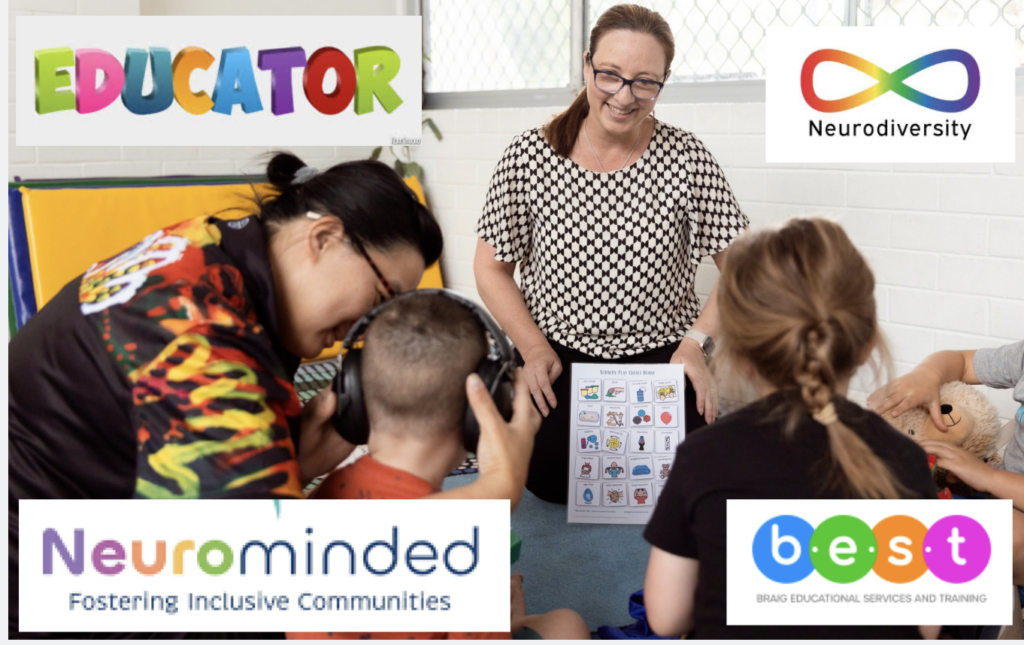
June brings an important opportunity for educators to reflect on what true inclusion looks like in early childhood settings. Learning Disability Week promotes visibility, understanding, rights and inclusion for people with learning disabilities, while Autistic Pride Day — led by autistic communities — celebrates autistic identity, strengths and neurodiversity.
These observances encourage educators to move beyond awareness and consider how environments, routines and relationships either support or create barriers for children. Neuroaffirming practice recognises that brains develop, process information, communicate and experience the world differently — and these differences should be respected rather than changed.
Australian organisation Neurominded describes neurodiversity-affirming practice as child-centred, strengths-based, rights-based and focused on increasing participation, learning and wellbeing for all children. Their work with early learning services emphasises reducing barriers and embedding inclusive practice into everyday environments.
Inclusion is not an extra activity completed during awareness weeks. It is reflected in how educators communicate, respond to behaviour, design environments, partner with families and support every child’s sense of safety and belonging.