
Author Archives: Jennifer Scafidas

What you need to know about the New National Education Register, becoming mandatory from February 2026

Australia’s early childhood education and care (ECEC) sector is entering a new chapter in workforce accountability and child safety. Education Ministers have commissioned ACECQA to establish a National Educator Register—a landmark initiative designed to bring greater transparency, oversight, and consistency across the sector.

For the first time, every educator, teacher, coordinator, volunteer, and support worker in ECEC services will be recorded in a single national system. This foundational register, integrated into the National Quality Agenda IT System (NQA ITS), will provide regulators, providers, and families with confidence that the people caring for children are qualified, checked, and accountable.

More than just a compliance measure, the register represents a cultural shift. It is about lifting professional standards, closing gaps in child safety protections, and giving governments the data needed to better plan and support the workforce. While challenges exist—including privacy, workload, and consistency across states—the register is an opportunity for services to show leadership and commitment to exceeding practice.

Testing will begin in December 2025, with full mandatory use from February 2026. Now is the time for services to prepare, so that when the register launches, they are not only compliant but also positioned as leaders in child safety and professional excellence.
Promoting Children’s Rights to Earn an Exceeding Rating

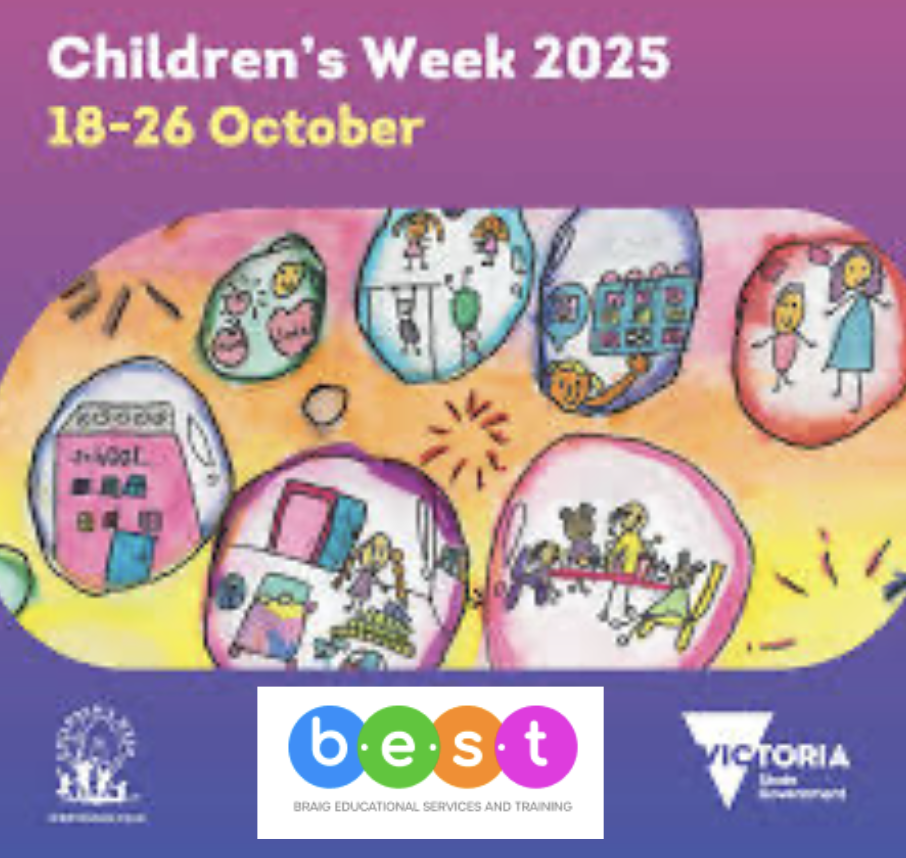
Children’s Week is a celebration of children, their voices, and their rights. In 2025, we focus on Article 24 of the UN Convention on the Rights of the Child:

“Children have the right to the best health care possible, safe water to drink, nutritious food, a clean and safe environment, and information to help them stay well.”

For children under five, this means exploring health, safety, fairness, and belonging through play, art, and everyday routines — helping them feel confident that their ideas matter and their voices are heard. These experiences are perfect for embedding rights-based practice and demonstrating Exceeding practices.

Promoting Healthy Eating to Earn Exceeding Rating, Grow, Cook, Share — Food Brings Us Together

By BEST Childcare Consulting In early childhood education settings, our responsibility goes beyond simply serving nutritious meals — we play a vital role in shaping lifelong healthy habits and embedding healthy eating as a core value. Food is more than nourishment; it weaves culture, connection, and learning into everyday life. This year’s National Nutrition Week theme, Grow, Cook, Share – Food brings us together, invites services to harness the power of food to unite children, families, educators, and communities.

Drawing on the VegKIT Guidelines for Increasing Children’s Vegetable Intake in Long Day Care and aligned with the National Quality Framework, this article offers practical strategies, Quality Improvement Plan (QIP) write-ups, and ways to embed these ideals year-round.

An important tool to support this is HEAS’s free online training module “Promoting Healthy Eating in Long Day Care”, which equips educators and leadership with essential knowledge and skills in under one hour. Healthy Eating Advisory Service+1 We’ll integrate how to use that to strengthen your service’s capacity as you adopt Grow–Cook–Share.

Including Children’s Voices in Risk Assessment and Management for Safety

Promoting children’s safety October’s Safe Work Month is the perfect time for early childhood services to move beyond routine hazard checklists and transform safety into a shared learning journey. Using the ACECQA Risk Assessment & Management Tool (RAMT) as a guide, educators can model real-time risk assessment and then invite children to join the process — spotting hazards, discussing what might happen, and brainstorming safer choices. This approach builds children’s agency, strengthens their problem-solving skills, and embeds safety as part of the everyday curriculum.

Empowering educators and children side by side demonstrates that safety is not just a compliance task but a living culture within the service. Staff critically reflect on hazards, update policies and procedures, and use staff meetings to analyse incident data and refine supervision practices. At the same time, children engage in meaningful, hands-on activities such as safety walks, sorting safe/unsafe images, and creating collaborative posters that celebrate their learning.

By involving families and local community partners — sharing photos, home activity ideas, and trusted resources from Kidsafe WA, St John WA, and the Raising Children Network — services can extend learning beyond the classroom and foster a consistent safety culture. This whole-of-service approach provides rich evidence for all three Exceeding themes (Embedded Practice, Critical Reflection, and Meaningful Engagement) across all seven Quality Areas, showcasing a genuine commitment to continuous improvement and children’s wellbeing.

How BEST’s Articles are Crafted to Support you in your Exceeding Journey

We know how busy life can be in an early childhood service — educators balancing room routines, directors juggling paperwork, and everyone wanting to focus on what matters most: educating and caring for children and being a strong community partner. BEST articles are created with that reality in mind. Each article honours national theme weeks and their important messages, while matching them with child-led programming so children’s interests remain at the centre of learning. This approach helps services know they are truly delivering a rich educational program that nurtures values, supports identity, and grows future global citizens.

To make this easy, BEST provides everything in one place — background information, activity ideas, links to trusted resources, QIP write-up examples, and reflection prompts. Our goal is to save educators and leaders time, build confidence, and bridge the gap between ideas and evidence. Articles are released a few weeks in advance on our website and Facebook page so teams can prepare, gather resources, and create provocations that encourage deep exploration. We then follow up with reminders closer to the date and share inspiration across Facebook and Instagram throughout the week to keep engagement high.

By planning ahead and embedding these themes into everyday practice, services can create programming that is purposeful, well-resourced, and supports exceeding-level practice. BEST’s consistent language and focus on cultural integrity, critical reflection, and community partnerships help ensure your documentation is strong, your practice is inclusive, and your service is supported to be the very best it can be.

Promoting Hand Washing to earn an Exceeding Rating

Global Handwashing Day, celebrated every year on 15 October, is an ideal opportunity for early childhood education services to highlight the importance of handwashing as a simple, powerful way to keep children healthy. Handwashing with soap and water is one of the most effective ways to prevent the spread of germs that cause illness, helping reduce absenteeism and supporting children’s overall wellbeing. In early childhood settings, where play, exploration, and shared resources are part of daily life, teaching and reinforcing proper handwashing routines empowers children to take responsibility for their own health. By celebrating this day through hands-on activities, songs, and science experiments, educators can make hygiene education fun, memorable, and embedded into daily practice — supporting compliance with the National Quality Standard and building a culture of health and safety that lasts all year.

Achieving Exceeding Rating through Embedding Aboriginal and Torres Strait Perspective as world’s first Astronomers

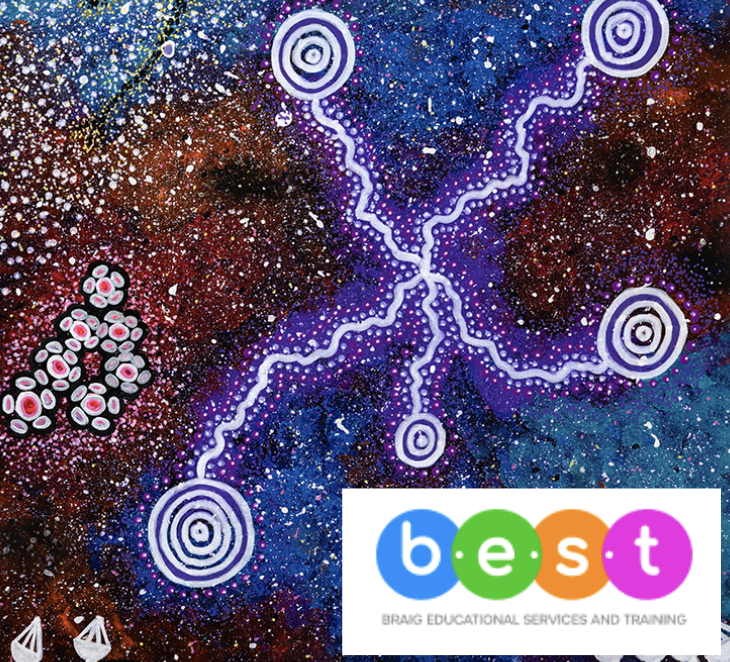
At BEST Childcare Consulting, we know that World Space Week (4–10 October) is an incredible opportunity to ignite children’s curiosity, foster a love of STEM, and build strong connections with families and communities. Space Week is also a powerful way to embed Aboriginal and Torres Strait Islander perspectives, recognising that First Nations peoples are the world’s first astronomers. Their knowledge of the stars, moon, and seasons continues to guide navigation, food gathering, and storytelling today. Embedding these perspectives helps children develop respect for the world’s oldest continuing culture while building a sense of belonging and shared identity.

Designing Incredible Indoor Play Spaces in Early Childhood Education Services 

ndoor environments should feel welcoming, calm, and purposeful—supporting children’s sense of belonging while offering rich opportunities for exploration. A well-designed indoor play space balances flexibility with structure, ensuring areas are safe, engaging, and developmentally appropriate.

Indoor classrooms should include defined zones such as reading nooks, dramatic play, construction areas, and small group tables to support varied learning. Spaces need good flow and accessibility, with clear pathways, child-height shelving, and a balance of quiet and active areas. Incorporating natural and sensory elements like plants, light, and textures creates calm, while cultural and inclusive representationthrough displays, signage, and resources fosters belonging. Finally, flexibility and choice—with movable furniture, open-ended resources, and evolving child-led displays—ensures the environment grows with children’s interests and needs.

Achieving Exceeding Rating Through Aboriginal Perspectives of Australian Animals

Australian Wildlife Week from 1–6 October 2025 is a unique chance for Early Childhood Education and Care (ECEC) services to demonstrate how they embed Aboriginal and Torres Strait Islander perspectives into everyday practice. By planning Wildlife Week experiences that honour Country, engage with Traditional Custodians, and support children’s connection with nature, services can provide evidence of Exceeding practice across multiple QA areas. You can also include this theme in Save the koala day on 26 September 2025 and as part of Biodiversity month in September. 

What you need to know about the changes to ECRU spot checks 

Starting November 2025, the Federal Government will significantly step up compliance monitoring, introducing an additional 1,600 unannounced spot checks every year across early childhood education and care (ECEC) services. This forms part of the Department of Education’s Joint Action on Child Safety, aimed at ensuring every service is meeting safety, quality, and governance requirements under the National Quality Framework (NQF).

For providers, this means being “audit ready” at all times — with current policies, staff records, attendance data, and safety procedures available for immediate inspection. The Education and Care Regulatory Unit (ECRU) has released updated compliance monitoring checklists (1 September 2025) for Long Day Care, OSHC, and Family Day Care services to help you prepare.