
Tag Archives: autism

Every Child, Their Own Way: Supporting Neurodiverse Children in Early Childhood Education 

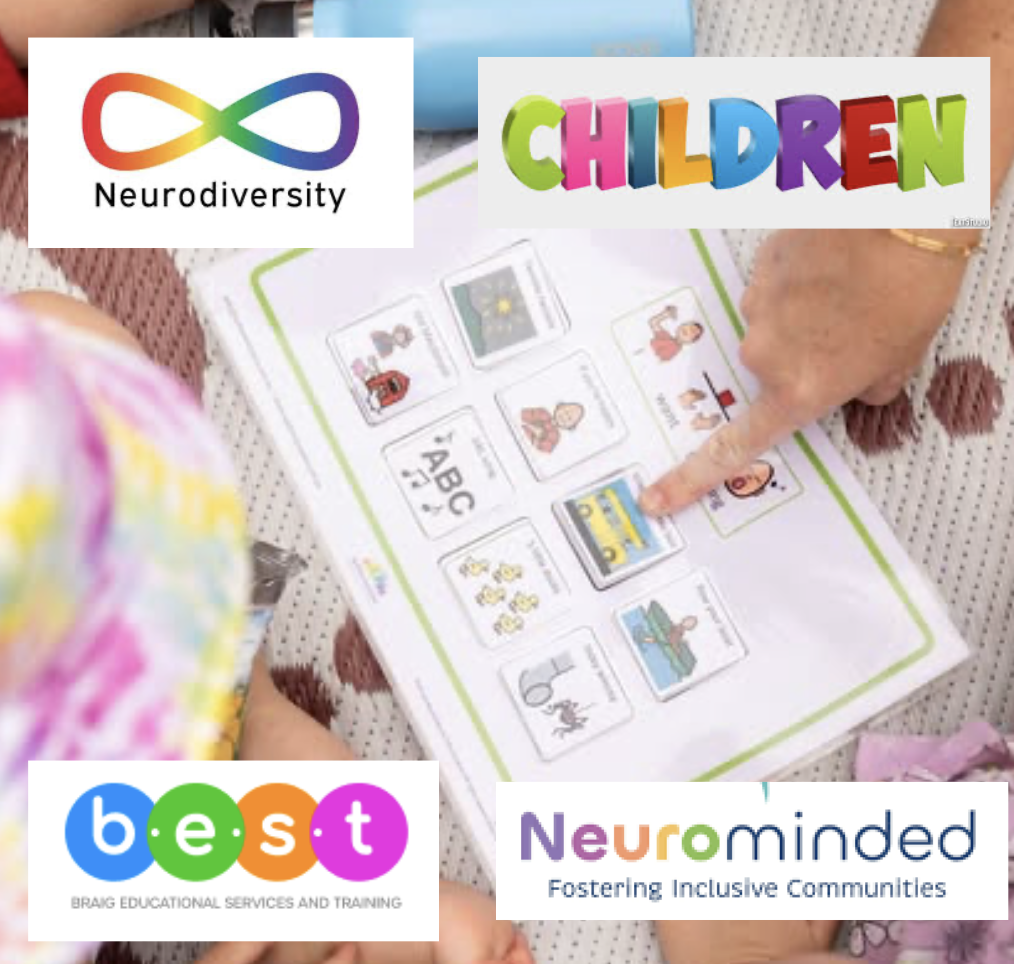
After recently connecting with the team at Neurominded, I was reminded of the importance of truly understanding the lived experiences of neurodiverse individuals. Their insights reinforced that inclusion is not simply about strategies or checklists, but about a shift in mindset—one grounded in respect, curiosity, and a willingness to see each child for who they are. It was a powerful reminder that the way we interpret and respond to children’s behaviour shapes their sense of belonging and identity.

Supporting autistic children in early childhood education calls for a thoughtful, compassionate approach that honours difference rather than trying to change it. When we adopt a neurodiversity-affirming lens, we begin to see behaviour as communication, and environments as something we can intentionally shape to better support each child. By creating spaces that are predictable, responsive, and inclusive, we give children the opportunity to feel safe, understood, and confident to engage with the world in their own unique way.

Creating Inclusive Workplaces in Early Childhood Education: Supporting Neurodiverse Educators

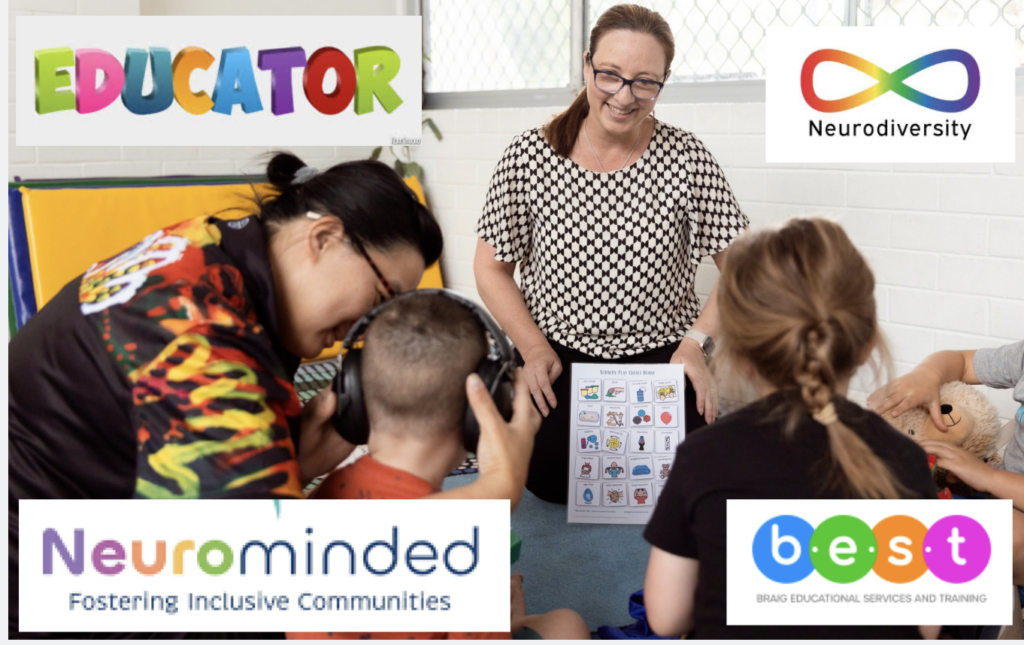
Recently, I had the opportunity to spend time with the team at Neurominded, and it was a genuinely meaningful experience. Their depth of knowledge, combined with the way they centre respect, understanding, and practical support for neurodiverse individuals, offered valuable insight into how we can do better as a sector. It prompted reflection not just on how we support children, but on how we show up for one another as educators.

Creating truly inclusive early childhood environments means recognising that educators themselves are neurodiverse, and that this diversity strengthens our teams. A neurodiversity-affirming approach invites us to move beyond one-size-fits-all expectations and instead build workplaces that are flexible, supportive, and grounded in genuine understanding. When educators feel seen, valued, and supported to work in ways that align with their strengths, this has a profound impact—not only on their own wellbeing, but on the quality of care, connection, and learning we provide for children.