
Tag Archives: Braig

ECRU’s Top 10 Childcare Non-Compliances in WA: What Services Need to Know Now (Oct 2026) 

ECRU has released its Top 10 non-compliances identified across WA education and care services from 1 July to 30 September 2026 — and there are some important messages for Approved Providers, Nominated Supervisors and Directors.

Our latest BEST article explains what each of the Top 10 means in practice, what ECRU may look at during a spot check, and what can happen when non-compliance is identified. We also explain WA’s move to the Applied National Law, how to know when the latest child-safety reforms actually commence in WA, and which of ECRU’s current Top 10 have links to Quality Area 2.

With QA2 becoming a condition of the Worker Retention Payment from 1 July 2027, and quality and safety also playing an increasing role in Commonwealth CCS oversight, understanding how these different systems fit together is becoming increasingly important.

Most importantly, an ECRU non-compliance does not automatically mean a Working Towards rating or loss of funding. This article separates the different processes and explains what they mean for WA services, so you can focus on the areas that are actually being identified and make informed decisions about your service’s compliance and quality improvement.
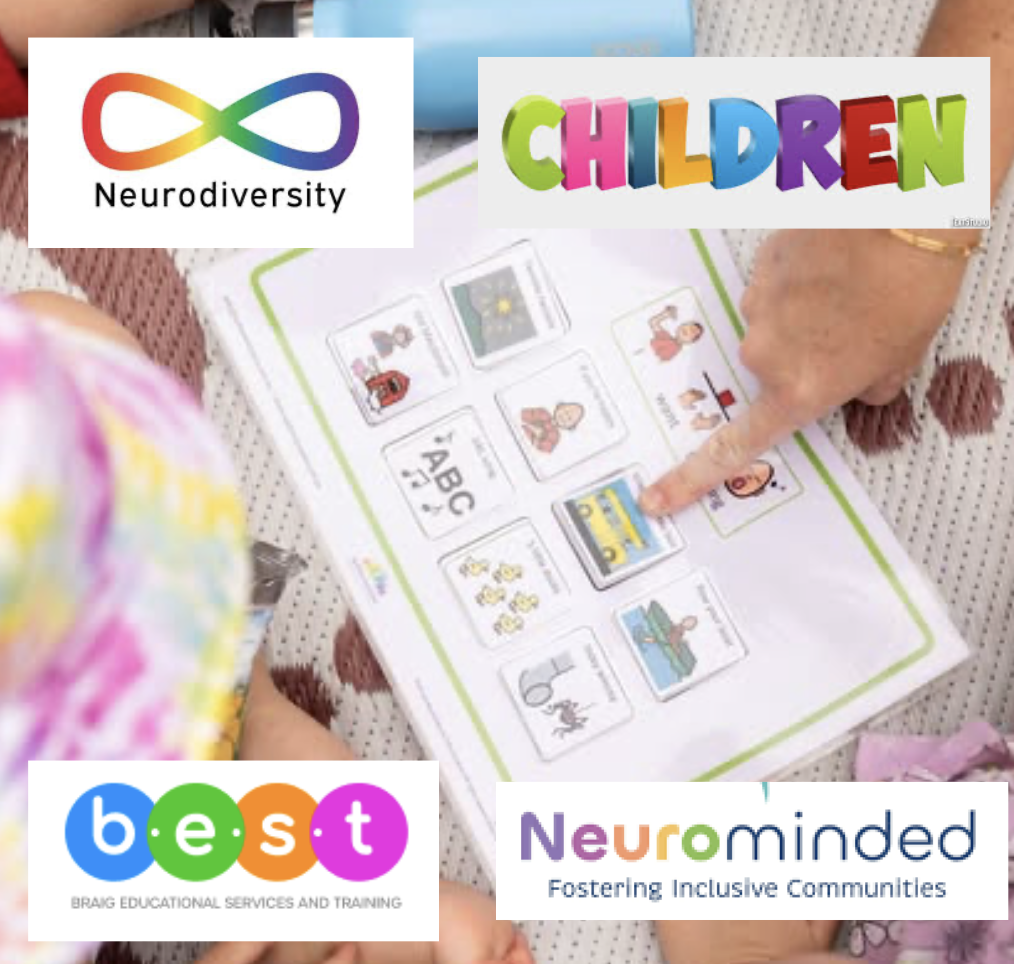

Every Child, Their Own Way: Supporting Neurodiverse Children in Early Childhood Education 

After recently connecting with the team at Neurominded, I was reminded of the importance of truly understanding the lived experiences of neurodiverse individuals. Their insights reinforced that inclusion is not simply about strategies or checklists, but about a shift in mindset—one grounded in respect, curiosity, and a willingness to see each child for who they are. It was a powerful reminder that the way we interpret and respond to children’s behaviour shapes their sense of belonging and identity.

Supporting autistic children in early childhood education calls for a thoughtful, compassionate approach that honours difference rather than trying to change it. When we adopt a neurodiversity-affirming lens, we begin to see behaviour as communication, and environments as something we can intentionally shape to better support each child. By creating spaces that are predictable, responsive, and inclusive, we give children the opportunity to feel safe, understood, and confident to engage with the world in their own unique way.