Tag Archives: BEST Childcare Consulting

World Environment Day Childcare Activities: Sustainability Programming, QIP Examples & Exceeding Themes

Children are naturally curious about the world. They stop to watch butterflies land on flowers, collect leaves from the ground, ask questions about insects and notice changes in the weather. These small moments of wonder are often where lifelong respect for nature begins. As educators, we have a unique opportunity to nurture this curiosity and help children understand that caring for the environment is not an occasional event, but a shared responsibility embedded in everyday actions.

World Environment Day (5 June) and Butterfly Education and Awareness Day (6 June) provide meaningful opportunities to slow down, explore nature together and encourage children to see themselves as capable contributors to protecting the environment. Through gardening, sustainability projects, caring for living things, nature play and learning about biodiversity, children begin to understand that people, animals, plants and Country are deeply interconnected.

When children are supported to develop empathy for living things and appreciation for the natural world, we are not only teaching sustainability — we are helping to grow future citizens who value respect, responsibility and stewardship for generations to come.
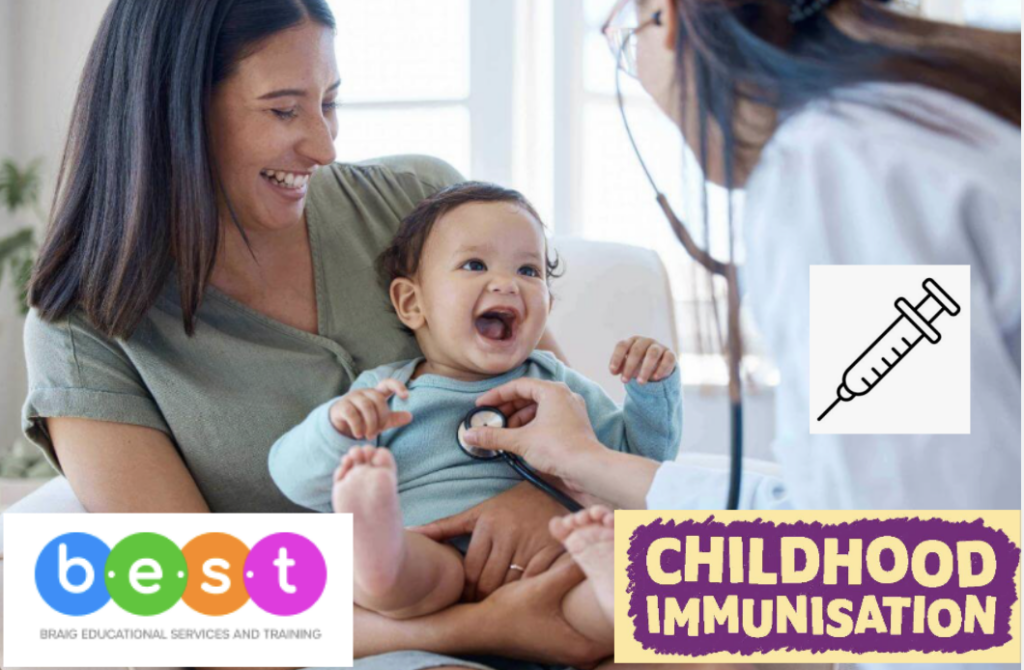
Childcare Safety Compliance Practices: What Every Leader Must Know About Immunisation in Childcare

In early childhood, health and safety are not abstract ideas—they are lived, visible, and deeply felt in every interaction, routine and decision we make. For service leaders, this responsibility carries significant weight. You are not only guiding practice, but safeguarding the wellbeing of children, supporting families, and ensuring your service meets both legal and ethical obligations.

Immunisation sits at the heart of this responsibility. It is one of the most effective ways to protect children—particularly those who are too young or vulnerable to be fully immunised—from serious and preventable illness. In group care environments, where children learn and play closely together, even a single case of a vaccine-preventable disease can have far-reaching impacts.

This is where strong, informed leadership is essential.

Leaders must confidently understand immunisation requirements, maintain accurate records, respond appropriately to illness or outbreaks, and support educators and families with clear, respectful communication. These moments are not just about compliance—they are about trust. Trust that your service is a safe place. Trust that decisions are guided by children’s best interests. Trust that you will act quickly and responsibly when it matters most.

This article provides practical, up-to-date guidance for leaders in Western Australia, outlining what you need to know about immunisation requirements, managing vaccine-preventable diseases, and supporting unimmunised individuals within your service. When embedded thoughtfully, these practices do more than meet standards—they demonstrate leadership that is proactive, informed and truly committed to protecting every child.

Embedding Children’s Rights in Everyday Practice: A Rights-Based Approach to Exceeding Quality

Every child deserves to feel seen, heard, safe, and valued—not just occasionally, but in every moment of their day. When we intentionally teach children about their rights, we are not introducing something new—we are giving language to what they already feel and deserve.

The United Nations Convention on the Rights of the Child (UNCRC) reminds us that children are not passive participants in their world; they are capable, competent individuals with voices that matter.

Through your intentional teaching, learning stories, and adult action guides, it is evident that children are not only learning about their rights—they are living them. Whether expressing identity, contributing to decisions, using rights-based language, or setting personal boundaries, these experiences create the foundation for lifelong wellbeing, respect, and agency. 

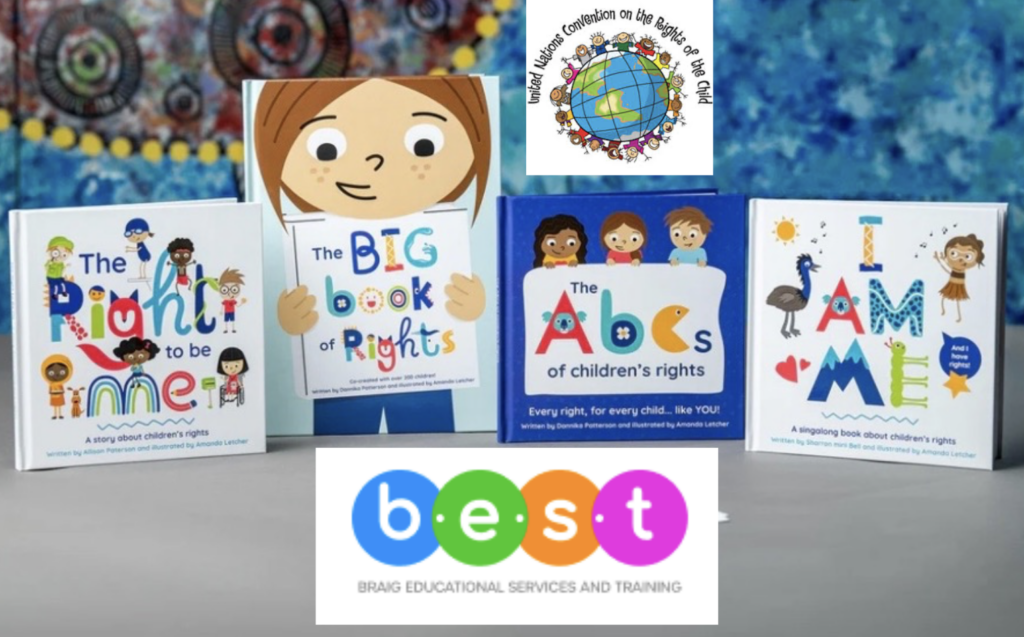
Four main rights books that have been selected to be best resources for teaching children. I Am Me, The Big Book of Rights, The ABCs of Children’s Rights, and The Right to Be Me. If you are looking to get started or strengthen your practice, you are warmly invited to reach out—emailjennifer@braig.com.au and you will receive a starter learning story and an Adult Actions Guide for each book, supporting you to confidently implement children’s rights in your program from day one.

ALL IN for Reconciliation: Growing Respect, Belonging and Understanding in Early Childhood

National Reconciliation Week invites us to pause—not just to acknowledge history, but to feel it, honour it, and walk forward together with purpose. It is a time to recognise the strength, resilience, and enduring cultures of Aboriginal and Torres Strait Islander peoples, while also holding space for the truths of our shared history. The significance of the 1967 Referendum and the Mabo Decision reminds us that change is possible when people come together—but also that the journey is ongoing.

In early childhood education, this responsibility sits gently, yet powerfully, in our hands. Every conversation, every story shared, every moment of respect we model becomes part of how children understand the world and their place within it. Reconciliation is not about having all the answers—it is about showing up with openness, humility, and a willingness to learn alongside children.

When we say we are “ALL IN for Reconciliation,” we are committing to more than a week of activities. We are committing to creating spaces where every child feels a deep sense of belonging, where cultures are honoured authentically, and where respect is lived—not just spoken. It is in the small, everyday moments—listening deeply, valuing each voice, caring for the land—that reconciliation truly begins.

Creating Safe, Inclusive Spaces: Honouring Every Child During Food Allergy Week

For most of us, food is love. It is shared in laughter, celebration, and everyday moments of care. But for some children and families, food carries a very different feeling—one of vigilance, anxiety, and constant awareness. A simple bite can hold serious risk. A shared snack can mean exclusion. And a moment that should feel joyful can quickly become overwhelming.

During Food Allergy Week (24th–30th May), led by Allergy & Anaphylaxis Australia, we are invited to truly step into the perspective of these children and families. To slow down. To listen. And to ask ourselves—are we doing everything we can to ensure every child feels safe, included, and a genuine sense of belonging?

In early childhood settings, this matters deeply. Food is woven through our day—morning tea, shared celebrations, cooking experiences, cultural connections. These are the moments where children build relationships and identity. Guided by the evidence-based practices of Australasian Society of Clinical Immunology and Allergy (ASCIA), we have the opportunity—and responsibility—to ensure these experiences are not only safe, but inclusive, empowering, and grounded in empathy.

Because at its heart, this work is not just about managing allergies.
It is about protecting children.
It is about building trust with families.
And it is about ensuring that no child ever feels like they don’t belong at the table.

A Cup of Kindness: Bringing Families, Culture & Care Together

There is something deeply comforting about a shared cup of tea. It invites us to slow down, to sit together, to notice one another. In a world that often feels rushed, these small, quiet moments become the ones that matter most.

For children, these experiences are not about the drink itself—they are about connection. They are about feeling seen as they pour for a friend, proud as they help prepare food, and valued as they sit alongside others in a shared space. These are the moments where empathy begins, where relationships deepen, and where a sense of belonging truly grows.

On May 21st, International Tea Day and Australia’s Biggest Morning Tea gently come together to offer something more than just an activity—they offer an opportunity. An opportunity to teach children about caring for others, to honour the many ways families and cultures connect, and to show what it means to be part of a community that supports one another.

In these simple acts—pouring, sharing, gathering—we are not just creating experiences. We are shaping values that children will carry with them long beyond their early years.

National Families Week 2026: Moving from Celebration to Exceeding Practice

There is something deeply powerful about recognising the people who shape a child’s world. Families—however they look, however they are formed—are a child’s first place of belonging, identity, and connection. They hold stories, culture, comfort, and love.

National Families Week and the International Day of Families offer more than a moment of celebration—they invite us to slow down and truly see the families within our service community. To listen more intentionally. To include more meaningfully. To reflect on whether every family feels recognised, respected, and valued—not just during this week, but in every interaction, every conversation, and every decision we make.

The theme “Every Family, Everywhere” reminds us that no two families are the same—and that is something to be honoured, not simplified. When we genuinely partner with families, when we welcome their voices into our programs, and when we build strong connections between home, service, and community, we create something far greater than a program—we create a shared space where children can truly thrive.

Grounded in the United Nations Convention on the Rights of the Child and the EYLF v2.0, this week becomes a catalyst—not just for celebration, but for meaningful, lasting change in practice.

More Than a Gift: Honouring Families Through Mother’s Day in Early Childhood Education

Mother’s Day in early childhood education is never just about a handmade card or a painted pot. It is about connection. It is about identity. It is about recognising the deep, meaningful relationships that shape a child’s world.

For some children, “Mum” is the person who gave birth to them. For others, it may be a grandmother, an aunty, a foster carer, two mums, a dad who takes on both roles, or another significant adult who provides love, safety and belonging. When we celebrate Mother’s Day in early childhood settings, we are not simply acknowledging a title—we are honouring care, attachment, and the people who nurture children every single day.

These celebrations, when approached thoughtfully, become powerful opportunities to embed belonging, respect diversity, and strengthen partnerships with families. They also allow children to express gratitude in ways that are developmentally appropriate, meaningful, and joyful.

Breathe Easy, Learn Strong: Supporting Children Through World Asthma Day

There is something deeply powerful about a child taking a calm, steady breath—feeling safe, settled, and ready to explore their world. For children living with asthma, that simple moment can sometimes feel uncertain. It relies on the adults around them being prepared, responsive, and understanding.

World Asthma Day (5th May) invites us to pause and reflect on how we support every child’s right to feel safe in their body. In our early childhood settings, asthma is more than a medical condition—it is part of a child’s daily experience, their routines, their confidence, and sometimes their worries. For some children, it means carrying a puffer. For others, it means watching a friend need help to breathe.

As educators, we are in a unique position. We are the calm in the moment, the reassurance in uncertainty, and the voice that helps children understand that their bodies are important, capable, and supported. When we approach asthma awareness with empathy and intention, we create environments where children don’t feel different—they feel safe, included, and cared for.