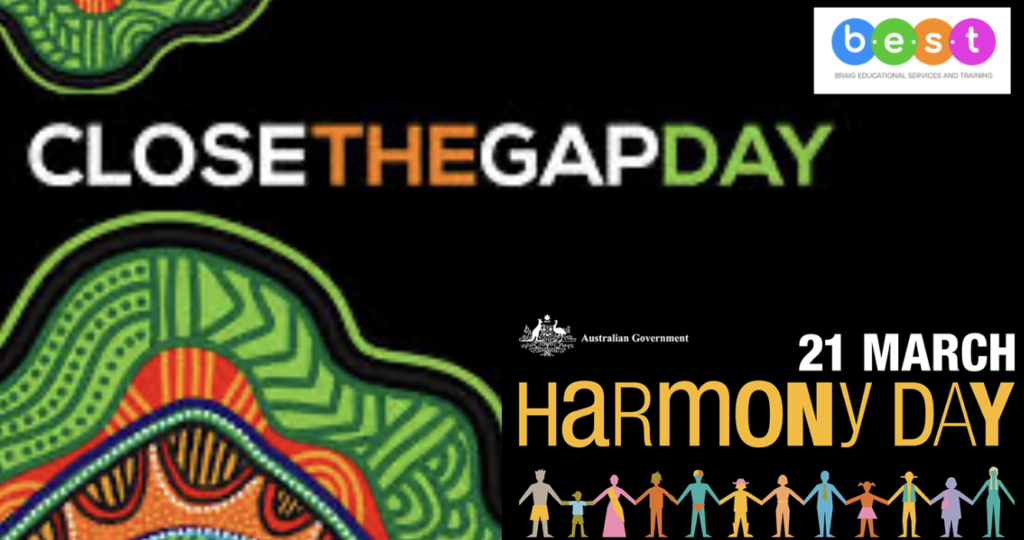
Perfect for Harmony Week (16–22 March) & Closing the Gap Day (19 March 2026) By BEST Childcare Consulting In early childhood education, belonging is not a theme — it is the foundation of everything we do. Harmony Week reminds us that every child walks through our doors carrying language, culture, history, hopes and identity. Some
Category Archives: Exceeding the NQS BEST tips
Exceeding the NQS BEST tips
Where Every Voice Matters: Hearing Awareness in Early Childhood Education
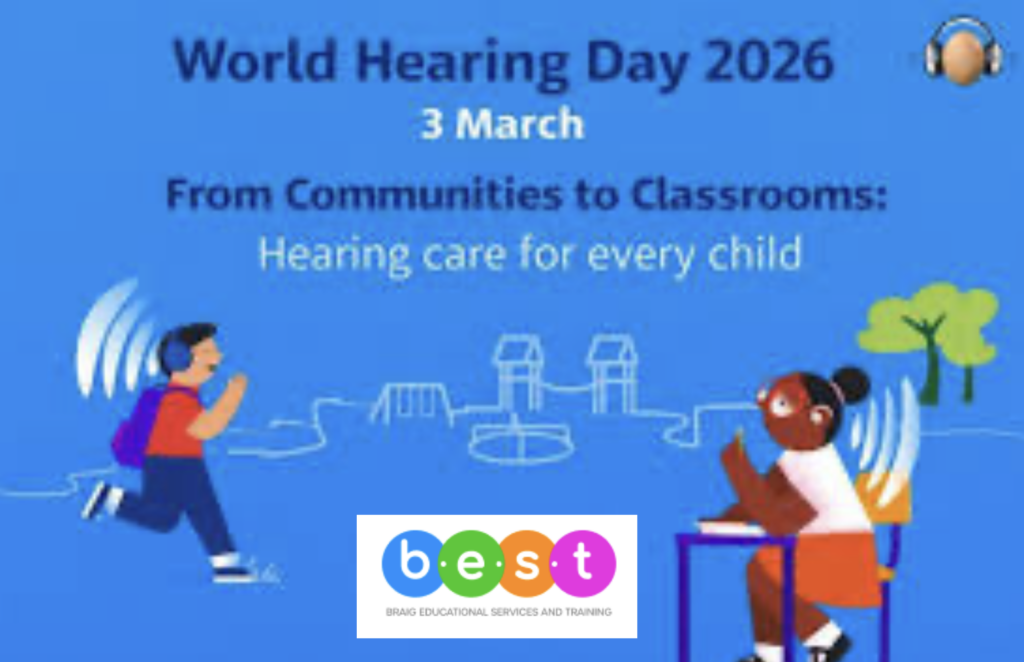
The 2026 World Hearing Day theme, “From communities to classrooms: hearing care for all children,” is more than a public health message. It is a reminder of our responsibility as early childhood professionals. It calls us to look closely at the environments we create, the noise we allow, the language we model, and the inclusion we practise every single day. This theme emphasises the importance of preventing avoidable hearing loss, ensuring early identification and care, and embedding hearing health and inclusive communication into everyday community and early learning environments. It recognises that supporting children’s ability to hear, listen and communicate is foundational to learning, wellbeing and participation in all aspects of ECEC life.
In early childhood education, hearing care is not only about ears — it is about belonging. It is about ensuring that every child can access learning, connection, relationships and joy. It is about noticing when a child leans closer to hear. It is about recognising when frustration may stem from not fully understanding. It is about slowing down our speech, adding visual cues, learning a few Auslan signs, and adjusting our spaces so every child can participate with confidence.
Our classrooms are communities. And our communities shape futures. When we intentionally embed hearing awareness into our everyday practice, we are not simply acknowledging a calendar event — we are strengthening children’s identities, protecting their wellbeing, and building bridges between health, education and family life. This is the work of early childhood
The ocean is one of Earth’s greatest gifts to humanity — it gives us oxygen, regulates our climate, feeds communities, and connects life across the planet. For young children, water is often their first source of wonder: the sound of waves, the feel of rain, the mystery of creatures beneath the surface. These early moments of curiosity lay the foundation for lifelong respect and care for our natural world.
Sea Week Australia 2026 invites early childhood education and care services to slow down, look deeper, and help children understand their relationship with Planet Water. Under the theme “Caring for Planet Water”, Sea Week is not about teaching children facts alone — it is about nurturing empathy, responsibility, and connection. It is about helping children recognise that even small actions, taken every day, can protect the oceans that sustain all life.
When Sea Week is embedded thoughtfully into everyday practice — through play, inquiry, relationships, and sustainable routines — it becomes far more than a calendar event. It becomes a living example of Exceeding practice: intentional teaching, strong environmental stewardship, and children empowered as capable, caring global citizens.
Exceeding the NQS BEST tips
Epilepsy Awareness in Action: Embedding Inclusive Medical Practice in ECEC
Some children arrive at our services carrying more than backpacks. They carry medical plans. Emergency medication. Parent anxieties. Quiet hopes that their child will be safe, included, and understood.
For families of children living with epilepsy, every day requires trust. Trust that educators will recognise a seizure. Trust that supervision is vigilant. Trust that systems are strong. Trust that their child will belong — not be defined by a diagnosis.
Purple Day (26 March) is not simply about wearing purple. It is about honouring that trust. For early childhood services, this day provides a meaningful opportunity to strengthen inclusive practice in alignment with the Education and Care Services National Law, the Education and Care Services National Regulations, and the vision of the Early Years Learning Framework — that every child is safe, supported and able to participate fully.
When approached intentionally, Purple Day becomes powerful evidence of Exceeding practice — not because of decorations, but because of strengthened systems, deeper reflection and genuine collaboration.
Perfect for Red Nose Safe Sleeping week 9 -15 March 2026 By BEST Childcare Consultancy Every day, families place their babies into our arms with complete trust. They trust that we will notice the small things. They trust that we will follow the safest advice. They trust that when their child closes their eyes to
Exceeding the NQS BEST tips
Disaster Resilience Learning in Early Childhood: Calm, Child-Led and Trauma-Aware
ood education and care services are uniquely positioned to support children not only to be safe, but to feel safe, confident and supported. As extreme weather events, natural disasters and community emergencies become part of children’s lived experiences, high-quality services respond not by increasing fear, but by strengthening emotional literacy, environmental awareness, trust in helpers and a sense of belonging.
Disaster resilience learning in early childhood is not about drills or frightening information. Instead, it is built through ongoing exploration of weather and environmental change, learning about community helpers, embedding emotional regulation skills, and creating space for children’s voices about what helps them feel safe when things feel uncertain.
Two complementary Australian resources support this approach:
The Helping Hands Disaster Resilience Toolkit from ABC Kids Early Education, which supports educators to plan age-appropriate learning about weather, safety, helpers and preparedness
Birdie’s Tree Natural Disaster Recovery resources from Children’s Health Queensland, which use story, play and calming strategies to help children process big feelings safely
When embedded intentionally into everyday practice, these resources support services to demonstrate Exceeding practice across all Quality Areas, while keeping children emotionally protected, empowered and calm.
Extreme heat is no longer an occasional challenge for early childhood education and care services — it is a predictable and increasing risk that directly impacts children’s health, wellbeing, emotional regulation, sleep, and capacity to learn. For educators, extreme heat also affects physical wellbeing, decision-making, and the ability to provide responsive, high-quality care.
High-quality services recognise that managing heat is not simply about comfort. It is a child safety obligation, a workplace health responsibility, and a clear indicator of responsive, intentional practice under the National Quality Framework.
Services demonstrating Exceeding practice moved beyond reactive responses to hot days. Instead, they embedded heat-responsive planning, flexible pedagogy, strong communication and continuous improvement into everyday operations — ensuring children remained safe, regulated and supported, even when temperatures soared.
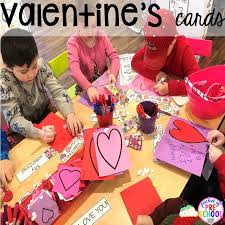
Valentine’s Day in early childhood is a gentle reminder of what matters most — love shown through safety, kindness, listening and care. For young children, love isn’t about cards or gifts; it’s about feeling secure, valued and deeply understood.
When approached with intention, Valentine’s Day becomes a meaningful opportunity to nurture friendships, express gratitude and strengthen the relationships at the heart of quality early learning — between children, educators and families. These practices align deeply with the Early Years Learning Framework, the National Quality Standard, and the everyday actions that underpin Exceeding-level services.
Rather than being a one-off event, Valentine’s Day serves as a quiet prompt to reflect on how love, care and respect are intentionally embedded into daily practice, all year round.
Exceeding the NQS BEST tips
Embedding Social Justice for Exceeding Practice in Early Childhood Education
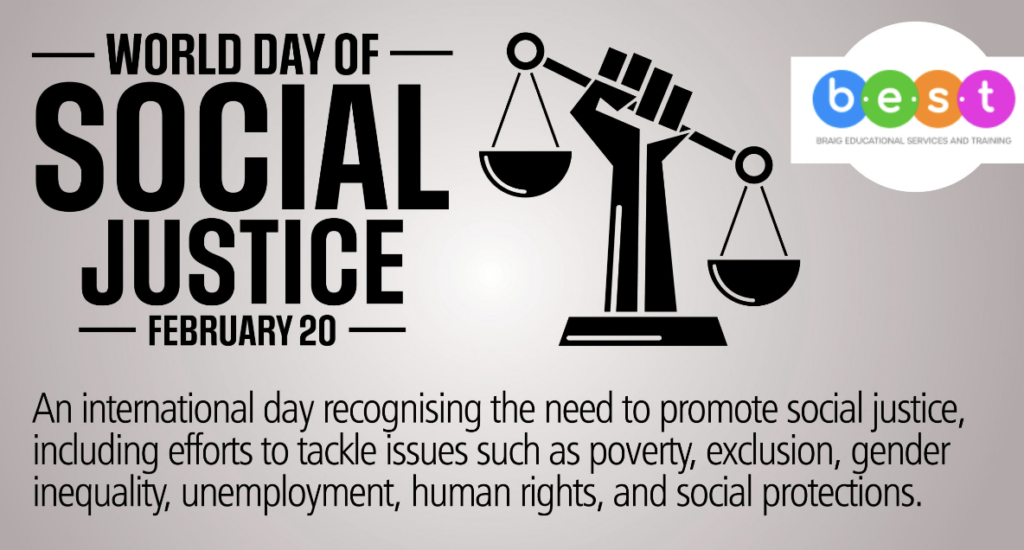
Social justice is not a standalone concept taught on a single day — it is a lived experience for children, shaped by how they are treated, included, listened to, and valued every day within early learning environments. The Early Years Learning Framework (EYLF v2.0) places strong emphasis on equity, inclusion, and children’s rights, recognising that early childhood settings play a critical role in shaping children’s sense of fairness, belonging, and agency.
World Day of Social Justice, led by the United Nations, provides early childhood education and care services with a timely opportunity to critically reflect on practice. The 2026 theme, “Empowering Inclusion: Bridging Gaps for Social Justice,” aligns closely with Exceeding-level practice under the National Quality Standard by challenging services to move beyond symbolic activities and demonstrate how inclusion, anti-bias practice, and advocacy are intentionally embedded, thoughtfully reflected upon, and continuously strengthened.
When social justice is embedded into everyday interactions, environments, policies, and leadership decisions, children learn that fairness is not abstract — it is something they experience, practise, and contribute to. This article explores how services demonstrated Exceeding practice through World Day of Social Justice, with practical programming ideas and Quality Improvement Plan (QIP) examples across all seven Quality Areas.

Safer Internet Day offers early childhood education and care services more than an opportunity to acknowledge a date on the calendar — it invites us to pause, reflect, and strengthen how we protect children in an increasingly digital world. In 2026, this day aligned deeply with the strengthened child safety expectations across the National Quality Framework, particularly the updated Element 2.2.3 (Child Safety and Protection) and Element 7.1.2 (Management Systems).
In early childhood, online safety is not about children independently navigating technology. It is about protective behaviours, trusted relationships, respectful and ethical practices, and the systems adults put in place to keep children safe. Every conversation, every consent check before taking a photo, and every clear procedure sends children a powerful message: you are safe, you are listened to, and adults will protect you.
Services that meaningfully embedded Safer Internet Day into everyday practice demonstrated to assessors that child safety was intentional, deeply embedded, and continuously strengthened over time — not reactive, tokenistic, or limited to compliance.
This article explains how services demonstrated Exceeding practice through Safer Internet Day, sharing practical programming ideas and Quality Improvement Plan (QIP) write-ups across each Quality Area, aligned with the three Exceeding themes, to support services in building a strong, genuine and sustainable child safe culture.