Tag Archives: Be You

Recognising and Supporting Mental Health Difficulties in Children Under Six

Little Children Have Mental Health Too! When we think about mental health, we often think of teenagers and adults. But mental health begins in infancy! In childcare, we focus on children’s physical health, development and safety. But are we recognising the signs when a child may be struggling emotionally? Could persistent crying be more than separation anxiety? Could challenging behaviour be communicating emotional distress? And what about the quiet, withdrawn child whose struggles may go unnoticed? Not all mental health difficulties are visible, and not every child who is struggling will demonstrate challenging behaviour.

In our latest BEST article, we explore how Bringing Up Great Kids (BUGK) — including our specially tailored childcare professional development and the family program we also facilitate — alongside Be You, Karen Young’s Hey Sigmund and My Brain Books, can help educators look beyond behaviour, recognise possible mental health concerns and support children’s emotional wellbeing. Because recognising children’s mental health needs starts with noticing the child behind the behaviour.

Mental Health Month 2026 in Childcare: Supporting Early Childhood Educator Wellbeing, Mental Health and Psychosocial Safety

Every day in early childhood education and care, we think about children’s wellbeing. Educators notice when a child is overwhelmed, help children regulate their emotions, create environments where children feel safe and secure, build trusting relationships and teach children that it is okay to express their feelings and ask for help.

During Mental Health Month this October, however, there is another important question for our sector to consider: Who is looking after the wellbeing of the people doing the caring?

Mental Health Month is recognised throughout October in Australia, with World Mental Health Day held on 10 October. Mental Health Australia’s 2026 theme, Together We Thrive, focuses on connection, belonging and our collective responsibility for creating the conditions in which people and communities can flourish.

For early childhood education and care, that message is particularly relevant. Supporting educator wellbeing requires more than encouraging people to practise self-care or become more resilient. It means listening to educators, understanding the pressures they experience and creating workplaces where people feel safe, respected, connected, supported and valued.

For childcare services, educator mental health and wellbeing should not be viewed as separate from quality practice. It intersects with staffing, supervision, workplace health and safety, relationships with children, leadership, organisational culture and ultimately the quality and safety of children’s experiences.

Supporting Children’s Emotional Wellbeing Through Play and Communication

World Emoji Day is celebrated annually on 17 July and recognises the role emojis play in modern communication. Created by Emojipedia founder Jeremy Burge in 2014, the date was chosen because the calendar emoji displays 17 July. What began as a fun celebration has become an opportunity to explore communication, emotions, language, diversity and digital citizenship with children. 

For early childhood services, World Emoji Day provides a wonderful opportunity to support children’s emotional literacy, social and communication skills, and understanding that people communicate in many different ways. While emojis are commonly used in digital communication, they also help children recognise facial expressions, identify emotions, build empathy and develop their understanding of how feelings can be expressed.

Through playful experiences, educators can use emojis to encourage conversations about kindness, inclusion, friendships, problem-solving and emotional regulation while linking directly to the outcomes of the Early Years Learning Framework (EYLF).

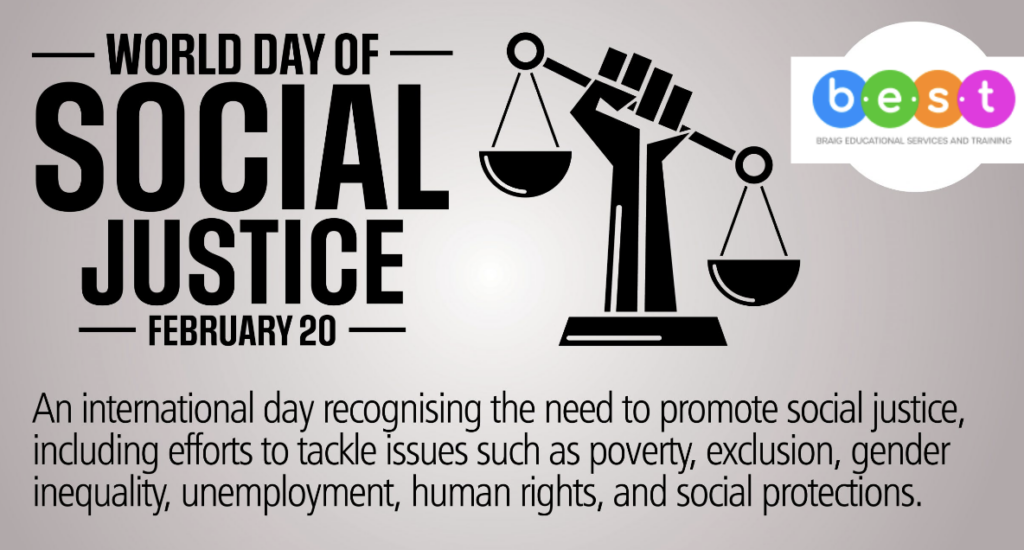
Embedding Social Justice for Exceeding Practice in Early Childhood Education

Social justice is not a standalone concept taught on a single day — it is a lived experience for children, shaped by how they are treated, included, listened to, and valued every day within early learning environments. The Early Years Learning Framework (EYLF v2.0) places strong emphasis on equity, inclusion, and children’s rights, recognising that early childhood settings play a critical role in shaping children’s sense of fairness, belonging, and agency.

World Day of Social Justice, led by the United Nations, provides early childhood education and care services with a timely opportunity to critically reflect on practice. The 2026 theme, “Empowering Inclusion: Bridging Gaps for Social Justice,” aligns closely with Exceeding-level practice under the National Quality Standard by challenging services to move beyond symbolic activities and demonstrate how inclusion, anti-bias practice, and advocacy are intentionally embedded, thoughtfully reflected upon, and continuously strengthened.

When social justice is embedded into everyday interactions, environments, policies, and leadership decisions, children learn that fairness is not abstract — it is something they experience, practise, and contribute to. This article explores how services demonstrated Exceeding practice through World Day of Social Justice, with practical programming ideas and Quality Improvement Plan (QIP) examples across all seven Quality Areas.

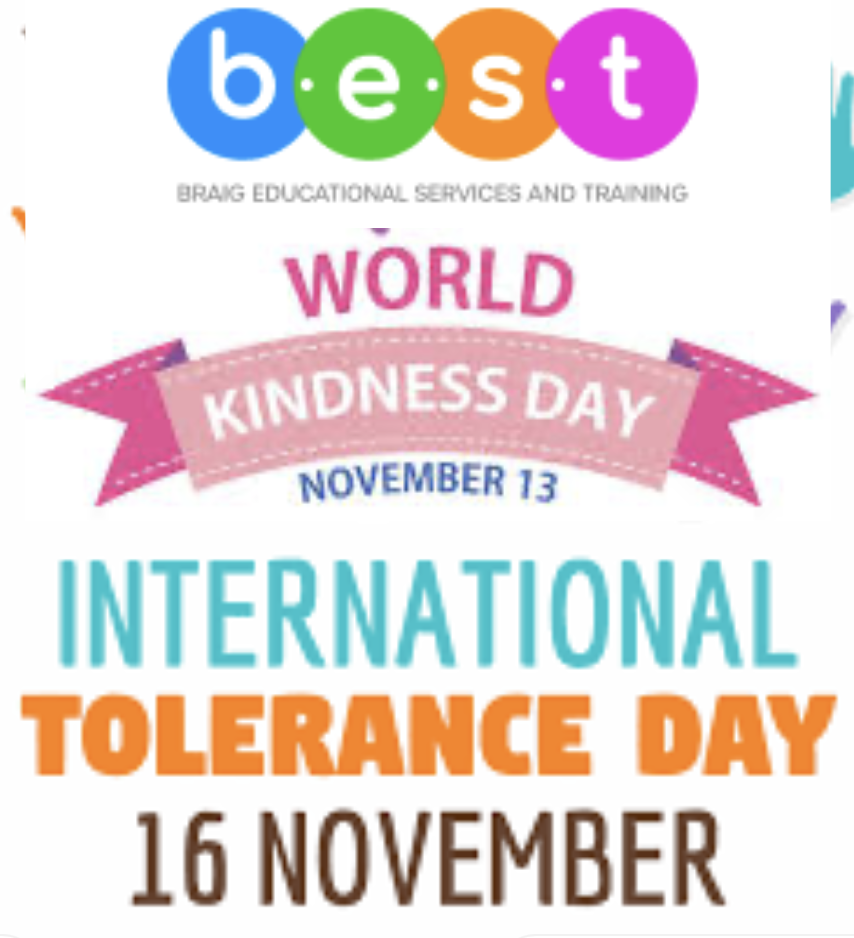
Earning Exceeding Through Kindness and Tolerance: Embedding Empathy, Respect, and Inclusion in Everyday Practice

In early childhood education, every gentle word, every shared smile, and every act of inclusion builds the foundation for a kinder, more tolerant world.
World Kindness Day (13 November) and the International Day for Tolerance (16 November) remind us that even the smallest gestures—helping a friend, saying thank you, inviting someone new to play—can grow into powerful lessons about empathy, respect, and belonging.
Children learn kindness not from words alone, but from the everyday examples set by the adults who care for them. When we model compassion, fairness, and open-mindedness, we teach children that everyone deserves to feel safe, valued, and heard.
By embracing the principles of Be You, which promotes wellbeing, resilience, and positive relationships, and drawing on the Building Belonging Toolkit from the Australian Human Rights Commission, services can intentionally create environments where diversity is celebrated and inclusion is lived every day.
Together, these frameworks guide educators to nurture children’s hearts as well as their minds—helping them grow into empathetic, confident individuals who understand that kindness and tolerance are not just special events, but lifelong ways of being.