
Tag Archives: Emerging minds

Family Partnerships & Belonging in Early Childhood: Programming Ideas, QIP Examples & Exceeding Themes

Families are at the heart of children’s learning, development and wellbeing. Every child arrives at our service with a unique family story, shaped by the people who love, support and care for them. These significant relationships help children develop a sense of identity, security, belonging and confidence.

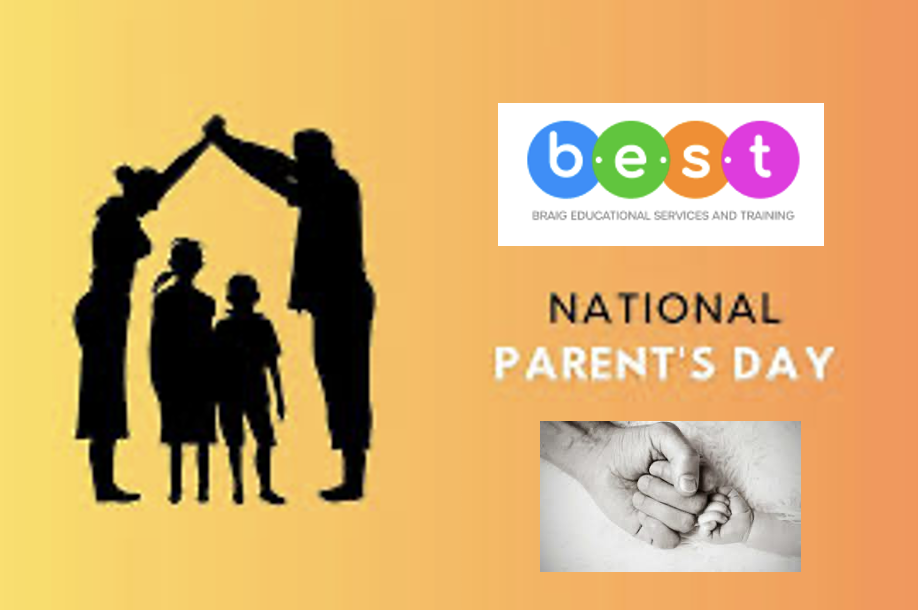
Parents’ Day on 26 July provides an opportunity to recognise and celebrate the extraordinary contribution parents and caregivers make every day. It acknowledges the commitment, advocacy, encouragement and love that families provide as they support children to grow, learn and thrive.

National Stepfamily Awareness Day on 25 July reminds us that families come in many different forms. Across Australia, children may belong to blended families, stepfamilies, kinship care arrangements, foster families, single-parent families, multi-generational households and many other family structures. Each family brings unique strengths, experiences and perspectives that enrich our communities.

For early childhood services, these events provide a valuable opportunity to celebrate diversity, strengthen partnerships with families and help children understand that there is no single way to be a family. By embracing family diversity and promoting belonging, services strengthen outcomes across the Early Years Learning Framework (EYLF) and National Quality Standard (NQS).

Supporting Calm, Connected & Resilient Children: Wellbeing Ideas for Early Learning Services

Supporting children’s wellbeing through movement, mindfulness, emotional regulation and connection

Wellbeing in early childhood extends beyond physical health. It includes emotional regulation, resilience, belonging, secure relationships, confidence and a child’s capacity to understand and express feelings. The International Day of Yoga and World Wellbeing Week provide meaningful opportunities for services to intentionally embed experiences that support social and emotional wellbeing for children, while also prioritising educator and family wellbeing.

These themes align strongly with the Early Years Learning Framework (EYLF), particularly Outcome 1 (Identity), Outcome 3 (Wellbeing) and Outcome 4 (Confident and Involved Learners). They also align closely with Australia’s national mental health in education initiative, Be You, which supports educators in creating mentally healthy learning communities through reflective practice, relationships and wellbeing promotion. 

Be You emphasises that children’s mental health is strengthened through responsive relationships, emotional literacy, predictable environments and educators who intentionally model wellbeing practices. Whole-service wellbeing approaches support both children and educators.