Families are at the heart of children’s learning, development and wellbeing. Every child arrives at our service with a unique family story, shaped by the people who love, support and care for them. These significant relationships help children develop a sense of identity, security, belonging and confidence.
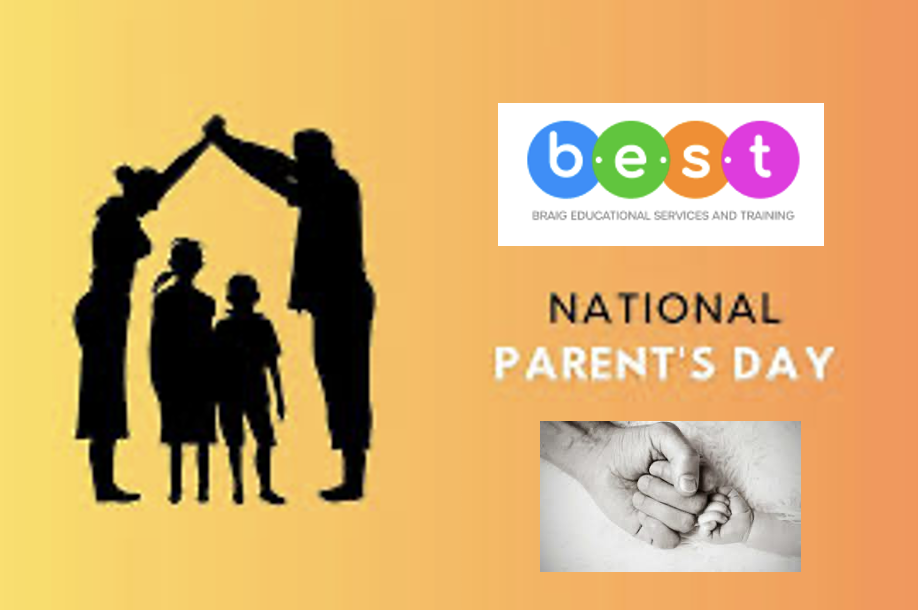
Parents’ Day on 26 July provides an opportunity to recognise and celebrate the extraordinary contribution parents and caregivers make every day. It acknowledges the commitment, advocacy, encouragement and love that families provide as they support children to grow, learn and thrive.
National Stepfamily Awareness Day on 25 July reminds us that families come in many different forms. Across Australia, children may belong to blended families, stepfamilies, kinship care arrangements, foster families, single-parent families, multi-generational households and many other family structures. Each family brings unique strengths, experiences and perspectives that enrich our communities.
For early childhood services, these events provide a valuable opportunity to celebrate diversity, strengthen partnerships with families and help children understand that there is no single way to be a family. By embracing family diversity and promoting belonging, services strengthen outcomes across the Early Years Learning Framework (EYLF) and National Quality Standard (NQS).