Tag Archives: early childhood education

Managing Extreme Heat in Early Childhood Education and Care

Extreme heat is no longer an occasional challenge for early childhood education and care services — it is a predictable and increasing risk that directly impacts children’s health, wellbeing, emotional regulation, sleep, and capacity to learn. For educators, extreme heat also affects physical wellbeing, decision-making, and the ability to provide responsive, high-quality care.

High-quality services recognise that managing heat is not simply about comfort. It is a child safety obligation, a workplace health responsibility, and a clear indicator of responsive, intentional practice under the National Quality Framework.

Services demonstrating Exceeding practice moved beyond reactive responses to hot days. Instead, they embedded heat-responsive planning, flexible pedagogy, strong communication and continuous improvement into everyday operations — ensuring children remained safe, regulated and supported, even when temperatures soared.
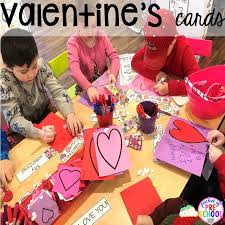
Love, Belonging and Excellence: Valentine’s Day in Exceeding Services

Valentine’s Day in early childhood is a gentle reminder of what matters most — love shown through safety, kindness, listening and care. For young children, love isn’t about cards or gifts; it’s about feeling secure, valued and deeply understood.

When approached with intention, Valentine’s Day becomes a meaningful opportunity to nurture friendships, express gratitude and strengthen the relationships at the heart of quality early learning — between children, educators and families. These practices align deeply with the Early Years Learning Framework, the National Quality Standard, and the everyday actions that underpin Exceeding-level services.

Rather than being a one-off event, Valentine’s Day serves as a quiet prompt to reflect on how love, care and respect are intentionally embedded into daily practice, all year round.

Embedding Social Justice for Exceeding Practice in Early Childhood Education

Social justice is not a standalone concept taught on a single day — it is a lived experience for children, shaped by how they are treated, included, listened to, and valued every day within early learning environments. The Early Years Learning Framework (EYLF v2.0) places strong emphasis on equity, inclusion, and children’s rights, recognising that early childhood settings play a critical role in shaping children’s sense of fairness, belonging, and agency.

World Day of Social Justice, led by the United Nations, provides early childhood education and care services with a timely opportunity to critically reflect on practice. The 2026 theme, “Empowering Inclusion: Bridging Gaps for Social Justice,” aligns closely with Exceeding-level practice under the National Quality Standard by challenging services to move beyond symbolic activities and demonstrate how inclusion, anti-bias practice, and advocacy are intentionally embedded, thoughtfully reflected upon, and continuously strengthened.

When social justice is embedded into everyday interactions, environments, policies, and leadership decisions, children learn that fairness is not abstract — it is something they experience, practise, and contribute to. This article explores how services demonstrated Exceeding practice through World Day of Social Justice, with practical programming ideas and Quality Improvement Plan (QIP) examples across all seven Quality Areas.

Demonstrating Exceeding Practice in Online Safety and Child Protection

Safer Internet Day offers early childhood education and care services more than an opportunity to acknowledge a date on the calendar — it invites us to pause, reflect, and strengthen how we protect children in an increasingly digital world. In 2026, this day aligned deeply with the strengthened child safety expectations across the National Quality Framework, particularly the updated Element 2.2.3 (Child Safety and Protection) and Element 7.1.2 (Management Systems).

In early childhood, online safety is not about children independently navigating technology. It is about protective behaviours, trusted relationships, respectful and ethical practices, and the systems adults put in place to keep children safe. Every conversation, every consent check before taking a photo, and every clear procedure sends children a powerful message: you are safe, you are listened to, and adults will protect you.

Services that meaningfully embedded Safer Internet Day into everyday practice demonstrated to assessors that child safety was intentional, deeply embedded, and continuously strengthened over time — not reactive, tokenistic, or limited to compliance.

This article explains how services demonstrated Exceeding practice through Safer Internet Day, sharing practical programming ideas and Quality Improvement Plan (QIP) write-ups across each Quality Area, aligned with the three Exceeding themes, to support services in building a strong, genuine and sustainable child safe culture.

Earning Exceeding Rating Through Culturally Safe, Inclusive Approaches 

Across Australia, 26 January carries many meanings. For some it is Australia Day. For First Nations peoples, it is also known as Survival Day and Invasion Day—a reminder of loss, resilience, strength, culture and Country.

In early childhood education and care (ECEC), our role is not to choose one meaning, but to honour the diverse identities of children, families, staff, and communities. This means acknowledging truth, celebrating Aboriginal and Torres Strait Islander cultures, and ensuring that children grow with respect, empathy, and cultural safety.

On 27 January, the Yabun Festival—Australia’s largest one-day celebration of Aboriginal and Torres Strait Islander cultures—provides a joyful, strengths-based opportunity to highlight music, dance, history, art, storytelling, and community pride. Yabun reminds us that First Nations cultures are not only ancient, but thriving and growing.

When approached with reflection, sensitivity, and genuine partnership, these dates help services strengthen relationships, build cultural competence, and embed reconciliation meaningfully and respectfully.

What Changed in NQS 7.1.2 Management Systems — Practical Guide to What Services Must Do Now

In January 2026, further significant changes came into effect under the National Quality Standard, with Element 7.1.2 – Management Systems strengthened to clearly embed child safety as a governance and leadership responsibility. Systems are in place to manage risk and enable the effective management and operation of a quality service, included now is the phrase ‘that is child safe’.
These changes confirm that child safety must be intentionally designed, governed, monitored and continuously improved through management systems — not left to informal practices or individual judgement.
With the Guide to the National Quality Standard now spanning 692 pages, it is neither practical nor necessary for busy educators and leaders to digest every detail. What matters most is understanding what has changed, what assessors are now looking for, and what services need to do differently in practice.
BEST Childcare Consulting was proud to be part of the consultation group for the new national child protection training, providing sector-informed input into how these requirements translate into real, workable practice for early childhood services
This article provides a clear, assessment-ready breakdown of the strengthened wording in Element 7.1.2, translating each requirement into:
• practical actions services can implement immediately, and
• targeted training options to strengthen practice and evidence.

Creating a Sense of Belonging: Welcoming New Children to Childcare

Welcoming a new child into an early childhood education and care service is a moment of deep responsibility and privilege. Behind every enrolment is a child taking a brave step into the unknown, and a family placing enormous trust in the hands of educators they may only just be getting to know. Those first days and weeks matter — they shape how safe a child feels, how confident they become, and whether they believe this new place truly belongs to them.

For families, this transition is often layered with pride, hope, emotion, and uncertainty. For children, it is felt through the smallest moments — a warm greeting at the door, a familiar routine, a calm voice that says, “You are safe here.” When educators respond with empathy, intention, and consistency, they do far more than ease separation anxiety. They build secure attachments, nurture emotional wellbeing, and establish respectful partnerships that last long beyond the settling-in period.

When welcoming practices are thoughtfully planned and genuinely embedded into everyday routines and service culture, they become a powerful marker of quality. They reflect who we are, what we value, and how deeply we honour children and families. These practices not only support smooth transitions — they set the foundation for high-quality pedagogy and Exceeding-level practice across the National Quality Standard.

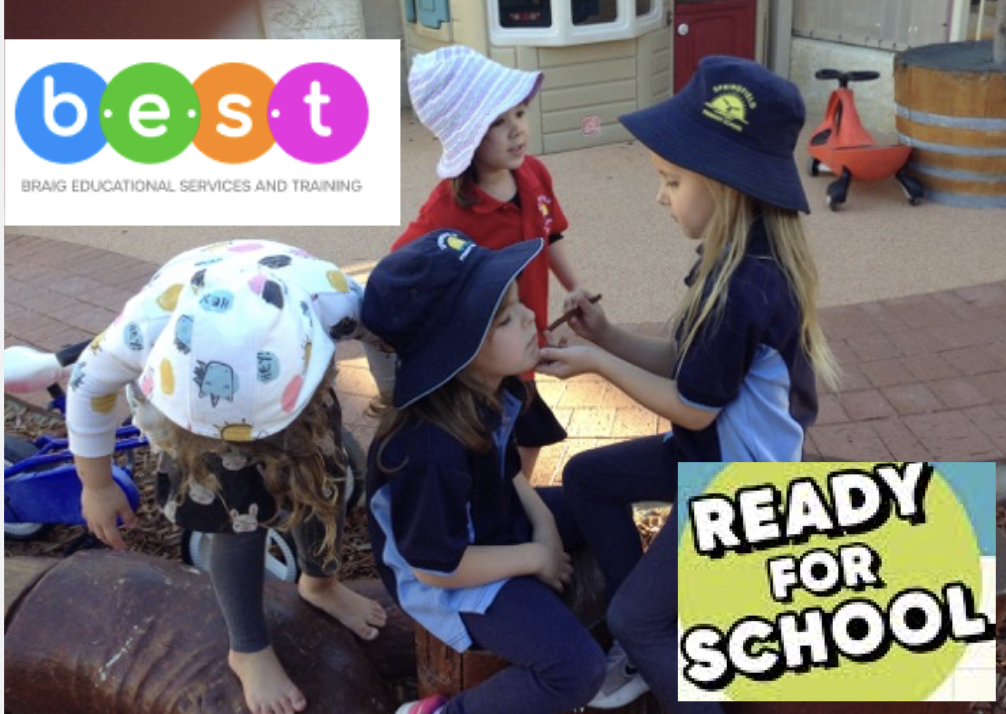
How Childcare Gets Children Ready for Transition to Big School

Starting “big school” is one of the most profound transitions in a child’s early life — a moment filled with excitement, uncertainty, and enormous growth. It is also one of the most meaningful responsibilities we hold as early childhood professionals. Long before a child walks through a school gate for the first time, their sense of confidence, belonging, and readiness has been shaped by the relationships, routines, and experiences they have known in early learning.

In Western Australia, true school readiness is not about worksheets, early academics, or asking children to grow up too fast. It is about nurturing secure, capable, and curious learners who feel emotionally safe, confident in themselves, and ready to engage with the world around them. When children feel supported and understood, they are far more prepared to embrace change and new challenges.

Early learning services play a critical role in this transition — whether children attend Kindergarten at a school or remain in long day care — by intentionally embedding foundational skills through play, strong relationships, and everyday routines. These experiences, built steadily over time, create the foundations for lifelong learning.

This article explains how schooling works in Western Australia, what Kindergarten and Pre-Primary actually mean for families, and how services can intentionally program for school readiness while demonstrating genuine, Exceeding-level practice under the National Quality Standard.

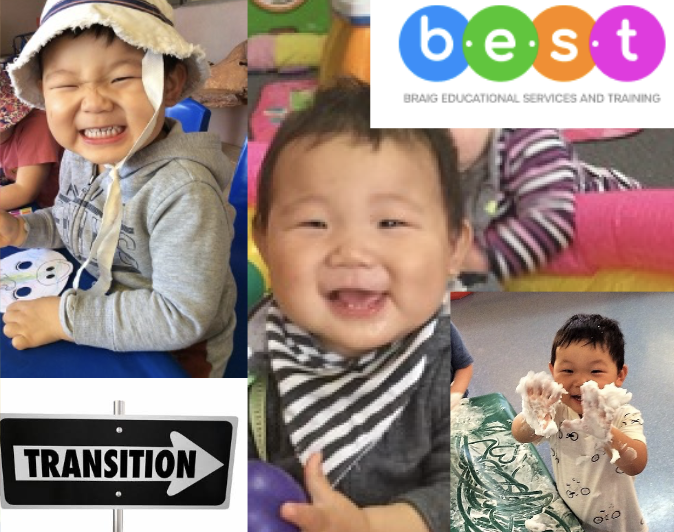
How Childcare Supports Children to Transition to the Next Room 

Transitions within early childhood education are not small moments — they are defining ones. For a young child, moving to a new room represents growth, change, and a shift in relationships that can feel both exciting and uncertain. How these moments are experienced shapes a child’s sense of belonging, confidence, and trust in learning environments.

For young children, changing rooms means new educators, new peers, new expectations, and new routines. It is exciting — and it can also feel uncertain. How educators hold this transition can shape a child’s confidence, sense of belonging, and trust in learning spaces for years to come.

High-quality early learning services approach room transitions with intention, respect, and heart — recognising that every transition is both a learning opportunity and an emotional experience.

Room transitions and “graduations” are not simply operational decisions — they are deeply emotional and developmental experiences for young children. When transition practices are intentionally embedded within the educational program, children are more likely to feel secure, valued, and supported as they move into the next stage of their learning journey. Thoughtfully planned transitions honour children’s relationships, celebrate growth, and strengthen partnerships with families, reflecting high-quality, child-centred practice in early childhood education and care.

Welcoming Children Back to Childcare After the Christmas Break

The return to childcare after the Christmas and New Year break can be a tender, emotional, and sometimes unpredictable time—for children, families and educators. For many children, returning to childcare after the Christmas break can feel overwhelming. Routines have changed, family time has been intense or comforting, expectations feel unfamiliar again, and emotions can sit close to the surface. Some children return full of stories and excitement, while others return quietly, missing home, siblings, or the slower pace of the holidays.

At BEST Childcare Consulting, we believe January is not about rushing children back into structure, productivity, or “normal.” It is about reconnection.

This is a time to soften expectations, slow the pace, and prioritise what matters most — emotional safety, belonging, joy, and relationships. When children feel safe, seen, and regulated, learning naturally follows.

This article and accompanying QIP write-up reflect a conscious decision to treat January as a leisure-inspired, relationship-centred month, supporting children’s social and emotional wellbeing while also protecting educator wellbeing during a high-emotion transition period.