
Tag Archives: exceeding the national quality standards

A Cup of Kindness: Bringing Families, Culture & Care Together

There is something deeply comforting about a shared cup of tea. It invites us to slow down, to sit together, to notice one another. In a world that often feels rushed, these small, quiet moments become the ones that matter most.

For children, these experiences are not about the drink itself—they are about connection. They are about feeling seen as they pour for a friend, proud as they help prepare food, and valued as they sit alongside others in a shared space. These are the moments where empathy begins, where relationships deepen, and where a sense of belonging truly grows.

On May 21st, International Tea Day and Australia’s Biggest Morning Tea gently come together to offer something more than just an activity—they offer an opportunity. An opportunity to teach children about caring for others, to honour the many ways families and cultures connect, and to show what it means to be part of a community that supports one another.

In these simple acts—pouring, sharing, gathering—we are not just creating experiences. We are shaping values that children will carry with them long beyond their early years.
Embedding Road Safety Excellence: A SDERA-Informed Approach for National Road Safety Week

There is something deeply powerful about holding a child’s hand as you walk beside a road. In that simple moment, you are not just guiding their steps—you are shaping their understanding of safety, trust, and care. During National Road Safety Week (17th–24th May), we pause to remember the lives lost and the families forever changed by road trauma. But for those of us working with young children, this week also calls us to something more—an everyday commitment to protecting, teaching, and modelling safe choices.

Children rely on us completely. They watch how we cross the road, how we respond to risk, and how seriously we take their safety. These early experiences become the foundation for lifelong habits. When we slow down, hold hands, use safety language, and stay present, we are sending a powerful message: your life matters.

This week is not just about awareness—it is about action, reflection, and responsibility. It is about embedding road safety into the heart of our practice, working in partnership with families, and ensuring that every child in our care grows up with the knowledge, confidence, and support to stay safe.

National Families Week 2026: Moving from Celebration to Exceeding Practice

There is something deeply powerful about recognising the people who shape a child’s world. Families—however they look, however they are formed—are a child’s first place of belonging, identity, and connection. They hold stories, culture, comfort, and love.

National Families Week and the International Day of Families offer more than a moment of celebration—they invite us to slow down and truly see the families within our service community. To listen more intentionally. To include more meaningfully. To reflect on whether every family feels recognised, respected, and valued—not just during this week, but in every interaction, every conversation, and every decision we make.

The theme “Every Family, Everywhere” reminds us that no two families are the same—and that is something to be honoured, not simplified. When we genuinely partner with families, when we welcome their voices into our programs, and when we build strong connections between home, service, and community, we create something far greater than a program—we create a shared space where children can truly thrive.

Grounded in the United Nations Convention on the Rights of the Child and the EYLF v2.0, this week becomes a catalyst—not just for celebration, but for meaningful, lasting change in practice.

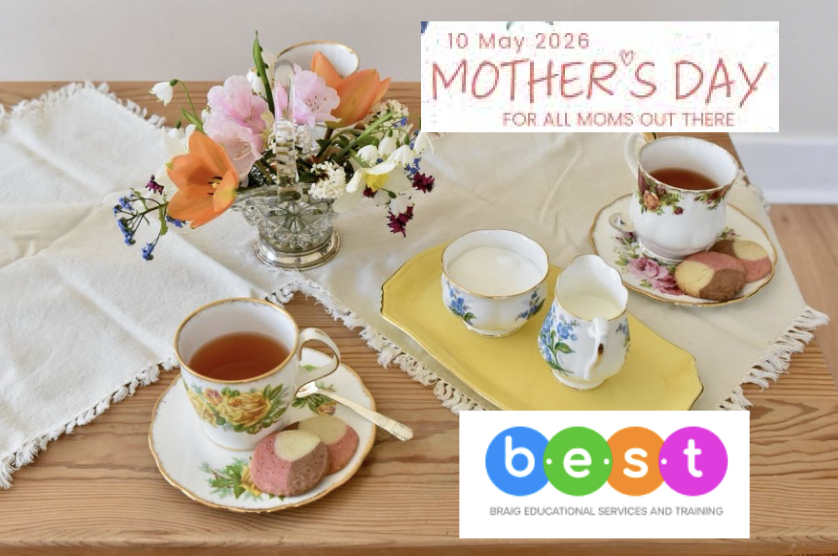
More Than a Gift: Honouring Families Through Mother’s Day in Early Childhood Education

Mother’s Day in early childhood education is never just about a handmade card or a painted pot. It is about connection. It is about identity. It is about recognising the deep, meaningful relationships that shape a child’s world.

For some children, “Mum” is the person who gave birth to them. For others, it may be a grandmother, an aunty, a foster carer, two mums, a dad who takes on both roles, or another significant adult who provides love, safety and belonging. When we celebrate Mother’s Day in early childhood settings, we are not simply acknowledging a title—we are honouring care, attachment, and the people who nurture children every single day.

These celebrations, when approached thoughtfully, become powerful opportunities to embed belonging, respect diversity, and strengthen partnerships with families. They also allow children to express gratitude in ways that are developmentally appropriate, meaningful, and joyful.

Breathe Easy, Learn Strong: Supporting Children Through World Asthma Day

There is something deeply powerful about a child taking a calm, steady breath—feeling safe, settled, and ready to explore their world. For children living with asthma, that simple moment can sometimes feel uncertain. It relies on the adults around them being prepared, responsive, and understanding.

World Asthma Day (5th May) invites us to pause and reflect on how we support every child’s right to feel safe in their body. In our early childhood settings, asthma is more than a medical condition—it is part of a child’s daily experience, their routines, their confidence, and sometimes their worries. For some children, it means carrying a puffer. For others, it means watching a friend need help to breathe.

As educators, we are in a unique position. We are the calm in the moment, the reassurance in uncertainty, and the voice that helps children understand that their bodies are important, capable, and supported. When we approach asthma awareness with empathy and intention, we create environments where children don’t feel different—they feel safe, included, and cared for.

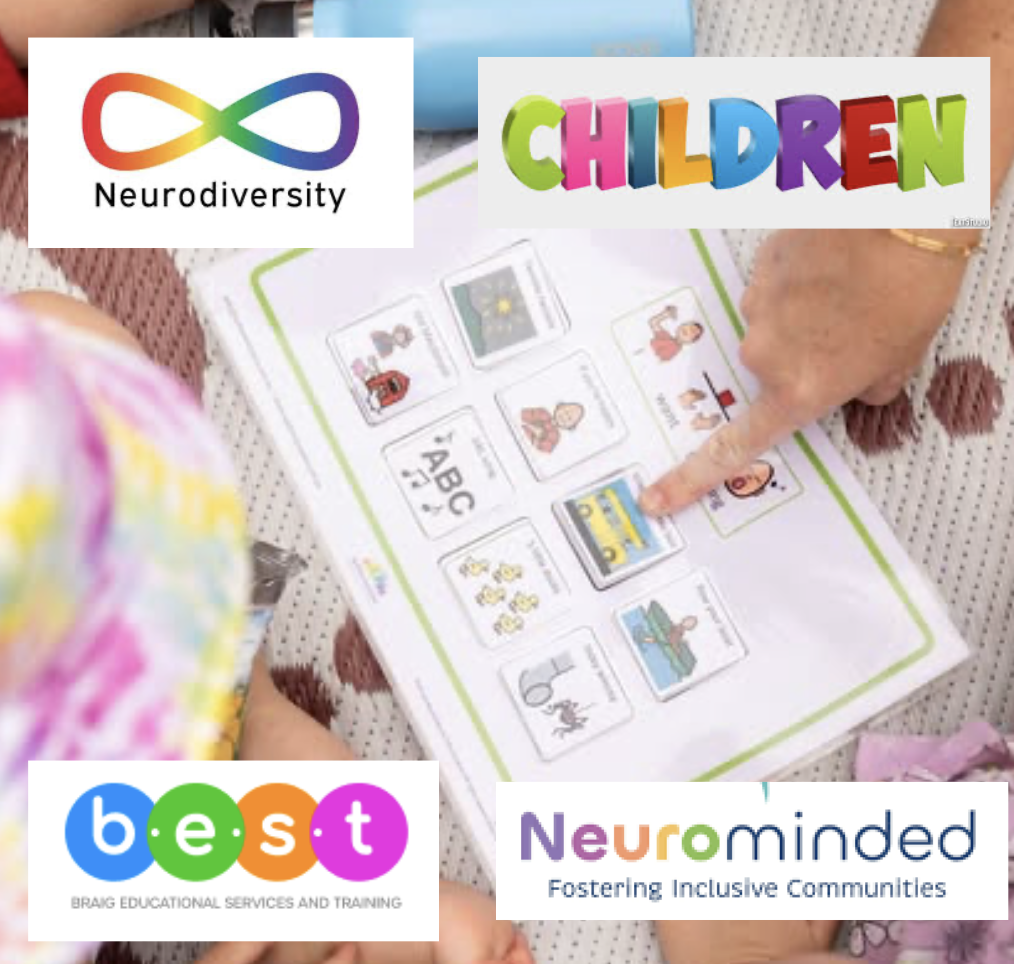
Every Child, Their Own Way: Supporting Neurodiverse Children in Early Childhood Education 

After recently connecting with the team at Neurominded, I was reminded of the importance of truly understanding the lived experiences of neurodiverse individuals. Their insights reinforced that inclusion is not simply about strategies or checklists, but about a shift in mindset—one grounded in respect, curiosity, and a willingness to see each child for who they are. It was a powerful reminder that the way we interpret and respond to children’s behaviour shapes their sense of belonging and identity.

Supporting autistic children in early childhood education calls for a thoughtful, compassionate approach that honours difference rather than trying to change it. When we adopt a neurodiversity-affirming lens, we begin to see behaviour as communication, and environments as something we can intentionally shape to better support each child. By creating spaces that are predictable, responsive, and inclusive, we give children the opportunity to feel safe, understood, and confident to engage with the world in their own unique way.

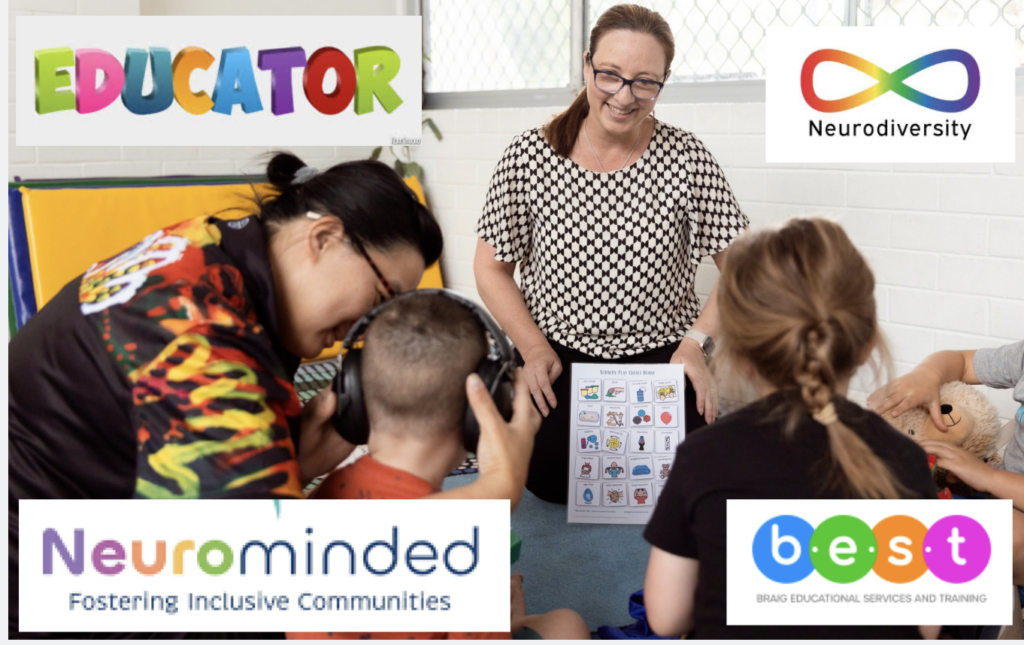
Creating Inclusive Workplaces in Early Childhood Education: Supporting Neurodiverse Educators

Recently, I had the opportunity to spend time with the team at Neurominded, and it was a genuinely meaningful experience. Their depth of knowledge, combined with the way they centre respect, understanding, and practical support for neurodiverse individuals, offered valuable insight into how we can do better as a sector. It prompted reflection not just on how we support children, but on how we show up for one another as educators.

Creating truly inclusive early childhood environments means recognising that educators themselves are neurodiverse, and that this diversity strengthens our teams. A neurodiversity-affirming approach invites us to move beyond one-size-fits-all expectations and instead build workplaces that are flexible, supportive, and grounded in genuine understanding. When educators feel seen, valued, and supported to work in ways that align with their strengths, this has a profound impact—not only on their own wellbeing, but on the quality of care, connection, and learning we provide for children.

ANZAC Day in Early Childhood: Meaningful, Respectful and Developmentally Appropriate Practice

ANZAC Day holds a special place in the story of Australia, and within early childhood it offers a gentle, meaningful way to begin introducing children to the idea of community, remembrance and care for others. While young children are far too little to understand war, they are deeply capable of understanding human connection — of noticing kindness, recognising fairness, and feeling what it means to belong. It is through these simple, everyday experiences that ANZAC Day finds its place in early learning.

In our classrooms, ANZAC Day is not about history lessons or complex explanations. It is about creating space for children to explore what it means to help others, to be a good friend, and to be part of something bigger than themselves. It is about the quiet moments — placing a poppy, sharing a story, or sitting together in reflection — that allow children to begin forming an early sense of respect and empathy.

When approached with care, intention and sensitivity, ANZAC Day becomes more than a commemorative event. It becomes an opportunity to nurture children’s developing identity and connection to their world, while honouring the values that continue to shape our communities today.

Immunisation Matters: Embedding Immunisation Awareness into Exceeding Practice

In the early years, health is not something children learn about through facts—it is something they experience through care, connection and trust. Every time a child washes their hands, rests when they are tired, or seeks comfort from a familiar educator, they are building an understanding of what it means to feel safe, supported and well.

World Immunisation Week gently reminds us of the invisible ways we protect children every day. While vaccinations themselves sit beyond the daily practice of early learning settings, the values behind them—protection, prevention, and collective responsibility—are deeply embedded in what we do.

As educators, we are not teaching children about illness—we are teaching them about care.
Care for their bodies. Care for others. Care for their community.

Through simple, meaningful conversations and experiences, we help children begin to understand:

“My body is important.”

“There are people who help keep me safe and healthy.”

“We can look after each other.”

These understandings form the foundation of lifelong wellbeing, resilience and belonging. This week is not about adding something extra to your program—it is about recognising that

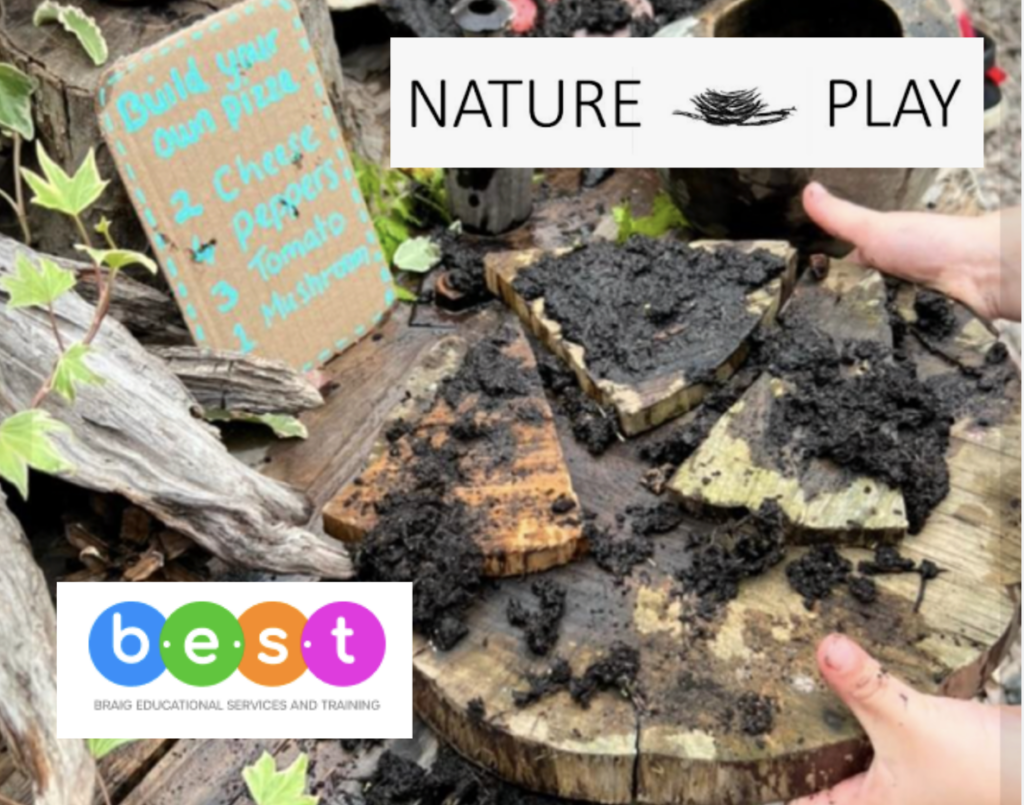
Nature Play as Pedagogy: Embedding Nature Play into Everyday Practice

There is something deeply human about watching a child connect with nature. It is in the quiet moments—small hands digging into soil, eyes lighting up at the discovery of a bug, the careful balance along a log—that we see children exactly as they are meant to be: curious, capable, and completely engaged in their world.

Nature Play Week is not simply a themed event on the calendar. It is a powerful reminder of what childhood should feel like. In a time where routines can become rushed and environments increasingly structured, nature offers something irreplaceable—freedom, wonder, and the space to just be. It invites children to slow down, to take risks, to problem-solve, and to develop a genuine connection to the world around them.

For educators, this is where our role becomes most meaningful. Nature play challenges us to step back, to trust children, and to move beyond pre-planned outcomes. It calls us to observe more closely, listen more deeply, and respond with intention. It is in these moments that the richest learning occurs—not because it was planned, but because it was lived.

Importantly, nature play is not about creating perfect outdoor setups or aesthetically pleasing experiences. It is about authenticity. It is about mud, unpredictability, and real discovery. It is about giving children the time and permission to explore, to fail, to try again, and to succeed in ways that truly matter to them.

When we embed nature play into our everyday practice, we are doing far more than meeting frameworks or ticking boxes. We are supporting children to build resilience, develop confidence, and form a strong sense of identity and belonging. We are shaping children who feel connected—to themselves, to others, and to the environment they will one day care for.

This is the heart of quality practice. This is what exceeding truly looks like.