Each year in September, early childhood services have the opportunity to join the global celebration of the International Week of Deaf People. In 2025, the theme “No Human Rights Without Sign Language Rights” reminds us that communication is a fundamental right for every child. Embedding Auslan (Australian Sign Language) in early learning is not only inclusive practice — it is also a powerful way to demonstrate Exceeding quality across multiple areas of the National Quality Standard. From supporting early communication and wellbeing, to strengthening relationships, inclusion, and community partnerships, Auslan offers meaningful ways to bring the Exceeding themes of embedded practice, critical reflection, and meaningful engagement to life in your service.
Tag Archives: exceeding the national quality standards
Childcare Compliance
Federal Government’s new powers to suspend or cut funding for providers that fail to meet required standards

The Australian Federal Government has taken a major step to strengthen safety and quality across the early childhood education and care (ECEC) sector. Under new legislation, the Department of Education now has expanded powers to suspend, impose conditions, or even cut Child Care Subsidy (CCS) funding for providers that fail to meet required standards.
This change is designed to ensure that every child receives education and care in a safe, high-quality environment — and that families can have confidence in the services they choose. For providers, it signals a clear expectation: compliance with the National Quality Framework (NQF) and Family Assistance Law is non-negotiable, and services must be able to demonstrate ongoing commitment to safety, governance, and continuous improvement.
Staying ahead of these changes is not just about avoiding penalties — it’s about protecting children, safeguarding your service’s reputation, and showing families that your organisation leads with integrity and quality.
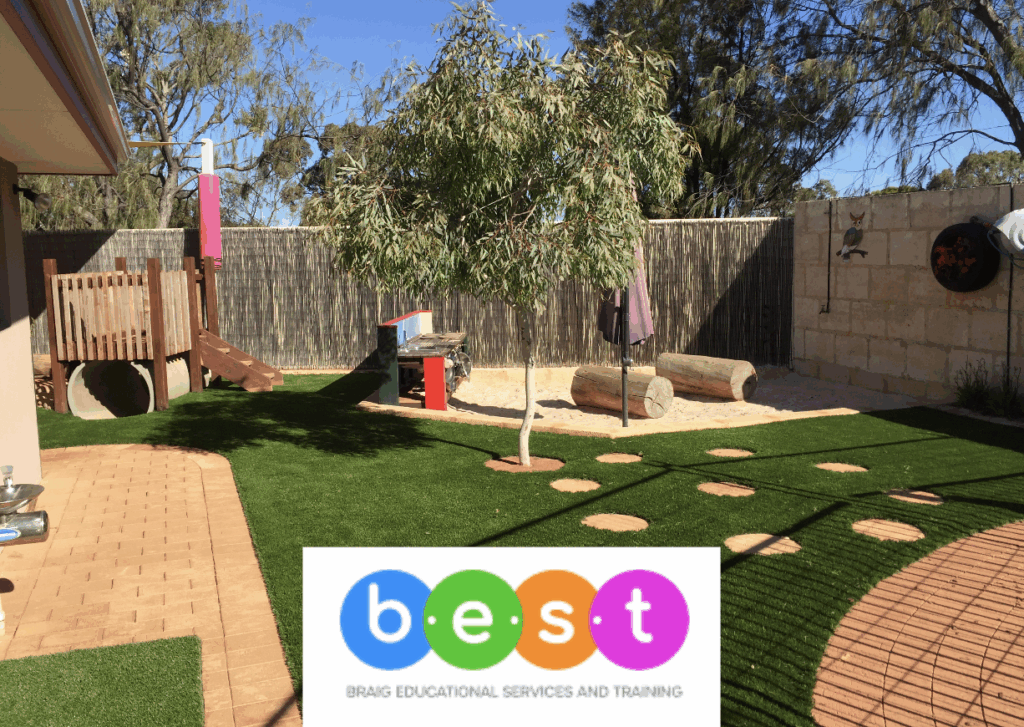
The environments we create for children under five are not simply “backdrops” for play—they are active participants in children’s learning journeys. The Early Years Learning Framework (EYLF) reminds us that children learn best in spaces that foster belonging, encourage exploration, and inspire curiosity. When thoughtfully designed, both indoor classrooms and outdoor playgrounds become places where imagination thrives and learning comes alive. Could your play space do with an upgrade?
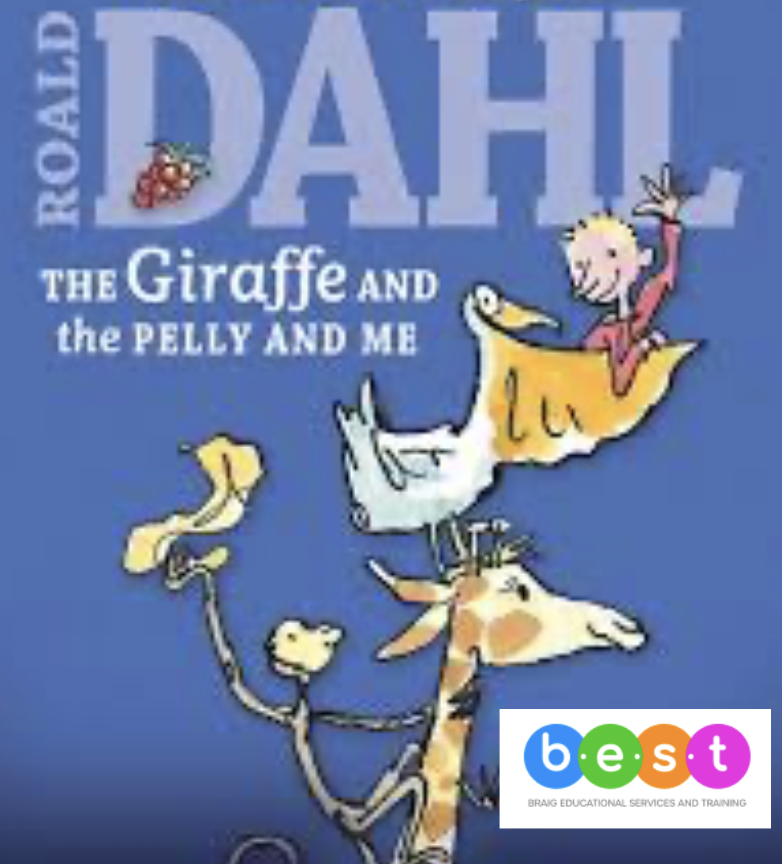
Achieving an Exceeding Rating with Roald Dahl Day Activities
Roald Dahl Day (13 September) can be celebrated in early childhood settings in ways that nurture imagination, play, and early literacy. With thoughtful planning, these activities can provide rich evidence for Exceeding practice across the National Quality Standard (NQS).
Top Tip, best Roald Dahl book for younger children
The Giraffe and the Pelly and Me is widely recognised as the most suitable Roald Dahl story for very young children. It is light, humorous, non-scary, and filled with opportunities for role play and imaginative storytelling.
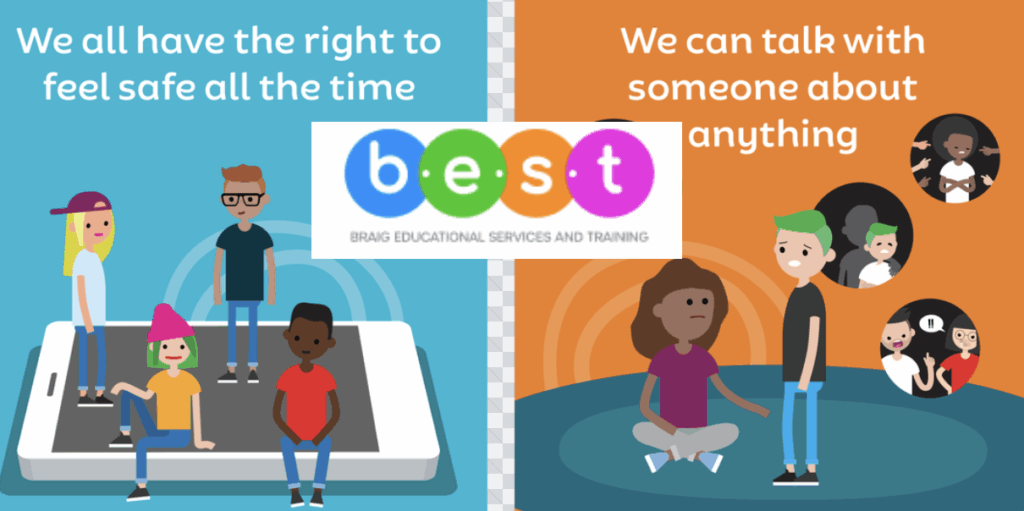
Protective Behaviours elevates child-safety from being adult-controlled and policy-driven to being child-empowered, embedded in daily practice, critically reflected on, and meaningfully shared with families and community. That’s what moves a service from Meeting into Exceeding. Protective Behaviours (PB) gives your service a shared safety language children can use every day (“I have a right to feel safe,” “helping-hand network,” “early warning signs”). PB West’s programs translate that language into consistent practice, coaching, and family engagement—exactly what assessors look for in Exceeding evidence.
September 2025 brings important updates for childcare services, with new regulations and guidance now in effect. Key documents from ACECQA, ECRU, and the WA Department of Communities provide the tools services need to stay compliant and strengthen child safety practices.
Quick Checklist – What You Should Have Saved/downloaded
o ACECQA Information Sheet (Sept 2025)
o NQF Child Safe Culture Guide
o NQF Online Safety Guide
o National Model Code on Digital Technology & Images
o Current Guide to the NQF
o ECRU Compliance Bulletins (WA)
o ECRU Legislation Updates (WA)
o ECRU Monitoring & Spot Check Guidance (WA)
o WA Dept. of Communities – Mandatory Reporting of Child Sexual Abuse resources & training
Exceeding the NQS BEST tips
Promoting the 2025 National Child Protection Week Theme “Every Conversation Matters” and Achieving an Exceeding Rating
In 2025, the importance of embedding child protection into early childhood education has never been more vital. With growing awareness of children’s rights, safety, and wellbeing, early learning services play a critical role in creating environments where every child feels safe, heard, and empowered. National Child Protection Week, with the theme “Every Conversation Matters,” offers a timely and powerful opportunity for educators to foster protective behaviours, build trust, and teach children the language of safety from their earliest years. By integrating these messages into everyday practice, services not only exceed their obligations under the National Quality Standard—they also contribute meaningfully to a culture of prevention, advocacy, and genuine care for every child in their community.
Childcare Compliance
National Model Code: Taking Images and Videos in Early Childhood Education and Care is now Mandatory
The Model Code used to be voluntary best practice (2024) but has now become mandatory from 1 September 2025 under the NQF regulations.
From 1 September 2025, the Safe Use of Digital Technologies and Online Environments Policy Guidelines will officially require services to align with the National Model Code under NQF Regulations (e.g., Regs 168–170) All approved providers must implement the additional requirements covering the restricted use of personal devices by Friday 26 September 2025.
Adherence to the National Model Code and its record-keeping components not only ensures legal alignment but fundamentally safeguards children’s privacy, dignity, and safety. Restricting device use, securing consent, and maintaining strict data protocols build trust with families and uphold the rights of every child. As regulatory reforms unfold, early implementation positions services at the forefront of child-safe practice.
From 1 September 2025 and 1 January 2026, new reforms will come into effect that strengthen expectations around proactive child safety, leadership accountability, and the safe use of digital technologies. Understanding these changes is not optional—it is essential. By preparing now, you can help ensure our service moves beyond minimum compliance to show a genuine, whole-team commitment to child safety—something that sits at the heart of quality practice and professionalism in early educationThese changes come from the Review of Child Safety Arrangements under the NQF, released by ACECQA in December 2023. To support you, ACECQA has developed two new guides: the NQF Child Safe Culture Guide, focused on embedding child-safe practice in everything we do, and the NQF Online Safety Guide, which helps services manage risks and build safe digital environments for children. Updates will also be made to core reference materials, including the Guide to the NQF, so our everyday practice, policies, and reflections are aligned.
Exceeding the NQS BEST tips
Celebrating Father’s Day in Early Childhood Education: Inclusion, Learning, and Exceeding Practice

Father’s Day is more than a calendar event—it is an opportunity in early childhood education to foster belonging, build community, and recognise the special people who play significant roles in children’s lives. When celebrated thoughtfully, it becomes a rich learning experience that can even demonstrate exceeding practice in your service. It is still entirely appropriate to celebrate Father’s Day in childcare when approached with care and inclusivity. The focus should be on honouring the important people in each child’s life—whether that is a dad, grandparent, stepdad, foster carer, or another special figure—while ensuring every child feels represented and respected. By using inclusive language, offering alternatives, and engaging families, services can transform Father’s Day into a celebration of belonging, diversity, and connection.