Tag Archives: childcare safety

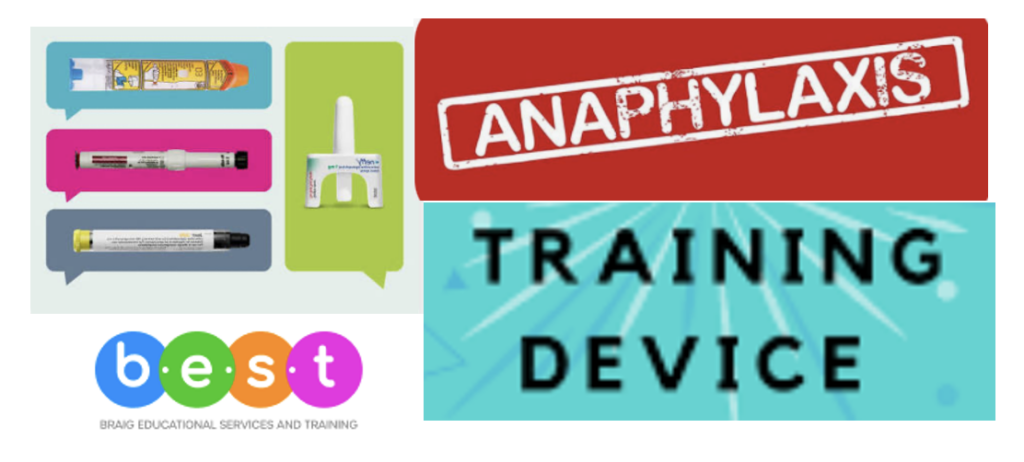
A Guide to Anaphylaxis Training for Early Childhood Educators

Every educator hopes they will never have to respond to a child experiencing anaphylaxis. Yet if that moment comes, there is no time to hesitate. A child’s life may depend on calm thinking, confident action and educators who know exactly what to do.

While policies, medical management plans and ASCIA Action Plans are essential, they are only part of the picture. Educators also need current knowledge, practical skills and regular opportunities to build confidence through ongoing training and practice.

This article focuses exclusively on anaphylaxis training for early childhood education and care services. It explains the approved training pathways recognised by ACECQA, the difference between mandatory qualifications and best practice professional learning, and where services can access official refresher training and trainer devices for EpiPen®, Anapen®, Jext® and neffy®. With these resources, services can confidently implement the nationally recommended six-monthly practical refresher sessions and help ensure every educator is prepared to respond when it matters most.


Promoting eSafety in Early Childhood Education to Earn Exceeding Rating

In today’s connected world, even our youngest children are growing up surrounded by digital devices, streaming content, and interactive toys. For children under five, technology can open doors to creativity, connection, and discovery — but only when guided by safe, respectful, and intentional practices.

As educators, we hold a powerful role in shaping children’s early experiences with technology. By modelling balanced, mindful, and secure digital use, we help children build lifelong habits of safety, kindness, and confidence online. The eSafety Commissioner’s Early Years program is an invaluable national resource supporting this journey (www.esafety.gov.au).

For services striving for an Exceeding rating under the National Quality Framework (NQF), embedding proactive and reflective online-safety practices is not only a compliance measure — it’s a statement of care, leadership, and excellence. When we nurture digital wellbeing alongside emotional, physical, and cultural safety, we empower children to explore their world — both online and offline — with curiosity and confidence.