Tag Archives: Quality Area 2

NEW National Best Practice Guide for Early Childhood Food Environments – Released 22 September 2026: What Childcare Services Need to Know

Developed by Edith Cowan University, this FREE national guide goes well beyond healthy eating and encouraging children to eat fruit and vegetables. It explores how mealtimes influence children’s emotional wellbeing, independence, relationships, cultural identity, inclusion and learning.

Why is this guide particularly important?

ECRU was involved in its development, and the guide includes dedicated information for regulatory and quality staff.

It connects with the National Quality Standard and EYLF, making it relevant to Assessment and Rating, critical reflection and quality improvement.

It contains six comprehensive modules and guidance for eight professional groups, including educators, cooks, directors and approved providers.

It provides FREE posters, family factsheets and practical professional development resources.

It is also relevant to educator training as the sector reviews and updates Certificate III and Diploma qualifications.

Importantly, this is not another regulation or compliance requirement. It is an evidence-informed resource that can help services understand and strengthen the quality of their everyday practices.

BEST encourages every childcare service to explore this guide and share it with their team. Even small changes to the language educators use around food and how they support children during mealtimes can make a meaningful difference.

Our latest BEST article explains what the guide contains, why ECRU’s involvement matters, how it complements existing resources such as Staying Healthy and Get Up & Grow, and practical starting points for different staff members.
Global Handwashing Day 2026: Be a Handwashing Hero! – Hand Hygiene Is Child Safety in Early Childhood

A child’s hand reaches for ours for so many reasons—for reassurance, for help climbing a step, to show us something exciting they have discovered, or simply to hold ours when they are uncertain. Those same little hands spend their days exploring the world around them: digging in sand, creating with paint, touching toys, cuddling friends, eating, wiping noses, investigating nature and discovering everything childhood has to offer.

Keeping those hands clean may seem like one of the simplest routines in early childhood education and care, but it is also one of the most important. Every time an educator helps a baby wash their hands, reminds a toddler to use soap, supports a preschool child to understand how germs spread or models good hygiene themselves, they are doing more than teaching a healthy habit. They are helping protect a child.

This Global Handwashing Day, 15 October 2026, BEST encourages early childhood education and care services to look at hand hygiene through a broader lens: hand hygiene is child safety.

National Child Protection Week 2026: Every Conversation Matters – Turning Child Safety Conversations into Action in Early Childhood Education

There are few responsibilities more important in early childhood education and care than keeping children safe.

Every day, families place enormous trust in educators. They entrust us with the people who matter most to them—their children. With that trust comes a responsibility that extends far beyond supervision, policies and compliance. It means creating environments where children know that their feelings matter, their bodies belong to them, their voices will be heard and the adults around them will act when something is not right.

National Child Protection Week provides an important opportunity for early childhood services to reflect on what child safety really looks like in everyday practice. It is also an opportunity to ensure that child protection is not simply something discussed during one week in September, but something visible in our relationships, environments, curriculum, policies and culture every day of the year.

In 2026, National Child Protection Week is particularly powerful because it coincides with Bravehearts Day on 11 September, providing services with an opportunity to strengthen children’s personal-safety education alongside the broader responsibility adults and organisations hold for creating child-safe environments.

Most importantly, child protection must never place responsibility for preventing abuse on children. We can teach children about body autonomy, feelings, consent, trusted adults and speaking up—but adults remain responsible for protecting children. Every Child Deserves to Feel Safe, Heard and Protected

A Guide to Anaphylaxis Training for Early Childhood Educators

Every educator hopes they will never have to respond to a child experiencing anaphylaxis. Yet if that moment comes, there is no time to hesitate. A child’s life may depend on calm thinking, confident action and educators who know exactly what to do.

While policies, medical management plans and ASCIA Action Plans are essential, they are only part of the picture. Educators also need current knowledge, practical skills and regular opportunities to build confidence through ongoing training and practice.

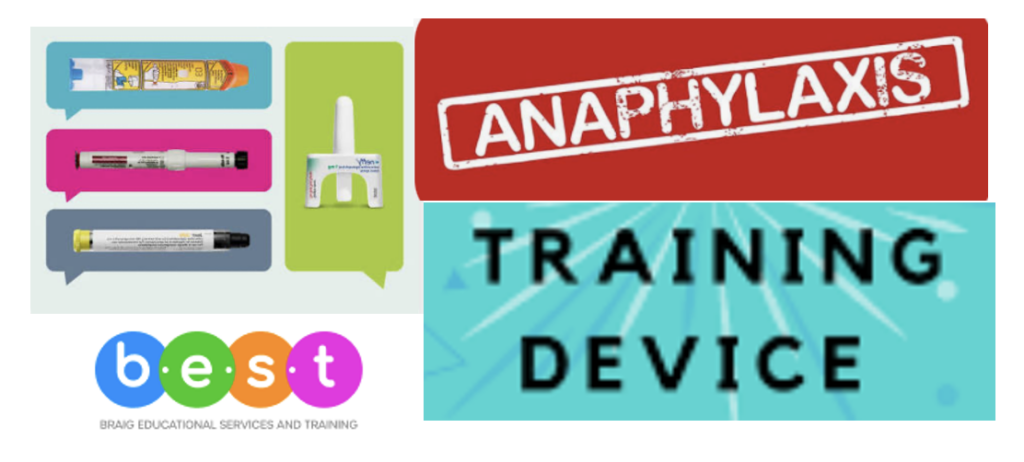
This article focuses exclusively on anaphylaxis training for early childhood education and care services. It explains the approved training pathways recognised by ACECQA, the difference between mandatory qualifications and best practice professional learning, and where services can access official refresher training and trainer devices for EpiPen®, Anapen®, Jext® and neffy®. With these resources, services can confidently implement the nationally recommended six-monthly practical refresher sessions and help ensure every educator is prepared to respond when it matters most.