Tag Archives: early childhood education

How BEST’s Articles are Crafted to Support you in your Exceeding Journey

We know how busy life can be in an early childhood service — educators balancing room routines, directors juggling paperwork, and everyone wanting to focus on what matters most: educating and caring for children and being a strong community partner. BEST articles are created with that reality in mind. Each article honours national theme weeks and their important messages, while matching them with child-led programming so children’s interests remain at the centre of learning. This approach helps services know they are truly delivering a rich educational program that nurtures values, supports identity, and grows future global citizens.

To make this easy, BEST provides everything in one place — background information, activity ideas, links to trusted resources, QIP write-up examples, and reflection prompts. Our goal is to save educators and leaders time, build confidence, and bridge the gap between ideas and evidence. Articles are released a few weeks in advance on our website and Facebook page so teams can prepare, gather resources, and create provocations that encourage deep exploration. We then follow up with reminders closer to the date and share inspiration across Facebook and Instagram throughout the week to keep engagement high.

By planning ahead and embedding these themes into everyday practice, services can create programming that is purposeful, well-resourced, and supports exceeding-level practice. BEST’s consistent language and focus on cultural integrity, critical reflection, and community partnerships help ensure your documentation is strong, your practice is inclusive, and your service is supported to be the very best it can be.
Promoting Hand Washing to earn an Exceeding Rating

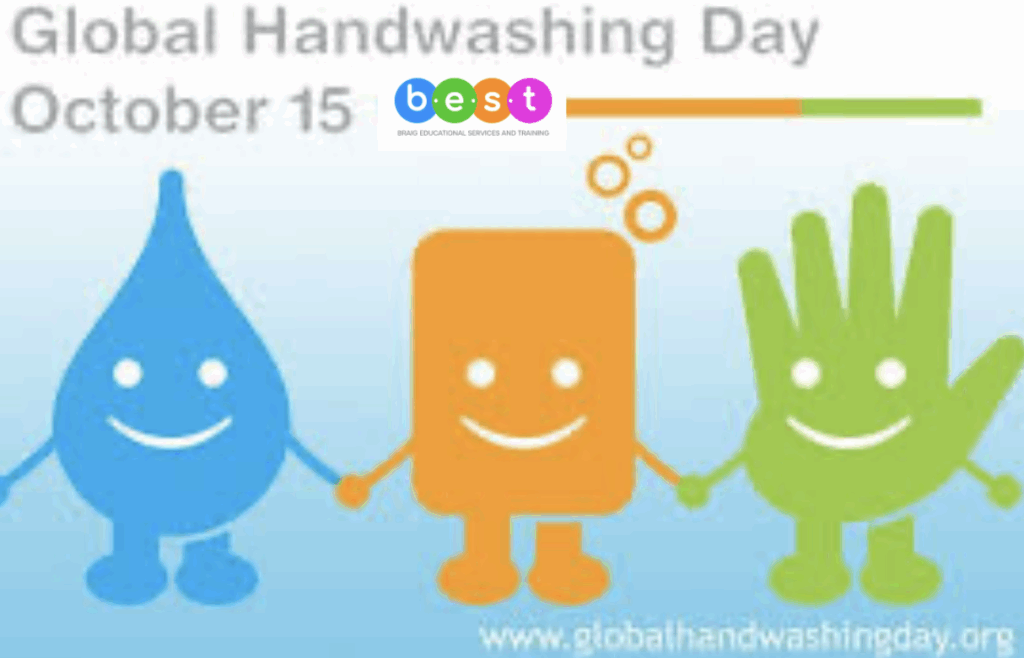
Global Handwashing Day, celebrated every year on 15 October, is an ideal opportunity for early childhood education services to highlight the importance of handwashing as a simple, powerful way to keep children healthy. Handwashing with soap and water is one of the most effective ways to prevent the spread of germs that cause illness, helping reduce absenteeism and supporting children’s overall wellbeing. In early childhood settings, where play, exploration, and shared resources are part of daily life, teaching and reinforcing proper handwashing routines empowers children to take responsibility for their own health. By celebrating this day through hands-on activities, songs, and science experiments, educators can make hygiene education fun, memorable, and embedded into daily practice — supporting compliance with the National Quality Standard and building a culture of health and safety that lasts all year.

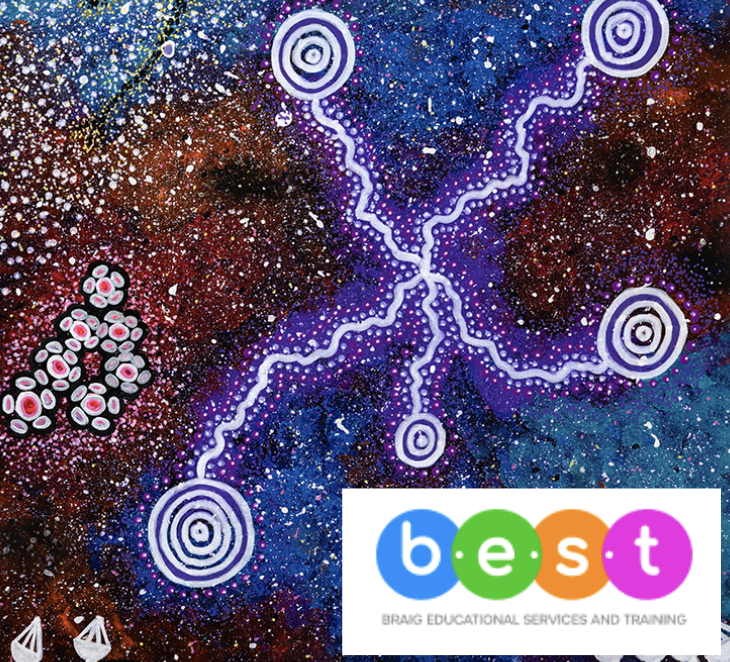
Achieving Exceeding Rating through Embedding Aboriginal and Torres Strait Perspective as world’s first Astronomers

At BEST Childcare Consulting, we know that World Space Week (4–10 October) is an incredible opportunity to ignite children’s curiosity, foster a love of STEM, and build strong connections with families and communities. Space Week is also a powerful way to embed Aboriginal and Torres Strait Islander perspectives, recognising that First Nations peoples are the world’s first astronomers. Their knowledge of the stars, moon, and seasons continues to guide navigation, food gathering, and storytelling today. Embedding these perspectives helps children develop respect for the world’s oldest continuing culture while building a sense of belonging and shared identity.

Designing Incredible Indoor Play Spaces in Early Childhood Education Services 

ndoor environments should feel welcoming, calm, and purposeful—supporting children’s sense of belonging while offering rich opportunities for exploration. A well-designed indoor play space balances flexibility with structure, ensuring areas are safe, engaging, and developmentally appropriate.

Indoor classrooms should include defined zones such as reading nooks, dramatic play, construction areas, and small group tables to support varied learning. Spaces need good flow and accessibility, with clear pathways, child-height shelving, and a balance of quiet and active areas. Incorporating natural and sensory elements like plants, light, and textures creates calm, while cultural and inclusive representationthrough displays, signage, and resources fosters belonging. Finally, flexibility and choice—with movable furniture, open-ended resources, and evolving child-led displays—ensures the environment grows with children’s interests and needs.

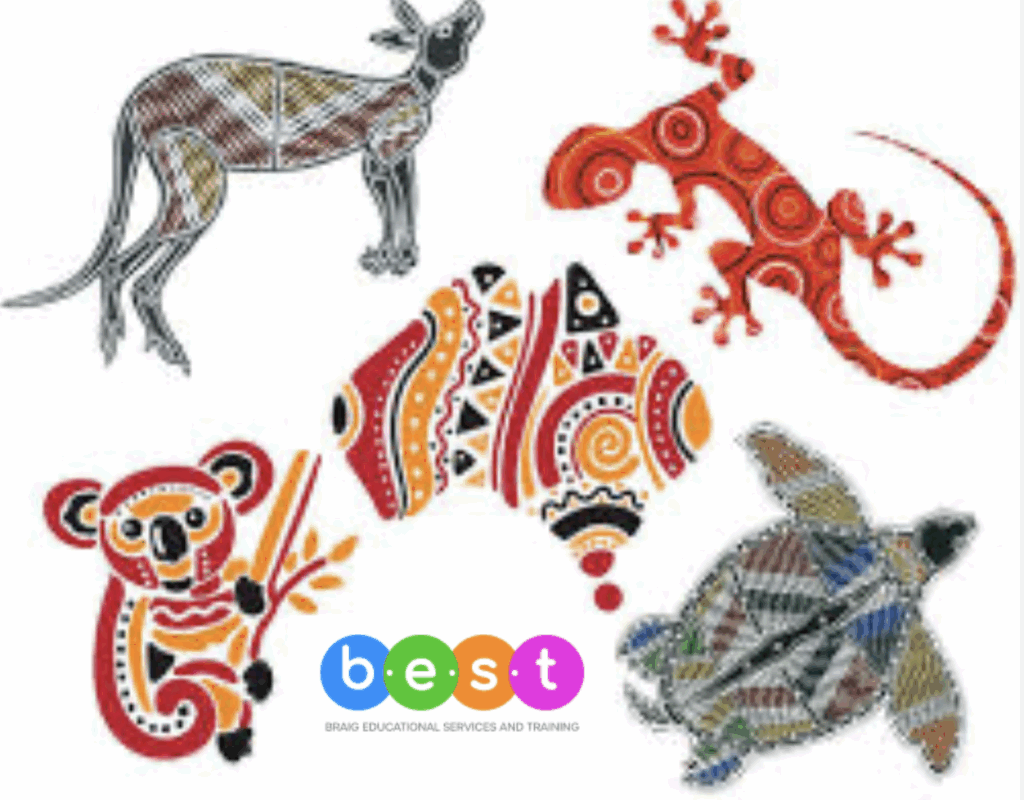
Achieving Exceeding Rating Through Aboriginal Perspectives of Australian Animals

Australian Wildlife Week from 1–6 October 2025 is a unique chance for Early Childhood Education and Care (ECEC) services to demonstrate how they embed Aboriginal and Torres Strait Islander perspectives into everyday practice. By planning Wildlife Week experiences that honour Country, engage with Traditional Custodians, and support children’s connection with nature, services can provide evidence of Exceeding practice across multiple QA areas. You can also include this theme in Save the koala day on 26 September 2025 and as part of Biodiversity month in September. 

What you need to know about the changes to ECRU spot checks 

Starting November 2025, the Federal Government will significantly step up compliance monitoring, introducing an additional 1,600 unannounced spot checks every year across early childhood education and care (ECEC) services. This forms part of the Department of Education’s Joint Action on Child Safety, aimed at ensuring every service is meeting safety, quality, and governance requirements under the National Quality Framework (NQF).

For providers, this means being “audit ready” at all times — with current policies, staff records, attendance data, and safety procedures available for immediate inspection. The Education and Care Regulatory Unit (ECRU) has released updated compliance monitoring checklists (1 September 2025) for Long Day Care, OSHC, and Family Day Care services to help you prepare.

Promoting Auslan Key Word Sign Language to earn and Exceeding rating

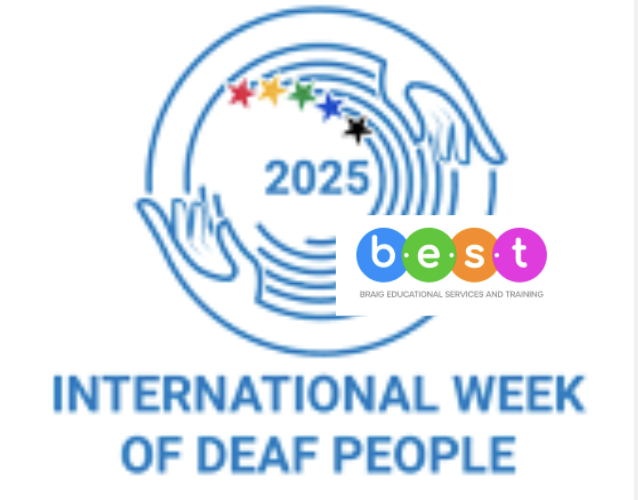
Each year in September, early childhood services have the opportunity to join the global celebration of the International Week of Deaf People. In 2025, the theme “No Human Rights Without Sign Language Rights” reminds us that communication is a fundamental right for every child. Embedding Auslan (Australian Sign Language) in early learning is not only inclusive practice — it is also a powerful way to demonstrate Exceeding quality across multiple areas of the National Quality Standard. From supporting early communication and wellbeing, to strengthening relationships, inclusion, and community partnerships, Auslan offers meaningful ways to bring the Exceeding themes of embedded practice, critical reflection, and meaningful engagement to life in your service.

Federal Government’s new powers to suspend or cut funding for providers that fail to meet required standards

The Australian Federal Government has taken a major step to strengthen safety and quality across the early childhood education and care (ECEC) sector. Under new legislation, the Department of Education now has expanded powers to suspend, impose conditions, or even cut Child Care Subsidy (CCS) funding for providers that fail to meet required standards.

This change is designed to ensure that every child receives education and care in a safe, high-quality environment — and that families can have confidence in the services they choose. For providers, it signals a clear expectation: compliance with the National Quality Framework (NQF) and Family Assistance Law is non-negotiable, and services must be able to demonstrate ongoing commitment to safety, governance, and continuous improvement.

Staying ahead of these changes is not just about avoiding penalties — it’s about protecting children, safeguarding your service’s reputation, and showing families that your organisation leads with integrity and quality.

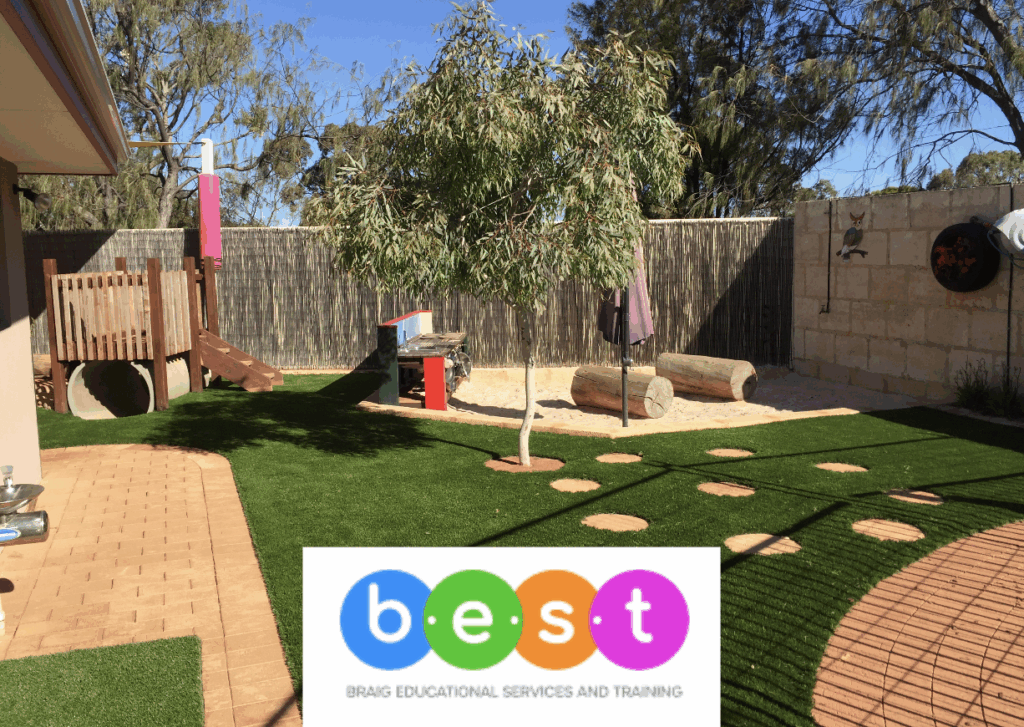
Designing Outstanding Outdoor Play Spaces for Early Childhood Education Services  

The environments we create for children under five are not simply “backdrops” for play—they are active participants in children’s learning journeys. The Early Years Learning Framework (EYLF) reminds us that children learn best in spaces that foster belonging, encourage exploration, and inspire curiosity. When thoughtfully designed, both indoor classrooms and outdoor playgrounds become places where imagination thrives and learning comes alive. Could your play space do with an upgrade?

Promoting Roald Dahl’s literary genius to Achieve an Exceeding rating  

Achieving an Exceeding Rating with Roald Dahl Day Activities 

Roald Dahl Day (13 September) can be celebrated in early childhood settings in ways that nurture imagination, play, and early literacy. With thoughtful planning, these activities can provide rich evidence for Exceeding practice across the National Quality Standard (NQS).

Top Tip, best Roald Dahl book for younger children 

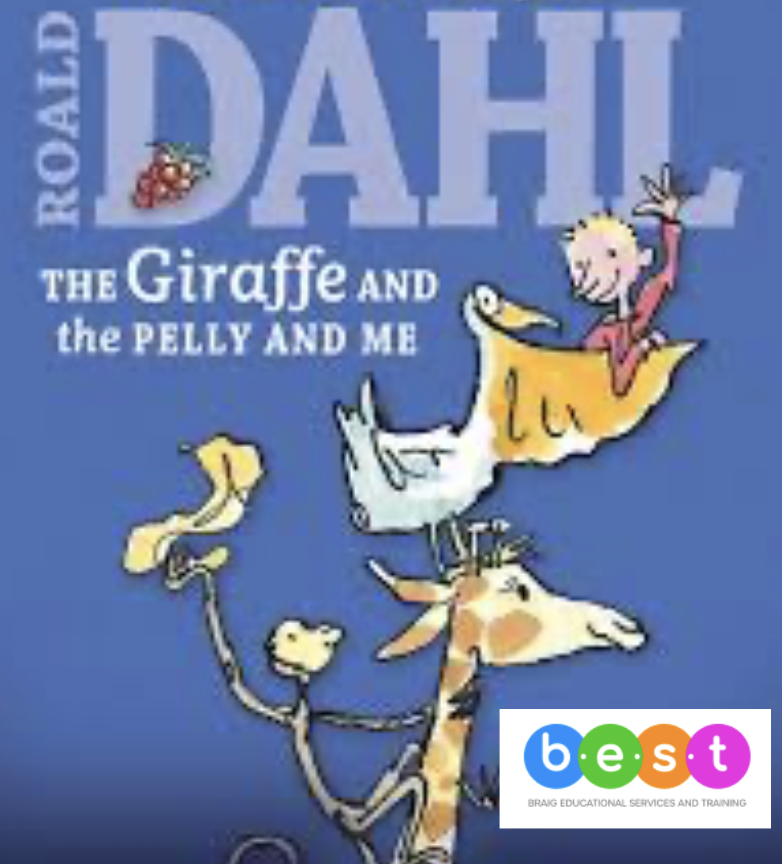
The Giraffe and the Pelly and Me is widely recognised as the most suitable Roald Dahl story for very young children. It is light, humorous, non-scary, and filled with opportunities for role play and imaginative storytelling.