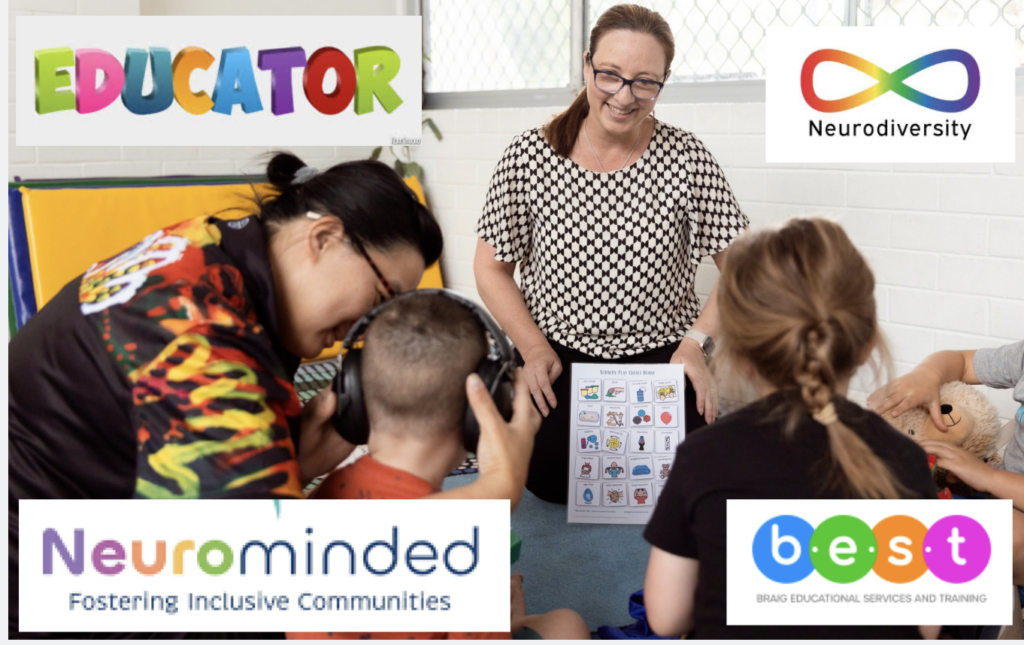
After recently connecting with the team at Neurominded, I was reminded of the importance of truly understanding the lived experiences of neurodiverse individuals. Their insights reinforced that inclusion is not simply about strategies or checklists, but about a shift in mindset—one grounded in respect, curiosity, and a willingness to see each child for who they are. It was a powerful reminder that the way we interpret and respond to children’s behaviour shapes their sense of belonging and identity.
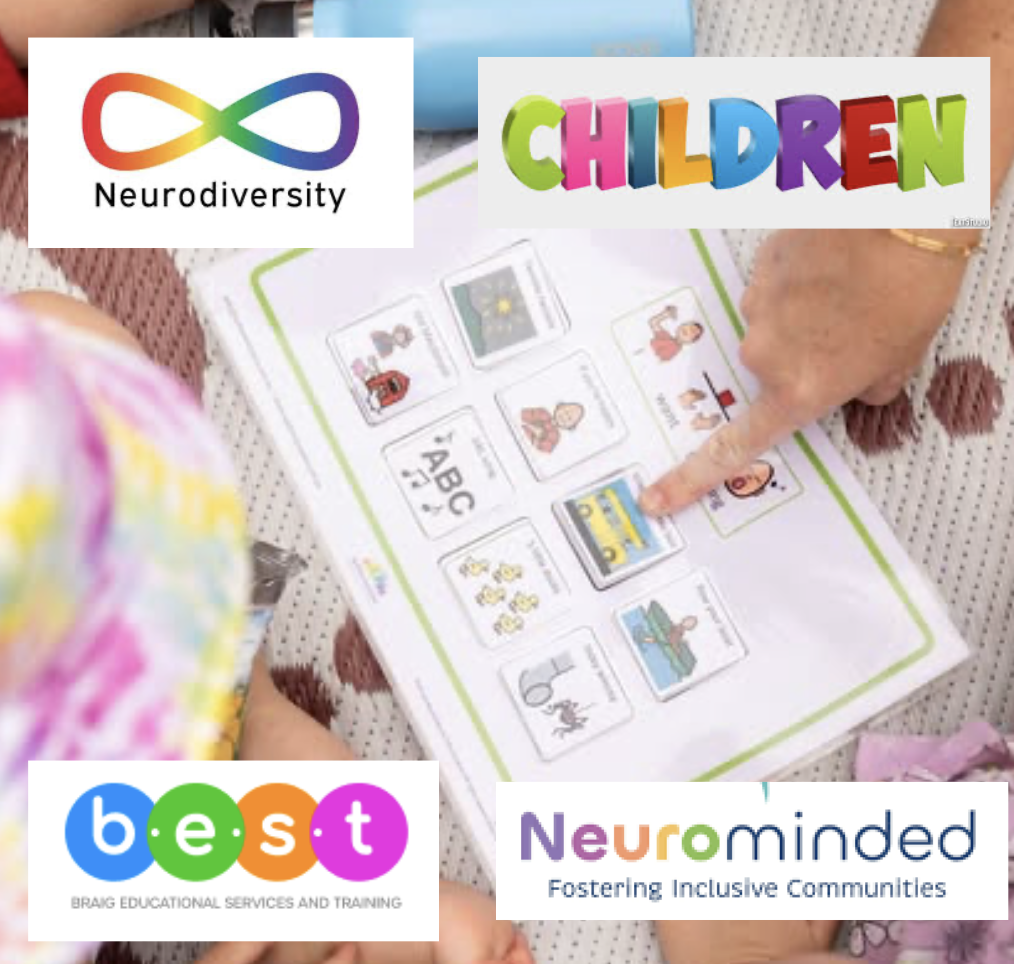
Supporting autistic children in early childhood education calls for a thoughtful, compassionate approach that honours difference rather than trying to change it. When we adopt a neurodiversity-affirming lens, we begin to see behaviour as communication, and environments as something we can intentionally shape to better support each child. By creating spaces that are predictable, responsive, and inclusive, we give children the opportunity to feel safe, understood, and confident to engage with the world in their own unique way.